
How Much Does Acoustiblok Cost?
Last Updated on January 20, 2024
Written by CPA Alec Pow | Content Reviewed by  CFA Alexander Popinker
Acoustiblok is one of the most effective soundproofing materials on the market today. With its impressive noise reduction capabilities, Acoustiblok can significantly improve acoustic insulation in buildings.
However, like most high-performing construction materials, Acoustiblok comes at a cost. This article will provide a detailed overview of Acoustiblok pricing and cost considerations for different applications.
How Much Does Acoustiblok Cost?
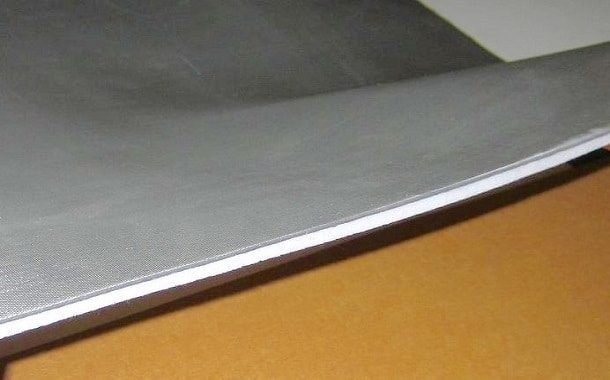
Acoustiblok is sold in panels or rolls and is available in different thicknesses. On average, Acoustiblok costs $1 to $3 per square foot. However, many factors impact the final price, including:
- Type of Acoustiblok product used
- Thickness of the Acoustiblok material
- Size of the project/total square footage required
- Extent of demolition/construction work needed
- Professional vs DIY installation
Thicker Acoustiblok panels provide more sound absorption, but also cost more. Specialized Acoustiblok products like All Weather Sound Panels for outdoor use are more expensive as well.
In general, larger projects require more time and material, driving up overall Acoustiblok installation costs. Small DIY soundproofing projects can start under $500, while professional installation for an entire building can cost tens of thousands.
Acoustiblok Cost Analysis by Application
The best way to estimate Acoustiblok costs is to look at price ranges for specific applications:
You might also like our articles about the cost of CertaPro Painters, MasterShield Gutter Guards, or the price of tile removal.
Home Theater Soundproofing
For home theaters, Acoustiblok is used to insulate walls, ceilings, and floors. Many homeowners also use Acoustiblok soundproofing panels as audio room treatment. Expect to pay:
- Wall insulation: $1.50 to $3 per sq. ft. installed
- Ceiling insulation: $1.25 to $2 per sq. ft. installed
- Floor insulation: $1 to $2 per sq. ft. installed
- Acoustic panels: $50 to $200 per panel
A 12′ x 12′ home theater could cost $2,500 to $4,000 for full Acoustiblok soundproofing.
Recording Studio Soundproofing
Professional recording studios require extensive sound isolation, with special attention to preventing noise transfer. Costs for studios include:
- Wall insulation: $3 to $6 per sq. ft. installed
- Ceiling and floor: $2 to $4 per sq. ft. installed
- Acoustic panels: $300 to $600 per panel
- Isolation booths: $4,000 to $15,000 each
High-end commercial studios spend $100,000 or more on Acoustiblok soundproofing.
Office Building Soundproofing
For offices, restaurants, and other commercial spaces, priorities are blocking exterior noise and dampening sound transfer between rooms. Budget estimates:
- Exterior wall insulation: $4 to $8 sq. ft. installed
- Interior wall insulation: $2 to $3 sq. ft. installed
- Ceiling tiles: $1 to $3 per sq. ft. installed
A 10,000 sq. ft. office building could cost $50,000 to $100,000 to soundproof with Acoustiblok.
Acoustiblok Installation Costs
The most budget-friendly option for Acoustiblok installation is doing it yourself (DIY). However, professional installation is recommended for optimal noise reduction.
DIY Acoustiblok Installation
With some handyman skills, it’s entirely possible to install Acoustiblok on your own. Benefits include:
- Lower labor costs
- More budget-friendly
- Greater control over the project
Cautions with DIY Acoustiblok installation:
- Learning curve to use materials correctly
- Increased margin of error
- Potential safety concerns
Acoustiblok DIY kits start around $500. Building supplies and rented equipment would be extra expenses.
Professional Acoustiblok Installation
Hiring professional tradespeople ensures proper installation of Acoustiblok for maximum effectiveness. Benefits include:
- Expert skills and knowledge
- Faster overall project time
- Higher quality workmanship
The costs of professional installation include:
- Acoustic consultants: $150 to $200 per hour
- General contractors: $50 to $100 per hour
- Specialized labor: $35 to $75 per hour
Professional installation also has a markup on Acoustiblok materials of 15% to 20%.
What is Acoustiblok?
Now that we’ve covered Acoustiblok pricing, let’s look briefly at what Acoustiblok is and why it’s effective for soundproofing.
Acoustiblok is a patented acoustic insulation material made from viscoelastic polymers. It is formulated to provide maximum sound dampening across a wide frequency range.
Key properties that make Acoustiblok ideal for noise blocking include:
- High sound transmission class (STC) rating of STC 67
- Excellent noise reduction coefficient (NRC) of .95
- Flexible 1/8 to 1 inch thickness range
- Durable material withstands weather and time
Acoustiblok can insulate against all types of noise, from exterior sounds like traffic to interior noises like home theaters. It is used everywhere from music venues to hotels to industrial sites.
Factors That Impact Acoustiblok Pricing
Several variables affect the final price tag for Acoustiblok soundproofing products and installation:
Material Quality and Type
- Higher density, thicker panels provide more noise blocking but cost more
- Specialty materials like weather-resistant Acoustiblok cost more
Project Size and Scope
- Larger areas require more material and longer install time
- Complex custom jobs or retrofitting existing construction is pricier
Construction Requirements
- Demolition of existing walls, floors, etc. adds to project costs
- New framing, drywall, trim, etc. increase overall budget
Acoustical Analysis and Design
- Engineering assessments, sound testing, and acoustical blueprints add professional fees
Location and Accessibility
- Difficult access for installation (high floors, limited entrances) drives up cost
- Prevailing labor rates in the region impact pricing
Choice of Installer
- Professional contractors charge more per hour than DIY
- The experience and expertise of the installer impact quality
Acoustiblok Reviews and Comparison
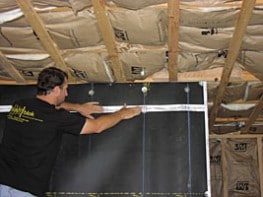 Acoustiblok is considered one of the best soundproofing solutions available. Here are some key benefits that make it stand out:
Superior Noise Blocking – With an STC rating of 67, Acoustiblok blocks more sound transmission than common insulations like fiberglass (STC 33).
Broad Frequency Range – Effective at dampening noises from 80 to 12,000 Hz, covering everything from traffic to music.
Thin yet Powerful – At just 1/8 inch thick, Acoustiblok delivers substantial noise reduction in tight spaces.
Good Fire Rating – Meets fire codes for flame spread and smoke development.
Compared to other acoustical insulations, Acoustiblok generally costs more upfront but delivers an excellent return on investment through performance, durability, and lifespan.
Expert Opinions on Using Acoustiblok
Acoustic engineers and contractors consistently recommend Acoustiblok as a top solution for soundproofing. Here are a few things the experts highlight:
“We use Acoustiblok for nearly every studio project because it outperforms any other sound barrier product we’ve found.” – John F., Audio Insulation Solutions
“The efficacy of Acoustiblok is unmatched. It’s ability to isolate airborne noise makes it the go-to recommendation for multifamily dwellings.” – Taylor S., Acoustic Design Engineer
“On cost per noise reduction performance, Acoustiblok is very competitively priced, especially for permanent installations.” – Alex W., Custom Audio Contractors
“Acoustiblok absolutely delivers on its promises for blocking sound. It’s a worthwhile investment for any project where sound control is important.” – Isabella R., Acoustical Design Consulting
Frequently Asked Questions about Acoustiblok
To further understand the costs and benefits of using Acoustiblok for soundproofing projects, here are answers to some frequently asked questions:
How long does Acoustiblok last?
Acoustiblok maintains its sound-dampening properties indefinitely. It does not degrade or compress over time like other insulations. Lifetime warranties of up to 50 years are available.
Does Acoustiblok also provide thermal insulation?
No, Acoustiblok specifically addresses noise control. It should be used alongside traditional insulation like fiberglass for thermal regulation.
Is Acoustiblok effective for blocking exterior noise?
Yes, Acoustiblok blocks up to 82% of high-frequency and low-frequency exterior noise when properly installed on walls. Effective for traffic, trains, aircraft, etc.
Can Acoustiblok be painted or covered?
Yes, Acoustiblok panels can be painted, wallpapered, or covered with drywall. The material is not affected by coating or sheathing.
Is Acoustiblok environmentally friendly?
Acoustiblok contains no VOC off-gassing and is fully recyclable. It also reduces noise pollution by dampening sound transfer to neighboring environments.
How expensive is it to completely soundproof a room?
Completely soundproofing a room is quite expensive, with costs typically ranging from $3,000 to $20,000 depending on the size of the room and the extent of soundproofing required.
The most expensive part is usually installing thick layers of acoustical insulation in all the walls, floor, and ceiling which could cost $5 to $10 per square foot of room area.
Sealing all gaps and penetrations also adds cost for caulking, gaskets, and custom fabrication. High levels of sound isolation require building a room-within-a-room on isolated mounts or clips too.
Thicker acoustic drywall, solid core doors with seals, and laminated glass windows all improve sound containment as well but increase materials and construction costs significantly.
For a professional level of soundproofing suitable for recording studios or theaters, expect at least $10,000 to $20,000 for a small to medium sized room.
How much does soundproofing floor cost?
Properly soundproofing a standard floor to block transfer of noise to rooms below costs $4 to $8 per square foot on average. Two main elements drive this cost:
1) Adding a layer of acoustic insulation between floor joists – approximately $1 to $3 per square foot material cost.
2) Installing an acoustic mat under the finished floor along with a ‘floating floor’ system to decouple it from the subfloor – around $3 to $5 per square foot installed.
Other costs may include floor coverings that enhance sound damping such as thick carpet, rubber underlayment, or cork floors. Overall, a typical 10′ x 12′ room with carpet could cost $500 to $1,000 just to soundproof the floor alone. Higher levels of sound isolation will cost more.
How much does soundproof drywall cost?
On average, soundproof drywall costs $2 to $4 per square foot installed. The material itself can range from standard 5/8″ drywall at about $0.50/sq.ft. up to 2-layer, 1″ thick acoustical drywall at around $3/sq.ft. material cost.
But specialized labor is required for proper installation to seal edges and gaps. In addition, extra costs are incurred for drywall clips/channels that decouple walls for greater sound containment.
So the professional installation of soundproof drywall averages $2 to $4 per square foot. A typical 12′ x 12′ wall area would cost $300 to $600 for soundproof drywall installation.
Conclusion
When designed and installed correctly, Acoustiblok provides unparalleled acoustic control with long-lasting performance.
Although initial costs may be higher than some alternatives, this premium soundproofing solution pays dividends across any application where noise control is critical, from home theaters to music venues to offices.
Working with qualified acoustical engineers and installers ensures you achieve the best results from your investment in Acoustiblok soundproofing.

Leave a Reply
Want to join the discussion?Feel free to contribute!