ThePricer Media
  • Latest: When Is an Electric Car Actually Cheaper?
  • Cost Guides
  • News & Investigations
  • Daily Price Puzzle (60s)
  • Methodology
  • Press & Mentions
  • Contact
  • Click to open the search input field Click to open the search input field Search
  • Menu Menu
Tech

How Much Does Cell Phone Charging Port Repair Cost?

Updated on August 4, 2026 | Written by Alec Pow
This article was researched using 9 sources. See our methodology and corrections policy.

Cell phone charging port repair typically costs $20 to $60 for professional inspection and dry debris removal, $70 to $180 for a replaceable charging-port board or flex assembly, and $120 to $300+ when microsoldering, corrosion treatment, or extensive disassembly is required.

Official manufacturer service may cost $100 to $400+, but Apple, Samsung, and Google do not publish one universal charging-port replacement price covering every model. The device usually must be inspected before the provider determines whether it needs cleaning, a modular part, board-level work, or a larger device replacement.

A phone that will not charge does not necessarily have a broken port. The cause may be a failed cable, incompatible adapter, compacted pocket lint, moisture detection, battery failure, damaged charging circuitry, or a software problem. Testing these possibilities can prevent an unnecessary $100 to $300 repair.

Article Highlights

Jump to sections
  • Does Cell Phone Charging Port Repair Cost?
  • What You Are Actually Paying For
  • Cleaning vs. Replacing the Charging Port
  • iPhone Charging Port Repair Cost
  • Samsung and Google Pixel Repair 
  • Moisture Alerts and Liquid Damage
  • Three Port Repair Scenarios
★ Prefer ThePricer on Google
  • Professional charging-port cleaning generally costs $20 to $60 (at $30 per hour, earning that amount would take about 0.7 to 2 hours of work, before taxes).
  • A modular USB-C or Lightning assembly replacement costs about $70 to $180.
  • Complex flagship repairs commonly cost $120 to $300+.
  • Liquid corrosion or board-level damage can cost $150 to $400+.
  • Manufacturer service requires a model-specific inspection and estimate.
  • Opening a phone can reduce or eliminate its original water resistance.
  • A port repair may not make financial sense when it approaches the phone’s working value.
Phone Charging Port Repair Cost

How Much Does Cell Phone Charging Port Repair Cost?

Charging service Planning price What the service may include
Basic diagnosis $0 to $50 (about 0 to 1.7 hours of work at $30 per hour) Cable, adapter, battery, port, software, and charging tests
Professional dry port cleaning $20 to $60 Removal of compacted lint or dry debris and function testing
Modular Android daughterboard replacement $60 to $150 USB-C port, microphone, or charging sub-board assembly
iPhone charging-port flex replacement $80 to $220 Lightning or USB-C assembly, labor, adhesive, and testing
Newer flagship port assembly $120 to $300+ Extensive teardown and combined microphone or antenna components
Microsoldered connector repair $120 to $300+ Board removal, damaged connector work, soldering, and testing
Liquid-corrosion diagnosis and repair $100 to $400+ Cleaning, board repair, components, and uncertain recovery work
Official manufacturer service Inspection and quote required May involve a larger assembly or replacement-device service
DIY parts, tools, and adhesive $35 to $200+ Part price varies greatly by model and required equipment

These are planning ranges rather than national fee schedules. The exact total depends on the phone model, connector design, replacement-part quality, local labor rates, damage severity, service warranty, and whether the repair shop must remove an intact screen or glass back.

A shop may apply its diagnostic charge toward the repair. Others provide free testing but charge separately for cleaning, parts, shipping, or expedited service.

Related guides

  • How Much Does It Cost to Repair a Water-Damaged Laptop?
  • How Much Does Laptop Screen Replacement Cost?
  • How Much Does A PS5 HDMI Port Repair Cost?

What You Are Actually Paying For

The visible USB-C or Lightning connector is only one part of the charging system. Depending on the phone, it may be attached to a small daughterboard, built into a long flexible cable, combined with a microphone and antennas, or soldered directly to a circuit board.

A repair price can include:

  • Testing the cable, adapter, battery, and wireless charging
  • Opening an adhesive-sealed phone
  • Disconnecting and protecting the lithium-ion battery
  • Removing the display, rear glass, speaker, or motherboard
  • Replacing the port, flex cable, or complete daughterboard
  • Microsoldering a connector or damaged pads
  • Installing new perimeter and microphone adhesive
  • Testing wired charging, fast charging, data, sound, and antennas

On some Samsung phones, the USB-C port is part of a replaceable daughterboard. The Samsung Galaxy S21, for example, has a port soldered to the daughterboard, so the normal procedure is to replace the complete sub-board assembly.

Newer iPhones can require much deeper disassembly. The iPhone 16 Pro procedure involves removing multiple internal components before the charging-port assembly can be replaced. This additional labor helps explain why two phones with similar symptoms can receive very different quotes.

Cleaning vs. Replacing the Charging Port

Compacted lint is one of the least expensive explanations for a loose cable or intermittent charging. Repeatedly inserting a plug can compress pocket debris into the back of the connector until the cable no longer seats fully.

Cleaning may solve the problem when:

  • The cable does not insert completely
  • The plug feels loose despite having no visible physical damage
  • Charging works when the connector is pressed or repositioned
  • Different known-good cables have the same fit problem
  • Visible dry debris is present

Google’s official troubleshooting instructions tell Pixel owners to check whether dust or lint is present before arranging repair. The company also recommends testing a known-good cable, power adapter, and wall outlet when a Pixel phone will not charge.

A professional cleaning generally costs $20 to $60 (about 0.7 to 2 hours of work at $30 per hour). Some shops include it with diagnosis or perform a simple cleaning without charge.

Do not scrape the port with a needle, safety pin, knife, paper clip, or other metal object. Metal tools can bend contacts, cause a short circuit, damage the connector, or puncture internal components.

Replacement is more likely when the connector is visibly bent, burned, melted, corroded, detached, or physically loose inside the phone. It may also be needed when charging or data transfer remains unreliable after proper cleaning and accessory testing.

iPhone Charging Port Repair Cost

An independent iPhone Lightning or USB-C port repair generally costs about $80 to $220. Newer Pro models, severe damage, and assemblies containing microphones or antenna components can cost $150 to $300+.

Apple does not publish one standard national charging-port fee. Its repair estimator provides model-specific pricing for categories such as battery service, screen damage, rear glass, cameras, and other damage. The device must be inspected before the final charge is established.

A port problem that cannot be handled as a separately priced service may fall under Apple’s broader other-damage repair category. Depending on the model and coverage, that can be considerably more expensive than an independent port-assembly replacement.

Before arranging service, Apple recommends inspecting the cable and power adapter for damage, trying another outlet, removing visible debris, restarting the phone, and allowing it to charge before concluding that the iPhone charging system has failed.

Ask an independent shop whether the replacement assembly is genuine, reclaimed original, premium aftermarket, or generic. A low-quality assembly can affect connector fit, charging speed, data transfer, microphone operation, antenna performance, or accessory detection.

Samsung and Google Pixel Repair 

A Samsung Galaxy charging-port repair commonly costs $60 to $180 at an independent provider. Models with replaceable USB-C daughterboards are often less labor-intensive than phones requiring connector-level soldering, although an adhesive-sealed back still has to be removed carefully.

Samsung advises testing a known-good charger and cable, checking that the connector fits securely, inspecting for physical damage, and using device diagnostics before arranging service. A failure to charge can involve the battery, cable, power adapter, temperature, moisture detection, or port rather than one universal defect.

Samsung’s current guidance notes that charging problems may come from several parts of the system and recommends using Samsung Members diagnostics or visiting a service center when basic troubleshooting fails. Its charging support guide was updated in May 2026.

A Google Pixel charging-port repair generally costs around $80 to $200, with more complex models or board-level faults reaching $250+. Google directs owners to its approved service process for a specific diagnosis and estimate rather than publishing one nationwide connector price.

Parts availability can affect turnaround. Contact the repair location with the exact Pixel model, storage version, color, and reported symptom before traveling to the shop.

Moisture Alerts and Liquid Damage

A moisture warning does not automatically mean the port needs replacement. Modern phones may intentionally disable wired charging when liquid or conductive debris is detected.

Samsung states that supported devices will not charge through the port while moisture is detected. The phone should be unplugged and allowed to dry before wired charging resumes. Samsung’s moisture-warning guidance explains this as a protective feature.

Google similarly tells users to disconnect accessories, inspect the USB-C cable and port, and allow the phone to dry at room temperature when a liquid or debris warning appears.

Do not:

  • Keep reconnecting a wet cable
  • Override a warning without understanding the cause
  • Apply a hair dryer, heater, or open flame
  • Place the phone in rice
  • Insert cloth, cotton, paper, or metal objects into the port
  • Pour alcohol or cleaning solution directly into the connector

Persistent warnings after the phone and cable are completely dry may indicate trapped contamination, corrosion, cable damage, a failed sensor, or a damaged port. Liquid-corrosion treatment can cost $100 to $400+, and repair success cannot always be guaranteed.

Three Port Repair Scenarios

Compacted lint and a damaged cable

The shop charges $20 for inspection and $30 for professional cleaning. A new certified charging cable costs $20.

The complete cost is $70. Replacing the port without cleaning and testing first could have wasted another $80 to $180.

Modular Android daughterboard repair

A compatible charging daughterboard costs $35. Labor costs $80, while replacement adhesive and final testing add $15.

The total repair cost is $130. Because the part also contains a microphone or antenna connection on some models, the shop should test calling, recording, data transfer, and signal performance before return.

Flagship phone with liquid corrosion

The initial diagnostic fee is $60. Board cleaning and microsoldering cost $220, while a replacement connector costs $35.

The total reaches $315. The technician may still exclude future corrosion problems from the warranty because liquid can affect circuits beyond the visibly damaged area.

Repair or Replace the Phone?

Compare the completed repair price with the phone’s working resale value, remaining software support, battery health, display condition, storage capacity, and replacement cost.

Suppose a phone is worth $350 when fully operational:

  • A $60 cleaning equals about 17% of its value.
  • A $150 modular repair equals about 43%.
  • A $300 board repair equals about 86%.

The $150 repair may make sense if the battery, screen, cameras, and software support remain strong. A $300 repair is harder to justify unless a comparable replacement costs substantially more or the phone contains important data that has not been backed up.

Replacement may be preferable when the phone also needs a battery, display, rear glass, or camera repair. Two or three pending repairs can exceed the value of the device even when the charging-port quote alone appears manageable.

DIY Charging Port Replacement

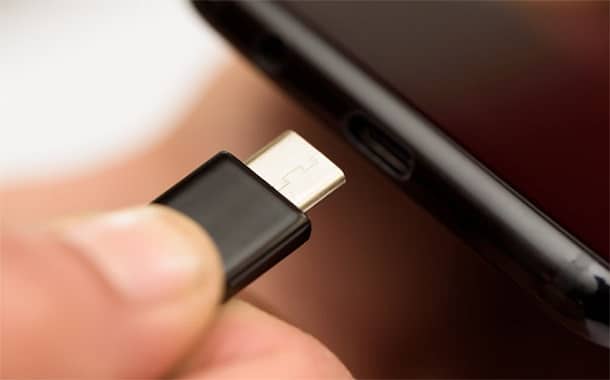
Smartphone charging port requiring inspection or repair

A DIY repair may cost $35 to $200+ before accounting for accidental damage. The port itself may cost only $10 to $100, but modern phones often need model-specific tools, adhesive, heat, and replacement seals.

Possible DIY expenses include:

  • Charging board or port assembly: $10 to $100+
  • Opening and precision tools: $20 to $70
  • Replacement adhesive and seals: $5 to $25
  • Heating pad or controlled heating equipment: $20 to $100
  • Soldering or hot-air equipment when required: $100 to $500+

Not every port repair requires soldering. A replaceable daughterboard or flex cable can often be changed without connector-level work. A port soldered to a board may require a microscope, hot-air station, controlled heating, board preparation, and significant microsoldering experience.

DIY risks include:

  • Puncturing or bending the battery
  • Cracking the screen or rear glass
  • Tearing a display, antenna, fingerprint, or button cable
  • Damaging solder pads on the board
  • Installing the wrong regional part
  • Losing microphone or cellular function
  • Reducing water resistance
  • Voiding a service or parts warranty

Watching a teardown video is useful for understanding the difficulty, but it does not replace repair experience. A first attempt on a valuable daily-use phone can turn a $120 shop repair into a device replacement costing hundreds of dollars.

Water Resistance After Repair

Opening an adhesive-sealed smartphone disturbs its factory-applied seals. A technician may install replacement adhesive and perform a pressure test, but the device should not automatically be treated as having the same original water-resistance rating.

Google warns that water and dust resistance are not permanent and can be reduced by normal wear, damage, repair, or disassembly. This limitation is included in its current Pixel safety guidance.

Before authorizing repair, ask:

  • Is new perimeter adhesive included?
  • Are microphone and port seals replaced?
  • Is a pressure or seal test performed?
  • Does the shop guarantee water resistance?
  • Does the warranty cover later liquid entry?

A repaired phone should still be kept away from water, steam, saltwater, pools, and deliberate submersion even when replacement adhesive has been installed.

Warranty and Repair Quality

A manufacturer warranty may cover a charging connector that failed because of a verified manufacturing defect. It generally will not cover bent pins, foreign-object damage, accidental impact, corrosion, liquid exposure, or damage caused during an unauthorized repair.

Protection plans and carrier insurance may repair the device, replace it, or charge a deductible. Review:

  • Service fee or deductible
  • Accidental-damage coverage
  • Liquid-damage terms
  • Claim limits
  • Mail-in versus walk-in service
  • Whether the replacement is new or refurbished
  • Data-loss exclusions

Ask an independent provider whether the shop uses genuine, reclaimed original, premium aftermarket, or generic components. No aftermarket part should be described as automatically equal to the original without testing and a meaningful warranty.

A reasonable repair warranty may cover the installed part and workmanship for 90 days to one year. It may exclude liquid damage, physical damage, unrelated board faults, and problems caused by the customer’s cable or charger.

Data Protection and Privacy

Back up the phone before service whenever possible. A repair can fail, a device may need to be reset, or the service provider may replace a larger assembly than expected.

Before handing over the device:

  • Create an encrypted cloud or computer backup.
  • Confirm that photographs, contacts, messages, and authentication data are recoverable.
  • Remove payment cards from the physical case.
  • Use the manufacturer’s repair or maintenance mode when supported.
  • Ask whether the technician needs the device passcode.
  • Record the IMEI, serial number, and physical condition.
  • Remove the SIM card when the shop does not need it.

A shop may need access to test charging, microphones, USB data, cellular reception, and accessory functions. Request a clear explanation of what access is necessary and how customer data is protected.

When Charging Port Repair Makes Sense

Repair usually makes sense if:

  • The phone remains supported with security updates.
  • The display, cameras, battery, and housing are in good condition.
  • The repair costs well below the phone’s replacement value.
  • Important data cannot yet be transferred.
  • A reputable provider offers a written warranty.

Replacement may make more sense if:

  • The port repair approaches the phone’s working value.
  • The device also needs a battery, screen, or back-glass repair.
  • Software and security support are ending.
  • Liquid damage has affected several circuits.
  • The shop cannot obtain a reliable replacement part.

A cleaning or modular daughterboard repair can extend a phone’s useful life at a reasonable cost. Extensive board repair on an older low-value device deserves a closer comparison with replacement.

What We Verified

  • Confirmed that cables, adapters, debris, moisture, and battery faults can mimic port failure.
  • Verified that Apple does not publish one universal charging-port repair fee.
  • Confirmed that some Samsung ports are replaced with the complete daughterboard.
  • Checked the extensive disassembly required for recent iPhone port assemblies.
  • Verified manufacturer warnings against charging while moisture is present.
  • Confirmed that repair and disassembly can reduce water and dust resistance.
  • Separated modular replacement from board-level microsoldering.

Related Electronics Repair Costs

A charging-port problem may be only one part of an aging phone’s repair budget. Compare the estimate with the cost of phone screen repair when the display or touch layer is also damaged.

Similar connector failures occur in portable computers, but laptop power jacks and USB-C ports may be attached directly to the motherboard. The cost of laptop hinge repair is another example of how a small visible component can require extensive disassembly.

Answers to Common Questions

How much does charging port repair cost?

Professional service generally costs $20 to $60 for cleaning, $70 to $180 for a modular replacement, or $120 to $300+ for complex or board-level repair.

How do I know whether the charging port is damaged?

Possible signs include a connector that no longer seats securely, visible bent or burned contacts, unreliable charging with multiple known-good cables, failed USB data transfer, or a port that moves inside the phone.

Could lint stop a phone from charging?

Yes. Compacted pocket lint can prevent the cable from inserting fully. Professional inspection and cleaning may solve the problem without replacing the port.

How long does a charging port repair take?

Cleaning may take 15 to 60 minutes. A modular replacement often takes one to two hours, while complex disassembly, microsoldering, parts ordering, or corrosion work may require several hours or days.

Can I use wireless charging instead?

Wireless charging can serve as a temporary alternative on compatible phones, but it will not restore USB data transfer and may not address corrosion, heat, battery, or internal charging faults.

Will the phone remain waterproof after repair?

Factory water resistance cannot be assumed after the phone is opened. Replacement adhesive and testing may improve sealing, but the original rating may no longer apply.

Should I repair a port on an older phone?

Compare the repair with the phone’s working value, battery health, other damage, software support, and replacement cost. A repair approaching 70% to 80% of the phone’s value may be difficult to justify.

Disclosure: Educational content, not financial advice. Prices reflect public information as of the dates cited and can change. Confirm current rates, fees, taxes, and terms with official sources before purchasing. See our methodology and corrections policy.

by Alec Pow
ThePricer cost research Independent price research used by media, universities and public institutions.

We research provider pricing, market examples, buyer reports, hidden fees and public records.

Methodology · Citations · Newsroom
© 2014 - 2026 - ThePricer Media, LLC, 4 Grove Street, New York, NY, 10014, Phone: (212) 431-2441
We don’t use affiliate links or paid placements. All sources are cited only for verification.
  • Link to X
  • Link to LinkedIn
  • Link to Facebook
  • Link to Instagram
  • Link to Pinterest
  • Link to Youtube
  • Contact Us
  • About Us
  • Press & Mentions
  • Careers
  • Meet the Founder
  • Privacy Policy
  • Editorial Ethics
  • Methodology
  • Corrections
  • Disclosure
  • Terms and Conditions
Scroll to top Scroll to top Scroll to top