
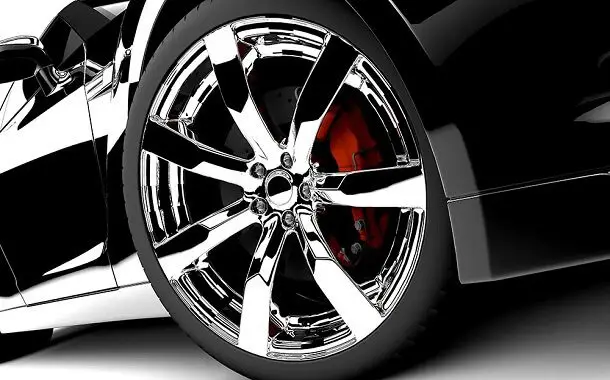
How Much Does It Cost To Chrome Dip Rims?
Last Updated on December 27, 2023
Written by CPA Alec Pow | Content Reviewed by  CFA Alexander Popinker
Chrome dipping transforms basic metal wheels into showpieces drawing eyes across parking lots. But the stunning finish is more complex than dumping rims in chrome vats.
The complex process and materials require significant investments. When executed properly though, dipped chrome rims introduce unexpected flair making ordinary vehicles get elite cruising status.
How Much Does It Cost To Chrome Dip Rims?
To get a better understanding of how much you would have to pay to get rims dipped in chrome, you must consider the costs of labor and materials involved. This process will take some time, but the result is surely worth it.
You might also like our articles about the cost of rims in general, Plasti Dipping a car, or curb rash repair.
In general, you will have to spend anywhere between $720 and $1,250 to have your rims dipped in chrome. The average cost per tire for chrome dipping is anywhere between $190 and $320.
The cost of this service for most vehicles will be up to $1,250 for all four tires, while the price of larger rims will be anywhere between $420 and $550 per tire.
How much does labor cost for chrome dip rims?
As chrome dipping is done in general by hand, the labor involved is a great factor that affects the overall costs.
Expect to pay anywhere between $80 and $110 per wheel for the labor of chrome dipping the rims. It may seem a little too expensive, but the final result is surely worth every penny. However, you may be able to save money on this process if you have the necessary materials and abilities to do it by yourself.
How much do the materials needed for chrome wheel dipping cost?
Plan on spending anywhere between $420 and $850 for the pars, depending on the style and size of your rim. Though, the cost will depend on the place you buy the chrome dipping materials from. You may be able to save some money by looking for these supplies online.
But, if you want to save some extra effort and time, then there are pre-dipped rims on the market. The price of this option will fluctuate depending on where you buy the rims.
Total cost estimates
Taking into consideration the average prices we presented above, in the table below you can find the total cost estimates for chrome dipping your rims:
| Buying New Rims | $350 – $600 per wheel |
| Extra Large Rim Sizes | $450 – $600 per wheel |
| Labor | $350 – $600 |
| Materials | $450 – $900 |
| Total | $800 – $1500 |
As you can see, you will have to spend a minimum of $1,250 for chrome dipping rims.
Pricing Factors When Considering Dipped Chrome Rims
Transforming basic aluminum construction into triple-chrome dazzlers requires significant investments. Significant cost factors include:
- Wheel Size – Larger diameter and wider width applications utilize more solutions.
- Design Complexity – Simple five-spoke templates dip easier than complex vented tuner rims with crevices prone to catching bubbles.
- Shop Rates – Facility equipment, technician experience, and regional demand influence per wheel pricing.
- Customer Supplied Parts – DIY homemade immersion requires safety considerations before attempting without training.
Calculations For Estimating Complete Projects
Approximating complete chrome dip rim costs for planning purposes breaks down into three overarching line items:
- Materials – Chrome solution, metal primers, and finishing formulas range from $150-$300 per average wheel based on diameter.
- Labor – Technician prep, dipping, drying, and inspection fees add $50-$150 per rim depending on intricacy.
- Wheel Components – Customer-supplied rims if not replaced with new pre-dipped inventory add expense but allow retaining preferred designs.
With materials and labor averaging $250 per rim as a planning estimate, complete passenger car projects land in the $1,000 to $1,500 range. Larger specialty wheel sizes may push towards $2,000 or beyond. Firm pricing depends heavily on specific dimensions and parameters. Carefully measure existing rims and research regional shop rate comparisons when budgeting upgrades.
Metal Rims in Wheels
The terms “wheels” and “rims” often get used interchangeably, but subtle differences exist. Wheels comprise the entire metal structures allowing tire mounting and vehicle bolting.
Rims specifically describe outer wheel edges securing rubber treads. Standard factory construction utilizes coated steel while aftermarket varieties highlight aluminum alloys or chrome plating.
Rims are among the most visible ride components directly impacting styling impressions. Even basic vehicles elicit higher regard when rolling on
What is Chrome Plating?
Traditional chrome plated wheel finishing electroplates a thin chromium layer onto metal underlying bases through electrical current suspension. This shields against corrosion while allowing the polished metal to transmit through a slightly opaque coating. Chrome Plating process limitations though leave edges and complex designs.
Dip-coating instead submerges entire rims in chromium solution for deeper penetrating and uniform results. Finishers then bake layers with stabilizing nickel between adding final accents like colored tints.
This bonds finishes more durably to original forms. Dipped chrome flowing evenly across all surfaces withstands bumps and scrapes better.
The Dipping Process for Rims
Transforming basic metal construction into triple-chrome showstoppers combines equal parts science and artistry. Carefully controlled process steps ensure maximum corrosion protection and dazzling optics. Standard procedures progress through main phases including:
- Disassembly and Evaluation
- Surface Preparation
- Priming Layers
- Dipping and Curing
- Final Detailing
The Importance of Protecting Chrome Shine
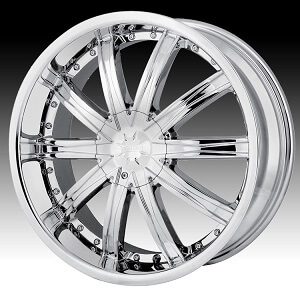 Despite unrivaled visual impact straight from the dip tank, maintaining immaculate dipped chrome requires ongoing careful cleaning habits.
Aggressive chemicals or brushes risk scratching through delicate finishes much easier than paint or powder coatings. Even basic road debris slowly erode the shine if not removed promptly.
Special non-acidic wheel cleaners dissolve brake residue buildup without damaging rims. Avoid automatic car wash systems with caustic solutions too.
Light polish restoring rebuffs surface contaminant etching between deeper waxing. Such proactive upkeep retains flawless chrome radiance year after year as the ultimate flashy wheel style.
Adding Cosmetic Spinning Rims Covers
Some chrome dip rim owners take further style customization by installing decorative spinning wheel covers. These bolt-on attachments freely rotate independent of actual wheels thanks to wireless electronics hidden behind hub rings. Colorful designs, custom graphics, or LED lighting create unique visual effects attracting attention while cruising or when stationary.
Carefree spin wheel covers impose minimal impact on wheel balancing compared to spinner lug nuts directly attached to rims. No modifications are required during dipping procedures either. Simply remove covers temporarily until completing service then reinstall over finished chrome. Spinning overlays supply effortless extra flair augmenting already exceptional dipped rim aesthetics.
Dipped Chrome Rims Carry Trade-Offs
Gleaming chrome clearly conveys luxury status for any vehicle instantly. However, dipping existing aluminum fails to match factory wheel structural integrity or balance. And superficial finishes require ongoing careful cleaning uncommon among mud-hugging four-wheel drive off-roaders.
Yet some tradeoffs seem trivial from behind the wheel of an otherwise normal commuter car suddenly eliciting neck-craning awe on the daily drive. With prudent prep minimizing corrosion risks, dipped chrome substantially outlasts ownership periods.
The eye-catching enhancement simply feels invaluable as perceived from the driver’s seat. No other visible upgrade extracts comparable transformation for similar investment. Just brace for constant compliments anytime wheels spin into view.
Conclusion
Spectacular triple-chrome dipping turns traditional aluminum wheels into trophies displaying creative customization flair. Such gleaming modern bling accentuates vehicle investments through relatable personalization.
Despite added upfront and maintenance efforts, dipped rims bring tremendous long-lasting joy few other upgrades consistently achieve around modest cars. Any tradeoffs or expenses seem negligible with eyes endlessly locking onto the liquid mirrors making mundane driving excitement once again.

Leave a Reply
Want to join the discussion?Feel free to contribute!