How Much Does it Cost To Install Wall Air Conditioning?
Updated on | Written by Alec Pow
This article was researched using 7 sources. See our methodology and corrections policy.
Installing wall air conditioning usually costs between $700 and $2,400 for a through-the-wall room AC unit with professional installation. A simpler replacement in an existing wall sleeve can cost closer to $450 to $1,200, while cutting a new exterior wall opening, adding a dedicated electrical circuit, repairing siding or drywall, and sealing the sleeve can push the total to $1,500 to $3,500+.
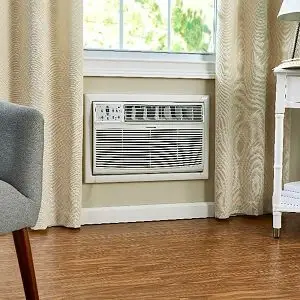
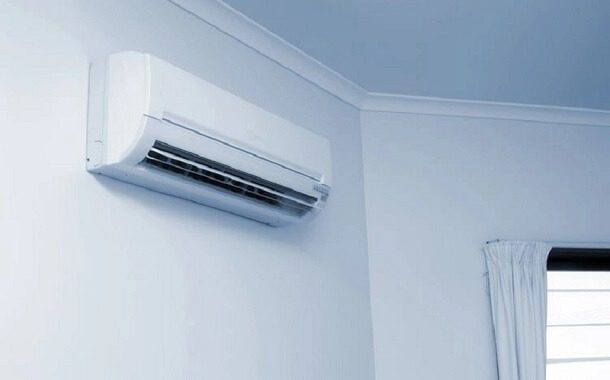
The price changes a lot because “wall air conditioning” can mean two different systems. A through-the-wall air conditioner is a self-contained room unit installed in a sleeve through an exterior wall. A wall-mounted ductless mini-split has an indoor air handler, outdoor condenser, refrigerant line set, condensate drain, electrical disconnect, and HVAC commissioning. That second job is usually much more expensive, often $2,500 to $6,000+ for one zone.
The main cost entities are the BTU capacity, wall sleeve, exterior wall material, 115V or 230V outlet, dedicated circuit, permit, HVAC technician labor, electrician labor, insulation, weather sealing, condensate drainage, CEER efficiency rating, and whether the installer is replacing an old unit or creating a new wall opening.
With hotter summers and stronger heat waves, this has become less of a comfort-only purchase and more of a practical cooling upgrade for bedrooms, top-floor apartments, home offices, rentals, garages, additions, and rooms that central air does not cool well. Reuters reported in June 2026 that parts of Europe were on high alert as extreme heat spread east and south, with some areas facing temperatures around 40°C.
How Much Does It Cost To Install Wall Air Conditioning?
Jump to sections
For most homes, a through-the-wall air conditioner installation costs $700 to $2,400 (equivalent to 2 workweeks at $30 per hour, or about $970 in 1990 dollars) for the unit and labor. If the wall already has a properly sized sleeve, support, outlet, and weatherproofing, the job can be much cheaper. If the installer must cut into the exterior wall, frame the opening, install a sleeve, patch drywall, repair siding, and run new electrical wiring, the cost rises quickly.
HomeGuide gives a current installed range of $700 to $2,400 for a through-the-wall AC unit, noting that it is more permanent and more expensive than a window unit because it requires cutting a large opening in an exterior wall. HomeAdvisor lists through-the-wall air conditioners at about $200 to $700 for the unit alone for smaller systems.
| Wall AC Installation Type | Typical Cost | Best For |
|---|---|---|
| Replace an existing through-the-wall AC unit | $450 to $1,200 | Same sleeve size, working outlet, minimal wall repair |
| New through-the-wall AC installation | $700 to $2,400 | Single room cooling with a permanent wall sleeve |
| Complex through-the-wall installation | $1,500 to $3,500+ | New wall opening, masonry, electrical work, siding or drywall repairs |
| PTAC unit installation | $1,500 to $3,000+ | Apartments, hotels, additions, and larger single-zone rooms |
| Single-zone ductless mini-split | $2,500 to $6,000+ | Efficient room cooling and heating with an indoor wall head and outdoor condenser |
| Multi-zone ductless mini-split | $6,500 to $15,000+ | Several rooms with individual temperature control |
If your goal is simply to cool one room during a heat wave, a through-the-wall unit is usually the cheaper permanent option. If you want quiet operation, better efficiency, heating, and zoned control, a mini-split is the more complete but more expensive upgrade.

Wall AC Cost By System Type
A through-the-wall AC and a ductless mini-split are both mounted on or through a wall, but they are not priced the same way. The through-the-wall unit is closer to a permanent room air conditioner. The mini-split is closer to a small HVAC system.
| System | Unit Cost | Installed Cost | Notes |
|---|---|---|---|
| Small through-the-wall AC, 6,000 to 8,000 BTU | $250 to $600 (about $240 in 1990 dollars) | $600 to $1,600 | Good for bedrooms and small offices |
| Medium through-the-wall AC, 10,000 to 12,000 BTU | $400 to $900 | $900 to $2,200 | Good for larger bedrooms, living rooms, or top-floor rooms |
| Large through-the-wall AC, 14,000+ BTU | $600 to $1,200+ | $1,200 to $3,000+ | May need 230V power and stronger wall support |
| PTAC unit | $700 to $1,800 | $1,500 to $3,000+ | Often used in hotels, rentals, apartments, and additions |
| Single-zone ductless mini-split | $1,000 to $3,500+ | $2,500 to $6,000+ | Includes indoor wall head, outdoor condenser, line set, drain, and electrical work |
HomeGuide reports that single-zone ductless mini-split AC installation costs $2,500 to $6,000, while multi-zone systems cost much more. Fixr’s ductless AC guide gives a broader national range of $4,577 to $8,328 for ductless mini-split installation, with an average around $6,357.
This is why the old “wall air conditioning” price answer needed to be cleaned up. A $1,400 wall AC installation can be realistic for a through-the-wall unit, but it is usually too low for a properly installed ductless mini-split.
Cost Breakdown
A basic wall AC job looks simple from the room side, but the price includes more than sliding a unit into place. The installer has to support the weight, keep water out, prevent air leaks, protect the exterior wall, and make sure the electrical load is safe.
| Item | Typical Cost | Details |
|---|---|---|
| Through-the-wall AC unit | $250 to $1,200+ (about $480 in 1990 dollars) | Price depends on BTU size, brand, heating option, smart controls, and efficiency |
| Wall sleeve and grille | $80 to $300 | Needed for many new installations and some replacements |
| Basic labor | $300 to $900 | Mounting, leveling, sealing, trim, and testing |
| New wall opening | $400 to $1,500+ | Cutting, framing, sleeve support, flashing, and cleanup |
| Electrical circuit or outlet work | $150 to $800+ | Needed when the unit requires a dedicated 115V or 230V circuit |
| Drywall, trim, or paint repair | $150 to $800+ | Depends on how cleanly the wall can be opened and finished |
| Siding, brick, stucco, or masonry repair | $200 to $1,500+ | Masonry and stucco usually cost more than wood or vinyl siding |
| Permit and inspection | $50 to $300+ | Varies by city and whether electrical work is included |
| Old unit removal and disposal | $50 to $200 | May be included in some replacement quotes |
For a realistic mid-range example, a homeowner installing a 10,000 BTU through-the-wall AC in a bedroom might pay $650 for the unit, $180 for the sleeve and grille, $700 for installation labor and wall work, $350 for electrical work, and $120 for permit and finishing materials. That puts the total near $2,000.
Extra Costs To Consider
The hidden costs usually come from the wall and the electrical work, not the air conditioner itself. A unit that looks cheap online may not be cheap after the installer sees the exterior wall, the existing outlet, the panel capacity, and the patching needed after the cutout.
- Dedicated circuit: Larger wall AC units may need a dedicated circuit, and some 230V units cannot use a standard bedroom outlet.
- Exterior wall material: Wood framing and vinyl siding are usually easier than brick, stone, stucco, concrete block, or old plaster walls.
- Wall sleeve mismatch: Replacing an old unit is cheaper only if the new unit fits the old sleeve or has a compatible trim kit.
- Water management: Poor slope, flashing, or sealing can let rainwater into the wall.
- Condensation: Some systems need a drain path, especially PTAC or mini-split installations.
- Old wiring: Older homes may need extra electrical work before safely running a larger AC unit.
- Lead paint or asbestos risk: Older properties can require careful handling when cutting into walls.
- Emergency installation: During heat waves, contractors may charge more or book out quickly.
If the bigger issue is that your existing cooling system is weak or dirty, a full installation may not be the first step. ThePricer also has guides on AC tune-up costs and air conditioner coil cleaning costs, both of which can be cheaper than adding a new wall unit.
What Affects The Cost?
The biggest cost drivers are BTU size, labor access, wall type, electrical requirements, and whether the job is a replacement or a new installation. A simple replacement in an existing sleeve may take a few hours. A new opening in a masonry wall can turn into a multi-trade project involving an HVAC installer, electrician, mason, and finish carpenter.
| Cost Factor | Lower-Cost Scenario | Higher-Cost Scenario |
|---|---|---|
| Installation type | Replace existing unit | Cut a new exterior wall opening |
| Wall material | Wood-framed wall with vinyl siding | Brick, stone, stucco, concrete, or thick plaster |
| Electrical setup | Existing nearby outlet with correct voltage | New dedicated circuit or panel work |
| Unit size | 6,000 to 8,000 BTU | 12,000 to 14,000+ BTU |
| Cooling goal | One bedroom or office | Large open room, kitchen, sunny room, or top-floor space |
| System type | Through-the-wall room AC | Ductless mini-split or multi-zone system |
| Finish work | Basic caulk and trim | Interior paint, exterior siding, masonry, or trim repairs |
Location also matters. In hot regions, top-floor apartments, south- and west-facing rooms, and rooms with poor insulation may need more capacity or a more efficient system. In a milder climate, a smaller unit used only during heat waves may be enough.
Through-The-Wall AC vs Ductless Mini-Split
Choose a through-the-wall AC if you want the lowest permanent cooling cost for one room and do not need heating, zoning, or whole-home comfort. It is often the better fit for a bedroom, small rental, garage office, or room where a window unit is not practical.
Choose a ductless mini-split if you want quieter operation, higher efficiency, heating and cooling from one system, and better comfort control. A mini-split costs more upfront because the installer has to mount the indoor head, place the outdoor condenser, run refrigerant lines, install a condensate drain, add electrical disconnects, evacuate the line set, and test refrigerant pressure.
A third option is central air, but that is a different budget category. If your existing central system is failing, compare the wall-unit quote with repair or replacement costs such as central air compressor replacement before adding several room units around the house.
What Size Wall AC Do You Need?
Room size is the starting point. The U.S. Department of Energy says room air conditioners generally range from 5,500 to 14,000 BTU per hour and that a common rule is about 20 BTU per square foot of living space. ENERGY STAR also provides a room air conditioner sizing chart based on square footage.
| Room Size | Typical BTU Range | Common Use |
|---|---|---|
| 150 to 250 sq. ft. | 5,000 to 6,000 BTU | Small bedroom or office |
| 250 to 350 sq. ft. | 7,000 to 8,000 BTU | Medium bedroom, den, or small living room |
| 350 to 450 sq. ft. | 9,000 to 10,000 BTU | Large bedroom or standard living room |
| 450 to 550 sq. ft. | 10,000 to 12,000 BTU | Large room or sunny upper-floor room |
| 550 to 700 sq. ft. | 12,000 to 14,000 BTU | Large open room, studio, or addition |
Do not automatically buy the largest unit. An oversized room AC can cool the air too quickly without removing enough humidity, which makes the room feel cold and damp instead of comfortable. Increase capacity for very sunny rooms, kitchens, poor insulation, higher ceilings, or rooms used by several people at once.
If humidity is the main comfort problem, not heat alone, compare the AC quote with a moisture-control option such as a whole-house dehumidifier installation. In some homes, lowering humidity makes the same temperature feel more comfortable.
Installation Steps
A professional through-the-wall AC installation usually follows a predictable sequence. The exact work changes depending on whether the installer is replacing an old wall unit or creating a new opening.
- Choose the room and wall. The installer checks the room size, sun exposure, studs, wiring, exterior obstructions, and where the unit can drain safely.
- Confirm the electrical requirements. The unit may use 115V or 230V power, and larger systems may need a dedicated circuit.
- Mark and cut the wall opening. For new installations, the contractor cuts the interior wall and exterior wall carefully to fit the sleeve.
- Frame and support the sleeve. The sleeve must be level, supported, and slightly sloped or configured according to the manufacturer’s instructions.
- Seal and weatherproof the opening. Flashing, insulation, caulk, foam, trim, and exterior repairs help prevent air leaks and water intrusion.
- Install the AC unit. The unit slides into the sleeve, is secured, and is connected to power.
- Test operation. The installer checks cooling, airflow, thermostat response, drainage, vibration, and noise.
A ductless mini-split installation is different. It includes mounting an indoor wall head, setting an outdoor condenser, drilling a small line-set hole, running refrigerant lines and a drain, adding electrical disconnects, pressure testing, vacuuming the lines, and commissioning the system.
Can You Install Wall Air Conditioning Yourself?
A simple same-size replacement in an existing sleeve can be a DIY project for a careful homeowner, especially if the outlet, sleeve, support, and trim are already in good condition. A new wall opening is different. Cutting the wrong spot can damage wiring, plumbing, structural framing, insulation, siding, brick, or weather barriers.
DIY is usually not recommended when the job requires a new dedicated circuit, 230V power, masonry cutting, structural framing, permit work, refrigerant lines, or a ductless mini-split installation. Mini-splits should be installed by a qualified HVAC professional because refrigerant handling and electrical work are involved.
Even for a through-the-wall unit, a poor installation can cause water leaks, cold drafts, vibration, mold inside the wall, and premature equipment failure. Saving a few hundred dollars on labor is not worth it if the wall repair later costs more than the installation.
Maintenance And Running Costs
After installation, the main ongoing costs are electricity, filter cleaning, coil cleaning, and occasional service. Smaller room units cost less to run than central air because they cool only one room, but the final bill depends on the BTU size, efficiency rating, electricity rate, thermostat setting, insulation, and how many hours per day the unit runs.
Plan to clean or replace filters regularly during heavy use. Dirty filters reduce airflow, make the unit work harder, and can make the room feel less comfortable. Keep the exterior grille clear and avoid blocking indoor airflow with curtains, furniture, or shelves.
Mini-splits and PTAC systems may also need periodic professional maintenance. If the system begins to smell musty, drip water, short-cycle, freeze up, or lose cooling power, schedule service before the hottest part of summer if possible.
How To Save Money
The best way to save money is to match the system to the room instead of overspending on capacity you do not need. A right-sized wall AC will usually cost less upfront and run more comfortably than an oversized unit.
- Use an existing sleeve if it is safe, compatible, and weather-tight.
- Get quotes before the first major heat wave, when installers are less backed up.
- Compare a through-the-wall AC with a mini-split before choosing based only on upfront price.
- Choose a common sleeve size so future replacement is easier.
- Avoid cutting masonry unless there is no better wall option.
- Check whether your local utility offers rebates for high-efficiency room ACs or heat pumps.
- Seal air leaks, use curtains or exterior shading, and improve insulation before buying a larger unit.
- Clean filters and coils so the system does not waste energy.
ENERGY STAR notes that qualifying ductless heating and cooling systems may be eligible for incentives, including federal tax credits for certain air-source heat pumps. Check current program rules, local utility rebates, and eligibility before assuming the credit applies to your exact model and installation date.
Disclosure: Educational content, not financial advice. Prices reflect public information as of the dates cited and can change. Confirm current rates, fees, taxes, and terms with official sources before purchasing. See our methodology and corrections policy.