
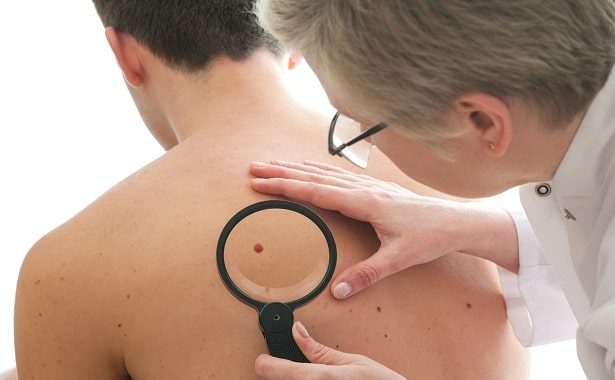
How Much Does Mole Removal Cost?
Last Updated on January 12, 2024
Written by CPA Alec Pow | Content Reviewed by  CFA Alexander Popinker
Moles are extremely common, mostly harmless skin growths. But some people choose to have moles taken off for cosmetic reasons or because they’re in irritating locations. If you’re considering getting one or more moles removed, then you might be wondering how much this costs.
In this post, we’ll break down the typical costs of mole removal, factors that impact the price, whether insurance covers it, and more. Read on to learn what to expect when budgeting for mole removal procedures.
How Much Does Mole Removal Cost on Average?
The average cost to remove a single mole ranges from $150 to $400 without insurance. So you can generally expect to pay:
- Small mole removal: $150 – $250
- Medium mole removal: $250 – $350
- Large mole removal: $350 – $400
Here are some other factors that influence mole removal costs:
- Location of the mole on body – Face or neck moles cost more to remove.
- Type of mole – Raised, pigmented, or precancerous moles are pricier.
- Removal technique – Surgical excision is more expensive than shave removal.
- Doctor fees – Plastic surgeons or specialists charge higher fees.
Without insurance, most people pay $200 to $500 to have 1-3 moles removed, depending on their size and the doctor’s rates.
GoodRx reports that cosmetic mole removal can cost about $150 to more than $1,500 out of pocket, depending on the factors mentioned earlier.
Franklin Laser states that most people can expect to pay between $150 to $1,500 to remove moles, with higher costs related to the removal of multiple moles.
MDsave lists the cost of a mole removal (in office) in Tennessee ranging from $219 to $371 and in general, ranging from $148 to $953.
Epiphany Dermatology mentions that the cost of standard mole removal is typically under $200, but surgical removal costs more.
Mira reports that the cost of removing a mole without it covered on your insurance plan in 2023 ranges between $150 – $400.
Spot Check Clinic charges $120 per treatment per lesion for angiomas, telangiectasia, and freckles/age spots removed using intense pulsed light/BBL.
Moran Facial Plastic Surgery & MedSpa states that the cost of a mole removal starts at $350, depending on the location and complexity of the mole.
Laskin MD reports that mole removal starts at $80 for freezing and about $120 each for shave excisions.
Cost to Remove a Mole by Procedure Type
Here’s a more detailed look at the typical costs associated with different mole removal methods:
Simple shave excision:
- Cost: $150 – $250
- Description: Quickly shaving off flush with the skin.
- Best for: Small, flat moles.
Elliptical excision:
- Cost: $300 – $500
- Description: Cutting out the mole in an oval shape and stitching it closed.
- Best for: Raised moles and moles with visible roots.
Punch excision:
- Cost: $250 – $450
- Description: Using a cookie-cutter tool to remove a circular mole sample.
- Best for: Small moles.
Laser ablation:
- Cost: $200 – $450
- Description: Using a laser to vaporize the mole. Typically takes several treatments.
- Best for: Precancerous moles and moles on the face or other delicate areas.
Cryosurgery:
- Cost: $75 – $300
- Description: Freezing off the mole with liquid nitrogen.
- Best for: Small, surface moles.
Talk to your dermatologist about which method is right for the specifics of your mole removal.
Does Insurance Cover Mole Removal?
If a mole is precancerous or potentially cancerous, insurance will cover its removal. This is considered medically necessary care.
But insurance usually won’t cover cosmetic mole removal just for appearance reasons. Elective procedures are paid out-of-pocket.
However, some plans may partially reimburse mole removal costs if the mole:
- Chronically bleeds, itches, or becomes irritated by clothing.
- Is in a high friction area and prone to trauma.
- Has an abnormal appearance suggestive of skin cancer risk.
Talk to your dermatologist about whether they can make a case to insurance for clinically warranted mole removal. This can help reimburse some of the costs.
What is Mole Removal?
Mole removal is a simple outpatient procedure to eliminate benign moles or lesions from the skin. There are a few methods dermatologists and plastic surgeons use:
- Surgical excision: The mole is cut out and the skin stitched closed.
- Shave excision: The mole is shaved off flush with the skin.
- Laser: A laser burns off the mole.
- Cryosurgery: Liquid nitrogen freezes and destroys the mole.
The location and type of mole determine the best removal technique. Recovery is usually quick with minimal side effects like temporary redness or soreness around the site.
Will Mole Removal Leave a Scar?
With the advanced techniques used today, mole removal usually doesn’t leave any visible scarring. However, you may have a small white line or mark where the mole was taken off.
You might also like our articles about the cost of a dermatologist visit, wart removal, or milia removal.
Your risk of scarring goes up if:
- The mole was very large or deep.
- It was removed from a delicate area like the face.
- You picked at or infected the wound while healing.
Following your dermatologist’s postoperative care instructions lowers scarring risk. Lasers can also sometimes improve the appearance of any slight scar left after mole removal.
Finding Affordable Mole Removal
While rarely covered by health insurance, there are ways to find cheaper mole removal:
- Ask your dermatologist for any available discounts for multiple moles removed at once.
- Consider a general practitioner for basic mole removal instead of a costly plastic surgeon.
- Compare rates between dermatology clinics. Medicosmetics and similar chains often have lower pricing.
- Ask about financing plans offered by the clinic to spread out payments interest-free.
- Inquire about any mole removal specials or coupons if offered by providers in your area.
Finding insured mole removal is unlikely. But shopping around and asking for available discounts can yield more budget-friendly mole removal costs for cosmetic purposes.
What to Expect From Mole Removal Procedures
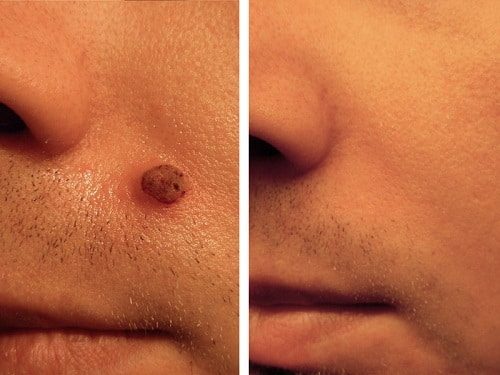 If you do opt to get one or more moles removed, here’s a quick look at what to expect:
- The actual removal takes just 10-20 minutes per mole.
- You can stay awake for the numbing and procedure.
- There is little recovery needed aside from keeping the area clean and protected.
- Temporary soreness, redness, and scabbing may occur around the removal site.
- Results are immediate – the mole will be gone right away!
- Follow up with your dermatologist 1-2 weeks later to check healing.
- Use sun protection diligently on any new scar left behind.
While mole removal is quick, easy, and rarely leaves scarring, always have a suspicious mole examined by a dermatologist first. Catching any signs of melanoma early is crucial.
Is Mole Removal Worth the Cost?
If you have a mole that bleeds, itches, gets irritated, or is in an inconvenient spot, removing it can provide relief. Cosmetically, you can remove the mole to also enhance your appearance.
But keep in mind you’ll likely foot the entire bill out-of-pocket. Compare providers to find the best balance of affordable pricing and experienced medical care.
If you have multiple moles you don’t like, consider having the most bothersome ones removed first. Removal can run $500 or more per mole.
For peace of mind about any mole changes, make sure you get regular skin checks too. This allows early detection of any potential skin cancers through tests like the biopsy.
Final Words
While elective, mole removal provides cosmetic enhancement and relief from irritation. With many moles safely and effectively removed every day, this common procedure can give you the smooth skin you want.

Leave a Reply
Want to join the discussion?Feel free to contribute!