
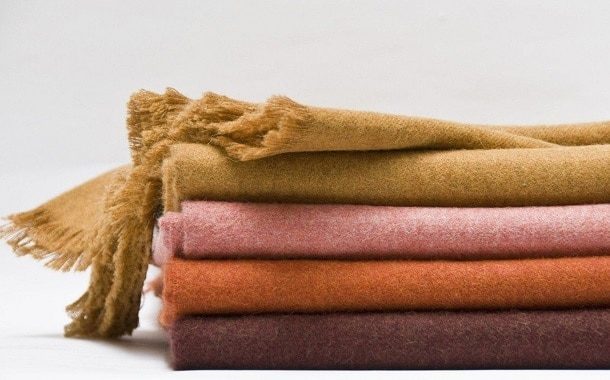
How Much Does Blanket Dry Cleaning Cost?
Last Updated on March 19, 2024
Written by CPA Alec Pow | Content Reviewed by  CFA Alexander Popinker
For many households, few things compare to the soft warmth and cozy comfort of wrapping up in a favorite blanket on a chilly night. Yet over time, well-loved blankets inevitably accumulate dust mites, body oils, seasonal mustiness, and an array of unsightly stains that can only be fully removed by the powerful chemical solvents utilized in professional dry cleaning.
But exactly what factors determine typical blanket dry cleaning service pricing? When does it warrant paying for specialty dry cleaning versus attempting to launder blankets at home?
We’ll analyze the typical cost range you can expect to invest for properly dry-cleaning blankets of varying sizes and fabric types. We’ll outline the notable differences between dry cleaning and traditional washing, break down the specifics that impact pricing like regional overhead costs, square footage size, fabric quality and content, and stain severity.
You’ll learn creative ways to keep dry cleaning costs manageable through comparison shopping, bulk discount incentives, loyalty programs, and extending time between cleanings.
We’ll also offer expert advice on when it’s essential to pay for dry cleaning fragile heirloom quality blankets, and when it may be safe to launder more casual, affordable blankets at home if the manufacturer’s care tag allows. Read on for in-depth insights on blanket dry-cleaning costs and care.
How Much Does Blanket Dry Cleaning Cost?
Blanket dry cleaning costs $15-$50 on average, depending on size, fabric, and stain level. Silk, wool, and premium blankets exceeding $200+ in initial value warrant professional cleaning to protect quality. More affordable blankets may tolerate home washing if the care label permits.
Below are common blanket dry-cleaning costs though prices can vary by region:
- Twin or Small Blankets– Approximately $15-$25 on average
- Full/Medium Blankets– Approximately $20-$35 on average
- Queen/Large Blankets– Approximately $25-$45 on average
- Oversized King & Heirloom Blankets– Approximately -$35-$50+ on average
- Silk, Wool, Down, Cashmere Blankets– Approximately $30-$60+
More complex details like embroidery or applique work, luxury fabric blends, and any necessary intensive stain treatment or repetition would sit at the higher end of these brackets.
Clean Jeans Dry Cleaners charge $16.00 for a single blanket, $20.00 for a full blanket, $23.00 for a queen blanket, and $25.00 for a king blanket.
At Clothes Encounters their prices for dry cleaning blankets are $10.00 for a twin, $12.00 for a full, $14.00 for a queen, and $16.00 for a king.
Cleanestor mentions that dry cleaning a blanket typically costs between $10 to $30, depending on the size and material of the blanket. This cost range includes king-sized blankets as well.
Dry Cleaning vs Traditional Laundering
While home washing relies on water, detergent, and agitation to lift away grime, dry cleaning utilizes alternative liquid solvents such as perchloroethylene, hydrocarbon, or silicone-based solutions to deep clean fabrics and lift stains. The benefits of professional dry cleaning include:
- Safely deep cleaning delicate “dry clean only” blankets and fabrics that would otherwise risk damage if machine washed at home. This includes wool, silk, cashmere, linen, rayon, and more.
- Superior removal of body oils, odors, environmental pollutants, dust mite allergens, and stubborn oily stains that often withstand regular high efficiency laundry detergents.
- Controlled process does not subject fabrics to potential shrinkage or color bleed risks from hot water and high heat drying.
- Includes professional pressing to keep blankets smooth and wrinkle-free. Proper shaping is maintained.
- Helps preserve the vibrant appearance and integrity of fabrics over many years.
The powerful chemical solvents require specialized commercial equipment not available in residential washing machines. For this reason, any blanket labeled as “Dry Clean Only” should be left to professional dry cleaners to safely achieve the most thorough, effective cleaning possible without damage.
Factors Influencing Blanket Dry Cleaning Cost
Some of the major details that determine blanket dry-cleaning pricing include:
- Overall size and dimensions – Larger and thicker blankets require more cleaning solvent volume and handling time which increases costs.
- Fabric composition and quality – High maintenance fabrics like delicate silks, cashmeres, and merino wool demand greater care in cleaning agents used, handling, and pressing versus basic polyester blends, impacting pricing.
- Presence of stains – Heavily soiled blankets with challenging grease, oil, or food-based stains take additional pretreatment and attention which adds costs.
- Regional overhead expenses – Facility costs like retail space rent in higher cost urban areas directly influence pricing options.
- Any specialty care instructions – Requirements like low heat or lay flat drying take more time and care.
A blanket’s construction quality, initial purchase price, and current condition also indirectly factor into pricing levels based on the required cleaning methods suitable.
Professional vs. Home Washing
As a general rule:
- Opt for professional dry cleaning anytime a blanket has a “dry clean only” tag or label to prevent irreparable shrinking or dye bleeding damage from home washing.
- Consider dry cleaning for any blankets made with more delicate fabrics like silk, cashmere, merino wool, linen, antique cotton, or specialty blends, which require solvents to fully revive fibers without damage.
- Wash more casual and affordable polyester, micro plush, light cotton, or cotton/poly blend blankets carefully at home if the sewn-in fabric care tag clearly states “machine washable.”
When in doubt, the professional dry-cleaning route preserves the quality and extends the usable lifespan of fine blankets compared to taking risks with home washing. For priceless heirlooms or cherished bedding investments, dry cleaning provides invaluable peace of mind.
You might also like our articles about the cost to clean a leather jacket, a fur coat, or a comforter.
Lowering Blanket Dry Cleaning Costs
There are several strategies that may help reduce dry cleaning costs over time:
- Inquire about bulk discount rates which some shops offer when cleaning multiple items like comforters and blankets together rather than a single piece.
- Look into current new customer special offers or seasonal promotions when first trying a new dry cleaner. Sign up for email newsletters.
- Ask about joining any frequent customer loyalty programs which can earn you free dry cleaning services after meeting cleaning purchase thresholds.
- Have blankets professionally cleaned only every 2-3 years instead of yearly to stretch time between services. Air out and spot clean as needed between dry cleanings.
- Use an enzymatic pre-treater immediately when stains occur to break down oils and lift staining before it permanently sets. This reduces the need for repeat cleans.
With some savvy shopping and strategic professional service timing, you can keep beloved blankets fresh and pristine while easing cleaning budget impacts.
At-Home Dry Cleaning Kits and Handwashing
 While only recommended if the fabric care label allows:
- At-home dry cleaning kits utilizing gentle solvents exist but offer limited effectiveness compared to professional methods – $10-$20 per use
- Carefully hand wash blankets in a mild specialty wool or silk detergent using minimal agitation and then lay flat on towels to air dry – effective but far more labor intensive and time consuming compared to convenient dry cleaning services.
Whichever method you explore, always consult your blanket’s care instructions first before attempting any washing method. When in doubt, call in the proven professionals to avoid permanent damage over dubious cost savings.
Final Words
Keeping blankets fresh and free of allergens has benefits for health and hygiene. While most blankets range $20-$50 to professionally dry clean, the investment preserves quality, especially for delicate heirloom fabrics. With some smart shopping strategies and fabric care diligence, you can keep your favorite blankets clean, soft, and cozy for years of comfort.
Frequently Asked Questions
Is dry cleaning good for blankets?
Yes, dry cleaning is highly effective for deep cleaning most blanket types while being gentle on fabrics. The chemical solvents lift away body oils, deeply embedded environmental allergens and dust mites, and stubborn stains that may withstand regular machine washing.
Dry cleaning preserves the quality and extends usable lifespan.
Can I wash a blanket that says dry clean?
This is not recommended. The dry clean only tag indicates the blanket is made of fabrics too delicate for regular machine washing which could lead to irreparable damage like shrinking, distortion, or dye bleeding.
Stick strictly to professional dry cleaning only to avoid permanent damage unless a highly qualified fabric alteration shop advises home washing is appropriate after inspection.
How do you make blankets dry faster?
To accelerate drying after a careful washing, lay wool or other blankets flat atop absorbent terrycloth towels set on drying racks, furniture, or a clean floor space to allow fresh air circulation on both sides.
Point nearby fan airflow directly on blankets to help evaporate moisture. Avoid hanging blankets vertically as the water weight can stretch delicate fibers. Fluff and rotate blankets periodically to dry interior sections.
How often should I clean my blanket?
Most standard polyester and light cotton household blankets that receive regular use only need professional dry cleaning approximately every 2-3 years. Washable cotton, microfiber, and poly-blend blankets can typically be cared for 1-2 years between gentle machine washings.
Increase dry cleaning frequency if you suffer from allergies or use the blanket excessively. Spot clean stains immediately as they occur to minimize cleaning needs.
Why are some blankets dry clean only?
Luxury blankets made of delicate fabrics like cashmere, merino wool, silk, linen, and cotton flannel are inherently too fragile for routine machine washing. The agitation and heat of home cycles will cause these special fibers to shrink, felt, warp, or bleed color.
Dry cleaning allows deeply embedded soils to be lifted safely without abrasion using gentle cleaning solvents suitable for the fine fibers in premium blankets.

Leave a Reply
Want to join the discussion?Feel free to contribute!