
How Much Does a Lawn Care Service Cost Per Month?
Published on | Written by Alec Pow
This article was researched using 14 sources. See our methodology and corrections policy.
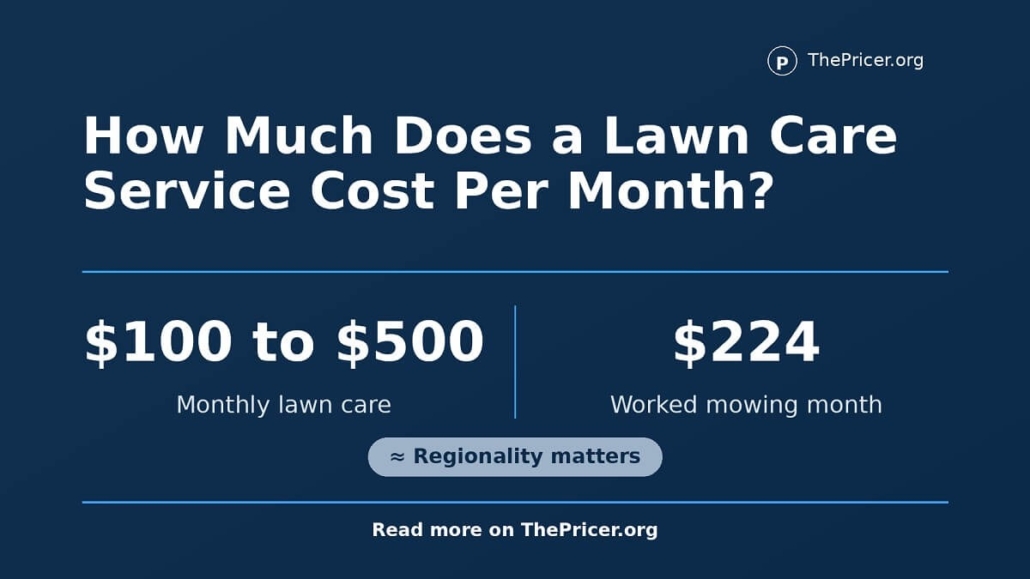
A lawn care service may cover recurring mowing, turf treatments, or a broader maintenance plan. For a standard residential property, current U.S. data places basic professional care around $100 to $500 per month, with a midpoint near $300, according to 2026 national lawn-care figures. Lawn size, service frequency, and the tasks included move the bill.
The monthly invoice can combine mowing, trimming, edging, cleanup, fertilizer, weed control, aeration, and other scheduled work. Contractors also price crew time, equipment use, travel, property access, grass condition, and treatment materials. Exact figures are often quote-based because the provider must match its route and labor to a specific property.
The U.S. lawn-care market includes homeowner cost publishers Angi and HomeAdvisor, service marketplaces LawnStarter, Lawn Love, and LawnGuru, and treatment provider TruGreen. Their coverage spans the parts of a monthly lawn bill a homeowner needs to separate, including turf square footage, mowing cadence, crew labor, mower and trimmer use, edging, clipping cleanup, fertilizer, weed control, aeration, grass height, access, route time, and seasonal work. Mowing labor and turf treatments create different billing patterns, so bids need the same visit schedule and service scope before the totals can be compared.
Recurring lawn care is a per-visit or per-month service rather than a single project. Region, lawn size, mowing frequency, labor, and treatment add-ons determine how much of the bill comes from repeat crew visits versus seasonal applications.
How Much Does a Lawn Care Service Cost Per Month?
Jump to sections
A recurring residential lawn service often falls near $100 to $500 (at $30 per hour, earning that amount would take about 0.4 to 2.1 full-time workdays, before taxes) per month in a 2026 national cost review, with visit frequency and service scope moving the total.
Important numbers
- Entry $100 per month
- Mid $300 per month
- All-in $500 per month
What this is in plain terms
Recurring lawn care is scheduled upkeep for grass and its immediate edges. A mowing visit can include cutting turf, string trimming around fences and beds, edging hard surfaces, and blowing clippings from walks or driveways. Treatment service can add fertilizer, weed control, aeration, seeding, or pest work. Some households buy mowing from one operator and turf treatments from another.
The service differs from a one-time landscaping project that installs plants, retaining walls, sod, or irrigation. It also differs from DIY care because the contractor supplies labor, mowing equipment, trimming equipment, transport, and scheduling. Treatment programs bring a different set of tools and materials. The distinction can be seen in professional turf treatment programs, which center on scheduled applications rather than weekly grass cutting. Mowing is the recurring anchor.
A worked monthly total
August 2026 mowing data places professional service at $43 to $70 (about 1.4 to 2.3 hours of work at $30 per hour) per visit and gives a midpoint of $56 using U.S. city data, as shown in the published per-visit mowing data. For a simple monthly calculation, use four mowing visits at that published midpoint.
- Visit one at $56
- Visit two at $56
- Visit three at $56
- Visit four at $56
Four visits multiplied by $56 equals $224 for the month. That figure represents a mowing month rather than a quote for every yard. Larger turf areas, tall grass, tight access, extra trimming, treatment products, or a different schedule alter the result. That math is the useful part. Once a contractor gives a per-visit figure, the homeowner can multiply it by the scheduled visit count before adding treatment work, cleanup, or another separately quoted task.
What you’re paying for
A lawn contractor’s charge has to cover much more than the minutes when mower blades are turning. Crew wages, payroll costs, fuel, mower and trimmer wear, blades, trucks, insurance, travel between jobs, disposal, and office work sit behind the service rate.
Treatment work adds fertilizer, herbicide, seed, applicator equipment, and technician time. January 2026 data places basic mowing with trimming near $30 to $85 (about 1 to 2.8 hours of work at $30 per hour) per visit, with quarter-acre weekly service near $45 to $65 per visit, according to a 2026 mowing-rate analysis. Those units explain why two companies can quote the same property differently even when both intend to perform mowing, trimming, edging, and blow-off work. A compact route reduces travel between stops.
A property filled with beds, trees, fence lines, narrow passages, and hard surfaces creates more hand-tool work and cleanup time. Treatment-heavy service shifts part of the charge away from mowing labor and toward products, applicator equipment, and technician time.
| Quote line | What it should identify | Common reason it changes |
|---|---|---|
| Mowing | Turf area and visit schedule | Larger service area |
| Trimming and edging | Fence lines, beds, walks | More hand-tool work |
| Cleanup | Blowing, bagging, haul-off | Heavy clippings or debris |
| Treatment | Product and application | Added fertilizer or weed work |
A written quote should also spell out what happens when the property no longer matches the recurring-service assumption. Overgrown grass, extra debris, added beds, or a requested cleanup can become a separate line item or change order. The useful comparison is the same defined scope across contractors, including mowing frequency, trimming, edging, blow-off work, treatment applications, and any surcharge triggers.
Typical monthly totals
February 2026 data places recurring full-service care at $100 to $200 per month for a one-eighth-acre lawn, $200 to $400 for a quarter acre, and $400 to $800 for a half acre in published full-service monthly figures. The same data places two monthly mowing visits at about $90 to $200. A mowing-only arrangement and a plan containing treatment work are different purchases even when both are sold on a recurring schedule.
Property size changes the monthly number because more turf increases cutting time, fuel use, trimming distance, and equipment wear. As historical context, a 2024 national reference placed monthly lawn care at $25 to $100 for one-eighth acre, $50 to $200 for one-quarter acre, and $100 to $400 for one-half acre in its 2024 lawn-size comparison. The newer 2026 figures run higher for full-service packages, which is another reason to separate mowing-only bids from contracts that include treatments and seasonal maintenance.
Add-on work
Seasonal turf work can make one month’s invoice much larger than a mowing-only month. April 2026 pricing lists quarter-acre fertilization at $65 to $85, aeration at $120 to $240, dethatching at $60 to $120, and leaf removal at $60 to $120 in a published quarter-acre service schedule. These charges can sit outside the recurring mowing fee when performed as stand-alone work.
Hidden-cost callout. A month containing mowing plus aeration can carry an added $120 to $240 on a quarter-acre property under that schedule, and fertilization can add another $65 to $85. Dethatching has its own labor and cleanup demands, described in the lawn dethatching service discussion. Heavy fall debris can become a separate cleanup ticket, as shown in the leaf removal cost discussion. Ask whether seasonal services are included in the monthly agreement or billed when performed.
Three different service patterns
Budget mowing case. A current provider pricing page lists mowing for a maintained 5,000-square-foot property starting at $29 per visit in its published mowing starting rate. Four visits at that starting figure equal $116 per month because four multiplied by $29 equals $116. The main driver in this case is a small, maintained service area without added treatment work.
Access-heavy mowing case. An April 2026 Massachusetts contractor lists weekly mowing at $45 to $85 per visit for a standard single-family property and names slope, tight access, line-trim footage, and hard-surface cleanup as quote drivers in its North Shore mowing rates. The main driver is crew time around the property. Treatment month. June 2026 national data places one professional fertilization job at $77 to $395, with a midpoint near $225, according to a professional fertilization range. That application can sit on top of mowing due in the same month, making treatment scope the primary driver.
Regional labor, yard access
 Access changes labor time. A gated backyard, narrow side passage, steep slope, play equipment, retaining walls, long trimming runs, or large paved areas can keep a crew on site longer than an open lawn of similar size. Regional wages and travel also feed into the quote.
June 2026 yard-care data places mowing and maintenance around $135 per month, with the broader range at $50 to $220, and cites yard size, service type, and location among the drivers in its June 2026 yard-care pricing. Contractors with several nearby stops can spread truck time across a tighter route. A distant property or one that forces crews to unload smaller equipment can consume more paid time before the cut is finished.
DIY can make financial sense when the yard is manageable and the homeowner already has storage and time. The same 2026 source places a gas-powered push mower at $200 to $400, before fuel, blades, maintenance, trimming equipment, and the homeowner’s labor. Paid service gains ground when the property needs repeated trimming, larger equipment, treatment applications, or difficult access. The comparison is not only mower purchase price. It is the recurring time and equipment needed to produce the same scope a contractor is quoting.
Who this cost makes sense for
Recurring service fits properties where mowing and related work create a dependable workload across the growing season. It can also fit homeowners who want one contractor responsible for a mowing schedule and selected turf applications. A narrow mowing scope is easier to compare across bids than a broad maintenance package, so the written service list should match before monthly totals are put side by side.
Makes sense if
- The lawn needs weekly or biweekly cutting during active growth.
- Fences, beds, trees, or slopes create substantial trimming work.
- The property needs scheduled fertilization, weed treatment, or aeration.
- The household does not own suitable mowing and trimming equipment.
Doesn’t make sense if
- The turf area is small and existing equipment handles it quickly.
- Only occasional mowing is needed.
- The household already handles edging, cleanup, and equipment care.
- Treatment work is purchased separately and recurring mowing adds little value.
What we verified
- Checked that Lawn Love bases mowing charges on lawn square footage and service frequency, with grass above nine inches triggering its long-grass rules under the square-footage pricing rule.
- Confirmed that LawnGuru uses a base rate for properties up to 3,000 square feet and raises the charge for added mapped area under its mapped-area pricing method.
- Verified that TruGreen describes treatment visits every 4 to 6 weeks and lists fertilization, weed control, aeration, and overseeding within its scheduled treatment cadence.
Article Highlights
- Basic recurring lawn care can land around $100 to $500 per month.
- Mowing frequency and turf area shape the recurring base.
- Treatment months can be much higher than mowing-only months.
- Gates, slopes, obstacles, and trimming length add crew time.
- Ask whether aeration, fertilization, cleanup, and overgrown-grass charges sit outside the recurring fee.
- Compare quotes using the same service list and visit schedule.
Answers to Common Questions
Does monthly lawn care include mowing?
It can. Some companies sell mowing as the recurring service and bill treatments separately, while others package mowing with selected turf and cleanup work.
Is weekly mowing cheaper than biweekly mowing?
The per-visit rate can be lower on a weekly schedule because the grass stays shorter, but weekly service creates more visits. Compare the monthly total rather than one cut.
Why did the first lawn service bill come in higher?
Overgrown grass, heavy trimming, debris removal, or catch-up cleanup can require more crew time than later maintenance visits. The quote should identify any first-visit or long-grass rule.
Should fertilization be included in the monthly budget?
Yes, when the contractor performs it during the service season. Ask which applications are included in the recurring fee and which are added when completed.
Disclosure: Educational content, not financial advice. Prices reflect public information as of the dates cited and can change. Confirm current rates, fees, taxes, and terms with official sources before purchasing. See our methodology and corrections policy.