
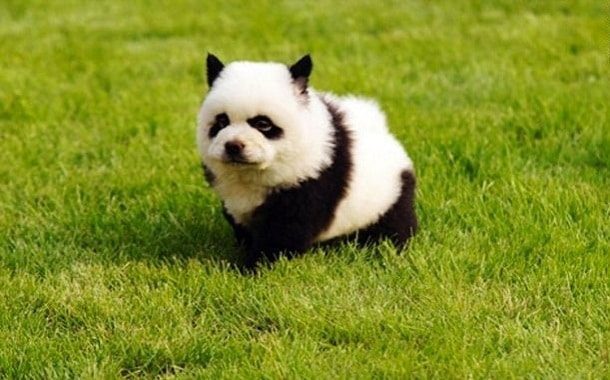
How Much Does a Panda Dog Cost?
Last Updated on November 13, 2025 | Prices Last Reviewed for Freshness: January 2026
Written by Alec Pow – Economic & Pricing Investigator | Reviewed by Priya Patel, DVM
Educational content; not medical advice. Prices are typical estimates and may exclude insurance benefits; confirm with a licensed clinician and your insurer.
The phrase “panda dog” does not describe a single official breed. It usually refers to specific color patterns in Pugs or Chow Chows, or to designer mixes and grooming work that mimic panda markings. A detailed breakdown of panda Pugs, one of the best known variants, reports that puppies from highly sought after bloodlines often run from around $1,500 up to nearly $6,000, which places them firmly in boutique dog territory rather than everyday family pet territory.
Purchase price is only the starting point. Recent dog ownership estimates from shelters and animal groups suggest that a typical dog of any breed can cost between about $1,400 and $4,300 per year once food, vet care, grooming, insurance and basic supplies are counted, and specialty dogs that need frequent grooming or have fragile genetics often sit near the upper end of that span, figures echoed in estimates from the Porter County Animal Shelter’s cost of owning a dog guide.
A realistic view of panda dog cost must look at the full life of the animal, not just the day one payment, so this guide walks through purchase price, monthly bills, hidden veterinary expenses, alternatives and simple ways to cut the outlay without cutting care.
Article Highlights
Jump to sections
- Most panda style puppies from breeders currently sit between about $1,000 and $3,000, with panda Pugs and similar designer lines sometimes climbing to $5,000 to $6,000.
- First year spending commonly lands between roughly $3,000 and $6,000 once vet care, food, starter supplies and grooming are added to the initial purchase.
- Ongoing ownership often costs around $1,400 to $4,300 per year for food, veterinary visits, grooming, toys and insurance, and panda style coats usually lean toward the higher end.
- Adopting a dog with panda like markings for $150 to $500 through a shelter or rescue can cut the entry outlay dramatically while still providing a similar visual appeal.
- Across ten years, many panda dog guardians will spend somewhere in the range of $20,000 to $30,000 on purchase, care and occasional problems, especially if grooming is frequent and insurance is included.
How Much Does a Panda Dog Cost?
Most sources that track panda dog pricing, including a Chow Chow panda dog price breakdown, agree on a broad purchase range of about $1,000 to $3,000 for a typical puppy, with outliers that stretch higher when breeders promote rare color genetics, celebrity ownership or very small litters.
That span includes many Shih Tzu or Bichon type mixes trimmed to resemble tiny pandas, as well as Pug lines that carry black and white patterning, and it already places these dogs above the average price of many common small breeds sold through local breeders.
Within that band, price varies sharply by origin. A boutique breeder that advertises “panda” coloring with health testing and early socialization usually charges more than regional hobby breeders that focus on temperament first, and both sit well above rescue or adoption options. One Minnesota breeder listing for panda style puppies highlighted prices at about $1,600 plus a non refundable $400 deposit, so the fee to secure a spot actually matches many full purchase prices for regular Pug or mixed breed puppies.
Regional availability also shapes the fee. Areas with clusters of specialty breeders in the Midwest or Southern United States often display higher asking prices than smaller markets that have only intermittent panda litters and rely on ground transport or flight nannies that can add hundreds of dollars to the bill. Shipping, import permits and local taxes can quietly push a puppy that started near $2,000 closer to $2,500 by the time the new owner meets their dog, before routine monthly care even begins.
Real Life Cost Examples
Consider a buyer in Los Angeles who decides to order a panda Pug from a well known breeder that quotes $3,500 for a show quality puppy. Transport with an in cabin nanny adds another $500. In the first year, this owner pays about $600 for vaccinations, spay or neuter and routine exams, $700 for premium food and treats, and $400 on beds, crates, toys and grooming tools. The first twelve months quietly reach roughly $5,700, a total that sits comfortably inside the first year ranges described in a 2024 cost of dog ownership analysis by The Spruce Pets, even before any emergency visit or insurance premium enters the picture.
A family outside Minneapolis that chooses a panda style puppy from the Minnesota breeder mentioned earlier starts with a different profile. The puppy itself costs $1,600, the deposit is $400, and a modest setup of crate, playpen, leash set, ID tags and starter toys totals about $300.
If this household uses mid range food and basic pet insurance, then annual recurring spending can sit near $2,000 for food, routine vet visits and premiums, leading to a three year spend in the neighborhood of $8,300 when the original payment is included, a pattern that aligns with multi year averages in a MarketWatch report on the cost of owning a dog.
Another owner might fall for panda style markings but decide to adopt instead. A rescue that occasionally places dogs with panda like coloring may charge an adoption fee somewhere between $150 and $500, often bundled with spay or neuter, vaccinations and microchipping. Yet this lower entry price does not remove ongoing obligations, because adoption fee breakdowns from Petfinder still point to yearly expenses that can reach or exceed $2,000 once food, preventives, grooming and occasional illness are factored in.
Cost Breakdown
The initial investment starts with the puppy itself. Today most panda dogs sold as designer pets fall between about $1,000 on the low end and upwards of $3,000 for premium lines, with panda Pugs and panda Chow mixes sometimes advertised as high as $5,000 to $6,000.
Advertised “panda dogs” from specialist sellers, such as those profiled on UK based panda dog sales pages, sit firmly in this boutique bracket. Prospective owners then layer on a starter kit of bowls, crate, bedding, leash and harness, which commonly sits near $300 based on average dog setup estimates, along with training classes that can add another $150 to $300 in the first months.
Food and regular supplies form the backbone of ongoing spending. Market analyses and pet care surveys suggest that a single dog usually consumes about $400 to $700 worth of food per year, depending on size and diet quality, and owners add another few hundred dollars annually on treats, chew toys, poop bags and grooming shampoo. A recent overview of canine costs from the World Animal Foundation places typical yearly spending for food and supplies in that range for small to medium dogs.
You might also like our articles about the cost of a Cavachon, Pekingese, and a Morkie.
Veterinary care is the biggest variable. One detailed 2024 guide on dog costs from Insurify’s pet insurance research team reports that many owners should budget roughly $700 to $1,500 per year for routine checkups, vaccines and dental work, while dedicated spay or neuter clinics frequently post surgery fees in the $120 to $275 span for small dogs. Emergency visits can swing wildly, from a few hundred dollars for a simple stomach upset to several thousand dollars if surgery or intensive care is needed, so many panda dog owners now purchase insurance policies to buffer the worst scenarios.
Hidden extras round out the picture. Blood panels and lab work attached to pre surgery exams can add $80 to $250 to a given year, while prescription medications for allergies or skin problems may cost $30 to $120 per month.
Dental cleanings, follow up visits after injuries, recovery cones, protective shirts and rehabilitation sessions can easily stack another $300 to $800 on top of the ordinary annual bill. These elements mirror the add ons described in the ASPCA’s guidance on cutting pet care costs and show how quickly panda dog cost climbs when medical “incidents” pile up rather than staying rare.
Factors Influencing the Cost
Name and type sit at the center of pricing. Some sellers use “panda dog” to describe purebred Chow Chows or Pugs that happen to carry specific color genes, while others refer to mixed breed designer dogs or to animals trimmed and dyed to mimic panda markings.
Guides that focus on panda Pugs, such as a dedicated panda Pug overview from The Pug World, note that rare color genetics, small size and desirable facial structure all command higher prices, which is why some litters from prestige kennels reach the $5,000 to $6,000 band even when the underlying breed remains the same as more affordable Pugs.
Grooming needs then push the budget further. Panda style coats rely on sharp contrast around the eyes, ears and limbs, which takes frequent visits to experienced groomers if the look is built on clipping and safe cosmetic dye. Industry breakdowns of grooming prices, including a detailed 2023 explainer from The Academy of Pet Careers, show that owners who rely on professional grooming often spend between about $50 and $600 per year on coat care for typical dogs, and panda patterns often require more frequent work than simple short clips, so they tend to land toward the upper part of that spectrum.
Location, demand and macroeconomics also shape panda dog cost. Urban buyers in cities such as Los Angeles, New York or London face higher breeder fees, higher grooming rates and higher vet bills than many rural owners, partly because local labor and real estate drive service prices upward. Financial planning articles that track pet inflation, like a pet ownership cost summary from Aspen Wealth Management, point out that food, supplies and veterinary services all rose faster than general consumer prices in recent years, so even if the headline puppy fee stays flat, the running tally for a panda style companion keeps growing under the surface.
Alternatives
Some people like the panda look but prefer not to pay boutique prices or support intense color breeding. A regular Pug from a responsible breeder frequently costs around $800 to $1,500, a range confirmed in a 2025 price guide from Spot Pet Insurance’s Pug pricing breakdown, and a small “teddy bear” type puppy such as a Shichon often sells for about $400 to $800 depending on breeder and region. These dogs may not start out with the same sharp panda markings, yet they usually offer similar size, temperament and family friendliness.
Professional grooming offers another path. Owners of ordinary small dogs sometimes ask groomers to mimic panda style patterns using clipping, safe dyes and strategic shading, which shifts the cost from a one time purchase premium to regular salon bills.
For guardians who already budget for grooming and like the flexibility to change styles over time, this route can feel more sensible than locking into a single expensive panda dog purchase, a view echoed by cost saving guides such as a Pawlicy Advisor article on saving money on pet care, because coat styles can move from panda to lion cut or back to a standard trim as tastes change.
The table below compares typical purchase prices for a panda style puppy and three common alternatives, using recent listings like teddy bear puppy price ranges from Greenfield Puppies as a benchmark for small companion breeds.
| Option | Typical purchase price (USD) | Short notes |
|---|---|---|
| Panda style designer puppy | $1,500 – $6,000 | Rare color lines or styling marketed as exclusive |
| Regular Pug | $800 – $1,500 | Similar size and personality without color premium |
| Teddy bear / Shichon type puppy | $400 – $800 | Fluffy small companion, can be groomed into “panda” styles |
| Adopted mixed breed with panda like markings | $150 – $500 | Shelter or rescue fee often includes core vet work |
Comparing these bands shows that a panda style designer puppy can cost roughly twice as much as a regular Pug and up to ten times as much as an adopted mixed breed with similar markings, which is why many cost conscious owners gravitate toward these alternatives instead of boutique panda branding.
Ways to Spend Less
One of the strongest savings levers is how the dog joins the household. Adopting a dog with similar coloring from a shelter or rescue usually keeps upfront spending between about $150 and $500, which often covers spay or neuter, vaccinations and microchipping, compared with several thousand dollars for a breeder panda puppy.
A cost infographic prepared by 24Petwatch using ASPCA data highlights how adoption fees plus basic setup still sit far below boutique breeder prices, and that difference frees room in the budget for training, enrichment and an emergency fund.
Owners who do choose a panda style dog can still hold costs down by selecting simple, low maintenance trims, learning basic grooming at home, choosing mid tier food that meets veterinary standards rather than luxury labels, and comparing pet insurance quotes carefully.
Guides from major insurers suggest that accident and illness coverage for many dogs averages around $50 to $60 per month, a range supported by a 2024 rate comparison from NerdWallet’s pet insurance cost analysis, so a plan that fits the household budget can prevent one bad emergency bill from derailing finances.
Total Cost of Ownership
Total cost combines the purchase price, annual care and the odd surprise. If an owner pays a mid range $2,000 for a panda style puppy, then spends about $2,000 to $3,000 each year on food, routine vet care, grooming, supplies and a basic insurance plan based on modern cost surveys, a ten year life easily reaches between about $22,000 and $32,000.
That rough window mirrors lifetime projections assembled in a pet cost overview from D.A. Davidson’s analysis of pet ownership costs, even though individual dogs will sit higher or lower depending on health and lifestyle.
When you add up the purchase price, vaccinations, neutering or spaying, recurring checkups, food, grooming visits, training sessions, insurance premiums and occasional emergency bills spread across many years, the total outlay for a single panda style dog can match the cost of a small car, even for careful owners who shop sales and avoid luxury extras.
Personal finance writers who examine pet budgets, such as a Meritus Credit Union piece on the true cost of being an animal lover, stress that trends move faster than price tags. A cute panda clip on social media fades quickly, yet the bills that follow keep arriving every month until the dog reaches old age.
Answers to Common Questions
How much does a panda dog usually cost to buy?
Most panda dogs sold through breeders cost between about $1,000 and $3,000, and some highly marketed panda Pugs or panda Chow mixes reach the $5,000 to $6,000 tier. Price guides for closely related breeds, such as a 2025 Pug cost explainer from Hepper, show similar premiums when rare colors and designer branding enter the picture, while rescue or shelter dogs with similar markings are much cheaper, often available for an adoption fee of $150 to $500.
Is a panda dog a real breed or a grooming style?
“Panda dog” is a marketing label rather than a recognized breed standard. It usually refers either to color patterned Pugs or Chow Chows, designer mixes with black and white markings, or to dogs that have been groomed and dyed by professionals to resemble pandas, so genetics, health quality and price vary widely. Guides that profile dogs that look like pandas treat the look as a style or color theme, not a single pedigree.
How much does it cost per month to keep a panda style dog?
Monthly spending for a panda style dog often falls somewhere between about $150 and $350 once food, routine vet visits averaged across the year, grooming, toys and insurance premiums are divided into monthly amounts, and heavy grooming schedules or high insurance coverage can push that figure higher. A 2025 breakdown of Pug ownership costs from Dogster places many small companion dogs in the $100 to $200 per month range before any boutique grooming or extra medical needs.
Are grooming and dyeing costs high for panda dogs?
Professional grooming to maintain a panda inspired pattern can cost around $50 to $100 per visit and may be needed every four to eight weeks, so owners who rely completely on salons could spend several hundred dollars per year on coat care, especially when safe dyes are part of the service. A detailed grooming price overview from PetPlace shows how repeated specialty cuts and color work steadily increase the annual grooming bill.
Is a panda dog a good financial choice for first time owners?
First time dog guardians who are sensitive to cost often choose more common breeds or adopt from shelters, because panda style puppies tend to be expensive to buy and usually require regular grooming, higher insurance and a healthy emergency fund to cover sudden veterinary problems without financial stress.
Financial and veterinary advisers who outline pet budgets, such as a practical guide from Brownsburg Animal Clinic, consistently encourage potential owners to weigh long term dog expenses before choosing any high maintenance breed or designer variant.

Leave a Reply
Want to join the discussion?Feel free to contribute!
People's Price
No prices given by community members Share your price estimate
How we calculate
We include approved comments that share a price. Extremely low/high outliers may be trimmed automatically to provide more accurate averages.