
How Much Does a Pitbull Cost? – Puppies With and Without Papers
Last Updated on January 6, 2024
Written by CPA Alec Pow | Content Reviewed by  CFA Alexander Popinker
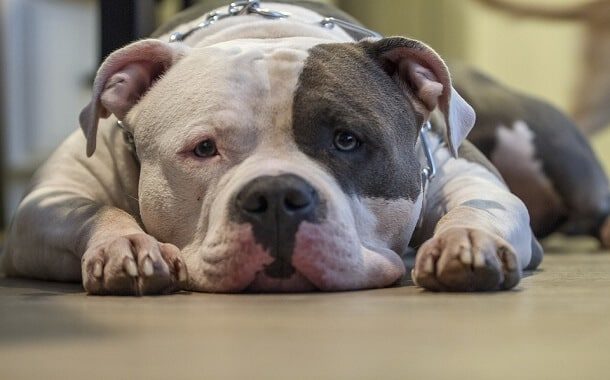
The history of this breed began somewhere in the nineteenth century. By crossing the Bulldog and the Terrier, an attempt was made to obtain an active dog, capable of being playful and at the same time a strong athlete. The short fur, well-defined muscles, wide neck and chest, and flat head, give the Pitbull the appearance of a strong and agile dog. The ears are generally cut in a sharp shape. The height varies between 14 and 25 inches and the weight between 22 and 78 pounds.
Because of its appearance and volcanic temperament, the American Pit Bull Terrier has been at the center of several stories about attacks on humans. In fact, the dog breed is dominated by the desire to please the owner and show aggression towards other animals or, especially, other dogs, when commanded. In fact, it is well known that these quadrupeds are used in illegal dog fights.
Despite this tarnished reputation, if they are socialized and unquestionably subordinate to a calm, confident owner who knows how to dominate the dog, they will not show their violent side, but on the contrary. They are funny, playful animals, extremely loyal, and full of affection towards family members, be they adults or children. So how much does a Pitbull cost?
How much does a pitbull dog cost?
A purebred pitbull puppy has an average cost between $1,000 and $5,000. However, for registered dogs with good bloodlines from a world-class breeder, you should expect to see prices as high as $40,000 or more.
These dogs are unique in a number of ways, and the price reflects it. They come from an elite bloodline that is known for its strength and intelligence. Not only do they have excellent genes but these traits were also carefully cultivated through selective breeding so that each generation would be stronger than the previous one.
When it comes to individual lineage lines, Gator Pitbulls cost between $2,000 and $10,000, while Colby Pitbulls are likely to cost around $2,000 to $22,000. There are cheaper Pitbull breeds as well, like the Blue Nose Pitbull and the Razor Edge Pitbull, having prices of $1,000 to $2,000 and $2,200 to $6,000 respectively.
And aside from the lineage of the dog, its price will also be determined by the breed. The American Pitbull Terrier, for example, will usually cost between $500 and $1,000, while the Staffordshire Bull Terrier will likely cost between $1,500 and $2,000. The American Bully Pitbull breed will likely cost between $2,500 and $5,000.
On average, the price of a pitbull puppy that comes with no papers or pedigree will be somewhere between $200 to $500.
If you’re looking for a good deal, older dogs and unregistered pitbull puppies are typically found at local shelters or on classified websites. You can adopt one of these cute pups for as low as $100 to $500. The Pitbull dog price will depend upon the quality, age, of the dog, gender (male/female), bloodline (purebred vs mixed breed), geographical location, and who you choose to buy them from.
You might also like our articles about the cost of a Dogo Argentino, a Tibetan Mastiff, or a Boxer.
If you want a purebred pitbull, look for backyard breeders who try to sell their dogs as “blue nose” or “red nose.” These are just mutts with special colored noses. They may be good pets but they certainly aren’t worth thousands of dollars.
Factors That Affect the Cost of a Pitbull Puppy
As you can see, there is quite a range of prices when it comes to pit bulls, and the cost is going to depend on several factors. So let’s dig deeper into these factors and why they actually matter:
Ancestry
The lineage or ancestry of the Pitbull will influence its price. A regular Pittie is likely to be cheaper by 90% or more than a Pitbull from a champion bloodline like Hulk.
You will also spend considerably more on a Pitbull that has police dog ancestry. Monster G, Razor Edge, Colby, and Gator are some of the other popular champion bloodlines of Pitbull dogs aside from Hulk.
Appearance
The price you end up paying for a Pitbull puppy will also be dictated by its appearance. Everything from height, build, coat, and nose color will matter when it comes to the Pitbull appearance.
A Pitbull with outstanding physical features tends to be more expensive than the rest. For example, the American Pitbull terrier attracts more payment because of their red and blue nose, which makes them desirable.
Pet Guarantee
Puppy mills will likely sell Pitbulls without a guarantee, while reliable shelters and reputable breeders will usually offer a pet guarantee. It’s not unusual for a breeder or pet store to offer up to a 2-year health guarantee for the Pitbull you buy, while there are also some that add a temperamental guarantee as well. You are likely to spend more on a Pitbull with a health guarantee, as this is an expense that the breeder will pass onto you.
The PitBull’s Subbreed
The breed of the Pitbull will also influence its price. In fact, the type of Pitbull will likely influence the puppy’s price the most. Among the most expensive breeds of Pitbulls are the Prague Pitbulls and the American bullies.
You might also come across Staffordshire Bull Terrier or American Staffordshire Terrier puppies and also notice that they are very expensive. On the other side of the price range is the American Pitbull terrier, which is considered the cheapest.
The Pitbull cost will also be influenced by its training, canine organization registration fees, shipping fees, and age, as well as other, less important factors. One example is a weeks-old Pitbull that has still undergone socialization and obedience training, which is likely to cost more than your average pitbull.
What is going to be included in the adoption fee?
A well-known breeder should ensure that their puppies are healthy by providing a health guarantee, providing an examination with a veterinarian, and administering up-to-date vaccination. If you adopt from them, they might also include microchips, spaying or neutering your dog as well as samples of food and coupons for products.
The breeder could also include an airline-approved carrier if the puppy is going to be shipped via airplane.
Initial Cost of Pitbull Ownership
Pitbulls, just like any other pure-bred dog, will come at a noticeable cost, so before going ahead and buying one, make sure you’re prepared financially. Keep in mind that aside from the cost of the pitbull itself, you will also have to spend on items that the dog will need in order to survive and have a happy life next to you.
Here’s what you should prepare for:
Food and Treats
You will need to have food ready inside your home as soon as your dog gets to you. Treats are also recommended, as you might need them at first to teach your pitbull new tricks, calm him when needed, and help him adapt to the new environment. Try to get dog food and treats of the highest quality for your new guard dog.
Also be sure you’re only buying food that is right for your dog’s age, as the composition will differ considerably between food intended for puppies and adult food. You should also consider checking your dog for any allergies before figuring out its diet. Initially, you should consider buying food and treats worth $80 and $120 for your dog.
Food and Water Bowls
The right type of food for your pitbull should be served in the right food and water bowls, to ensure that they are not only safe and easy to clean, but also strong enough. It is always recommended to go for stainless steel products instead of plastic ones, as they are stronger. You are likely to spend between $15 and $40 on feeding bowls, depending on their size and material.
Bedding
Your pitbull will sleep better if it has a comfortable bed. Aside from being comfortable, the bed should also be strong and durable, to withstand the pitbull’s weight.
You are also likely to prevent a lot of health issues like muscle problems and dysplasia if you get a proper bed. You shouldn’t spend more than $200 for a good bed, although you might find poorer quality products for as low as $50.
Toys for a regular Pitbull
You will also have to figure out activities so that you keep your dog busy. Of course, the best way to ensure your dog stays active without you is with the help of toys. These can also help with the development and growth of the pet, as they will likely be its main entertainment source.
Keep in mind that Pitbulls require better-quality toys, that can withstand a beating, as these dogs are known to have very strong jaws and love chewing things. Although cheaper toys might work as well, they will most likely break pretty easily. Toys strong enough for a pitbull will cost between $35 and $70.
Leashes and Collars
Your Pitbull will also need to go on frequent walks with you, which means you should also plan on buying leashes and collars. These will cost $25 to $30 or more depending on their type, the material they are made from, and their brand.
Crate or Kennel
A crane will be needed especially when you need to keep a more agitated dog in the house, to prevent any littering of the place or other accidents from happening. It will also help make your pitbull more approachable and lovable and it might even help during obedience training if the trainer doesn’t have their own. A strong dog crate will cost $75 to $500.
Grooming Kits
If you want to keep your pitbull in good shape, you should also get a grooming kit. It should have items such as nail clippers, a toothbrush, toothpaste, and a brush and shouldn’t cost more than $200. These items should be enough for you to groom your pitbull at home, as they aren’t too demanding when it comes to this.
Initial Vet Visit
To always make sure you keep your pitbull dog in its best health condition, you should plan to visit a trusted vet regularly. Don’t take the word of the breeder if they tell you the pitbull has already been vetted. Be ready to spend between $100 and $300 on a vet visit, depending on the tests that need to be done.
Neutering/Spaying
You should also consider dog neutering/spaying if you don’t want an aggressive pitbull or one that wants to reproduce a lot. This whole procedure shouldn’t cost more than $300. This might be a service provided by the breeder, so make sure you ask whether your dog has already been spayed/neutered before you get it.
Dog License
The dog license will make it easier for you to trace the dog if it ends up in a shelter when it gets lost. A pitbull with a license will also be kept more in shelters than one without it. Expect to spend between $15 and $25 on a dog license.
Some people also get a microchip for their pets. Microchipping has a similar job as the license, helping you identify your dog. A microchip is the size of a rice grain and will be inserted in the Pitbull’s shoulder, using a non-invasive procedure.
Annual Cost of Owning a Pitbull
Having a breakdown of the annual budget will make it easier for you to understand the cost of owning a pitbull, making it easier for you to understand whether this dog is for you or not. So let’s go over the yearly expenses of owning a pitbull:
- Food and treats – expect an average cost of around $1,100 to $1,200 per year for the foods and treats, depending on your dog’s dietary needs.
- Groomer – you will be able to groom a pitbull at home but if for any reason you can’t do it yourself, you will require the help of a professional groomer every 3 months or so. Each visit to the groomer will cost somewhere between $50 and $350.
- Vet visits – even younger dogs need at least one vet visit each year. As the dog gets older, after the age of 7 years it will likely need 2 vet trips even while healthy. Expect an average price per visit of around $120.
What are the extra costs?
Shipping a puppy can be quite costly. Shipping fees can start at $220 and go up to $450 depending on where they are traveling from and how far away your location is. However, you may face restrictions imposed by some airlines when shipping this breed.
Taking dog obedience classes at a young age can help dogs become more docile and less aggressive. Dog owners should expect to pay $100 for an 8-week class, though this cost may increase as the length of the course increases.
For those who do want their pup’s ears cut and shaped into the proper position, it can cost between $200 – $400.
You will also have to consider the cost of getting your dog protected against fleas and other critters.
Important things to remember
 It is called in many ways: Pitbull, Pit, Pit Bull, Pit Terrier, Half and Half, Staffordshire Fighting Dog, Bull Baiter Dog, Old Family Dog (Ireland), Yankee Terrier (North America), Rebel Terrier (South America).
Some local counties and cities have laws or directives that can limit the number of dogs you’re allowed to own or sometimes ban them entirely.
Before buying a pitbull, you will need to prepare your home with all the elements necessary for its growth. We are talking here, of course, about a kit containing a bowl of water, food, a leash, and some age-appropriate toys. Remember that Pitbulls are strong dogs, and older puppies can gnaw on things around the house from time to time.
Replace the toys over time as they wear out and there is a high risk that the pit bull will swallow them and, as a result, suffocate. You will also need a place for him to sleep, soft beds, as well as paper towels or other cleaning supplies if the puppy has not yet been taught to go to litter or even outside.
The pit bull breed does not require intensive care, but only washing when necessary, weekly brushing, and occasionally you can wipe the fur with a damp cloth to keep it shiny and clean. The ears must be checked to prevent infections, and their cleaning is done with cotton swabs, from the inside to the outside.
The average life span of the pit bull dog is 10-12 years. This breed is vulnerable to allergies, gastric dilation, cancer, cataracts, congenital heart disease, ligament rupture, hip dysplasia, hypothyroidism, and von Willebrand disease.
It is sometimes said that the brain of the pit bull would grow too big in relation to the size of the skull and that for this reason, it would become crazy and aggressive. All of these are completely FALSE. His brain and skull will in most cases have absolutely no malformations.
The training of the pit bull dog should start as early as possible, in a calm and assertive manner, because it will not respond to harsh methods. Training sessions should be short, as the dog will quickly become disinterested, even if a reward system is used. It takes a lot of patience to train a pit bull, being a long process.
How can I save money when buying a Pitbull dog?
The local humane societies and rescue groups often have older Pitbulls that are looking for a loving home. They typically charge less than $200 in adoption fees, which is an affordable price to pay.
If you truly want a dog with a “colored” nose, then, by all means, make sure the pitbull’s price is less than $100. However, if you are tempted by an expensive blue or red-nosed pit bull, think again.
Money-Saving Tips for Pitbull Owners
Before becoming a pitbull owner, you should know and be ready for the financial responsibility of owning this pet, as the prices are far from negligible. Here are some tips you can follow to cut down on the expected costs after the pitbull reaches your home.
- Be a Good DIYer. If you can make your toys and bedding for the dog, you will likely spend more than buying these from specialized stores. But keep in mind that these should be done in a way that doesn’t endanger the health of your dog in any way.
- Buy High-Quality Things. Cheap usually means of unreliable quality. So buying cheap items might cause them to break too soon.
- Keep Your Pitbull Healthy. If you keep the dog healthy, you will also need fewer visits to the vet, which means cutting down on medical expenses as well. Keep their toys and treats clean and always give them healthy food to keep them healthy.
Final Words
Of course, adopting a Pitbull comes with an acquisition cost of $1,000 to $5,000, but there are other initial expenses you should consider, which will raise the initial costs of the dog. After getting the dog, you will be faced with monthly and yearly expenses as well. Even so, owning a Pitbull has its upsides, as it is a dog with a great temperament, so getting one will surely be worth the costs.

Leave a Reply
Want to join the discussion?Feel free to contribute!