
How Much Does Balayage Cost?
Last Updated on December 24, 2023
Written by CPA Alec Pow | Content Reviewed by  CFA Alexander Popinker
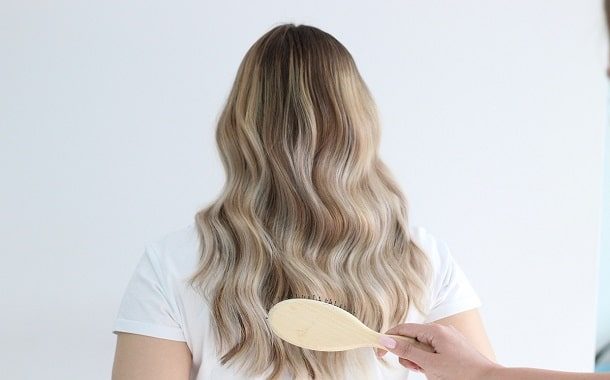
Want to give your hair a subtle, natural-looking boost of dimension? A balayage may be the perfect option. This hand-painted highlighting technique produces soft, flawless color gradients that brighten your look. But before booking your balayage appointment, it helps to understand How much Balayage costs and what impacts the price.
In this guide, we’ll break down the average cost of balayage highlights based on factors like hair length, colorist experience, and service extent. You’ll also learn what’s included in the service, how long results last, and when it’s worth going to the salon over DIY options. Let’s explore everything influencing balayage costs.
How Much Does Balayage Cost?
A full balayage, with highlights painted throughout all your hair, costs $140 to $452 depending on your provider, area, and specific requests. Most pay around $193. Partial balayage appointments, with highlights focused only on select sections such as framing the face, are cheaper at $101 to $222 typically.
Below are the average prices for full and partial balayage sessions in various states:
| State | Average Appointment Cost 1 | Average Appointment Cost 2 |
|---|---|---|
| AL | $400 | $115 |
| AR | $218 | $150 |
| AZ | $241 | $160 |
| CA | $208 | $197 |
| CO | $178 | $152 |
| CT | $211 | $116 |
| FL | $180 | $163 |
| GA | $220 | $149 |
| IA | $171 | $138 |
| ID | $208 | $153 |
| IL | $152 | $138 |
| IN | $169 | $130 |
| KS | $218 | $157 |
| KY | $120 | $112 |
| LA | $166 | $103 |
| MA | $192 | $164 |
| MD | $177 | $153 |
| ME | $195 | $188 |
| MI | $152 | $123 |
| MN | $158 | $139 |
| MO | $170 | $159 |
| MS | $116 | $100 |
| MT | $179 | $168 |
| NC | $153 | $138 |
| NH | $452 | $341 |
| NJ | $360 | $326 |
| NM | $150 | $225 |
| NV | $222 | $166 |
| NY | $276 | $264 |
| OH | $162 | $159 |
| OK | $122 | $186 |
| OR | $178 | $148 |
| PA | $300 | $222 |
| RI | $100 | $125 |
| SC | $275 | $118 |
| SD | $120 | $165 |
| TN | $150 | $101 |
| TX | $228 | $177 |
| UT | $157 | $172 |
| VA | $229 | $143 |
| WA | $166 | $169 |
| WI | $155 | $154 |
| WV | $163 | $120 |
StyleSeat reports that balayage can cost between $76 and $452, depending on various factors such as hair length, history, and location. The average cost of a full balayage is $193, according to this website.
The Hair Standard notes that the starting cost for balayage in Las Vegas is $200, with the final price determined after a consultation.
According to Curl Centric, typically, balayage costs between $70 to $300, with the price varying based on the salon and stylist. A full balayage treatment can cost anywhere from $76 to $452.
Behind The Chair states that different stylists have different pricing for balayage, with typical prices ranging from $70 for a partial to $130 for a full-head or ombré balayage.
Beardoholic also has an article on balayage, pointing out that the average cost of a full balayage ranges from $76 to $452, with the average price being around $193. Prices can vary by state, with costs ranging from $171 to $400 for a full balayage.
Factors Affecting the Balayage Price
Your final quote depends on a few factors:
- Colorist’s skill level – Master colorists charge more
- Salon’s prestige and location – Premium urban salons cost more
- Local supply and demand – More appointments available in some areas keeps prices lower
- Your hair length and thickness – More hair takes more time, skill and product
- Hair health and color history – May require extra conditioning or correction steps
- Number of highlights – More color means higher product needs
Also consider optional add-ons boosting the price like styling, haircuts, and gloss treatments.
How Colorists Calculate Cost for Balayage
Pricing approaches vary by salon. Some common methods include:
- Hourly rate plus materials fee
- Charging by the foil or section
- Set package prices based on hair length
Don’t focus just on the price. A $75 balayage from an inexperienced stylist risks a patchy, orange result requiring extensive correction. Carefully vet each colorist’s skills first through reviews and examples of their work.
What is Balayage?
Balayage is a French term for hair that is lightened with sweeping, brush-like strokes. Unlike full highlights, color is hand-painted onto only sections of each strand, typically from mid-shaft down rather than root to tip. This creates a soft, natural look.
While balayage has been around for ages, it recently regained popularity after celebrity red carpet sightings. More stylists now offer this service to meet demand.
How to Pronounce Balayage?
One tricky part of balayage is pronunciation. Knowing how to correctly request this treatment instills confidence when booking appointments.
Balayage is pronounced:
BAH-LEE-AHGE – Emphasize the last syllable, with the middle syllable muted.
or
BAH-LAY-AHGE – Both are correct, but the first is more common.
Also read about the cost of Cornrows, Sport clips haircuts, and hair extensions.
How Long Should Your Balayage Highlights Last?
With proper at-home care between appointments, a balayage lasts 3-4 months before new growth becomes noticeable. That’s longer than traditional foiled highlights since color is artfully blended into the hair shaft.
To extend vibrancy between touch-ups:
- Wash less frequently
- Use sulfate-free, color-safe shampoos and conditioners
- Protect hair from sun damage with hats or products
Those covering grays may require more frequent upkeep as contrast becomes more apparent. But well-blended balayage disguises new growth nicely.
Differences Between Balayage, Ombre, and Foil Highlights
While often used interchangeably, they are still pretty different:
- Balayage – Hand-painted highlights from mid-lengths down
- Ombre – Dark roots transitioning gradually into light ends
- Foil Highlights – Small sectioned pieces wrapped in foil before applying color
Balayage and ombre both utilize freehand techniques. But balayage involves painting on highlights in thin wispy strokes all throughout the hair. An ombre focuses color mainly on the bottom half.
Is Balayage the Right Highlighting Technique For You?
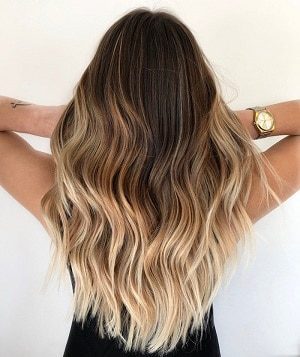 Balayage creates subtle, natural-looking lightness if you want just a touch of sun-kissed flair. The soft color blending also means less upkeep than foils or ombré. This makes it a top choice for low-maintenance dimensions.
The hand-painted hair coloring technique works great with all hair colors and textures. Whether you have dark brunette, light brown, blonde, or red locks, balayage adds depth while keeping some darker pieces contrasting throughout. It’s especially gorgeous on wavy and curly manes, amplifying texture beautifully.
Balayage works on short to long hair styles. The only lengths it can’t accentuate are very cropped pixie cuts. In general, both shorter and longer hair benefits from balayage.
Since it’s done freehand, balayage demands skill. Seek out stylists specifically trained and experienced in the balayage technique. They’ll take care gradually painting on color to meet your goals. Don’t hesitate to ask prospects about their balayage background.
If you want just a touch of natural hair color lightness without a dramatic change, balayage likely fits the bill. Just ensure your colorist can deliver the specialized artistry it requires.
Should I Get My Balayage at Home or the Salon?
Visiting an experienced colorist ensures a great result and healthy hair. Avoid box dyes which rarely mimic the depth and dimension of professional balayage. The risks include:
- Brassy uneven tones
- Skin and scalp irritation
- Excess damage if lightening dark hair without care
Even correcting a botched at-home balayage at a salon gets more expensive than getting the help of a professional right from the start. Protect your investment by visiting the experts.
How Long Balayage Hair Results Last
With proper at-home care, balayage touch-ups are only needed every 3-4 months. The amazing color blending provides a longer-lasting dimension than traditional highlights. Use color-safe shampoos and limit washing to maintain vibrancy.
Getting Budget-Friendly Balayage
Despite varying rates, you can maximize value by:
- Asking about discounts for first-time clients
- Comparing pricing between reputable salons
- Scheduling balayage touch-ups before 8 weeks of noticeable growth
- Adding a trim or gloss treatment at your appointment to consolidate costs
Final Words
You can achieve expensive-looking balayage highlights for roughly $100-$200 per appointment. While DIY kits seem cheaper, the risks of hair damage or poor color results aren’t worth the gamble. Save time and avoid corrections by partnering with a colorist committed to realizing your vision.

Leave a Reply
Want to join the discussion?Feel free to contribute!