
How Much Does a Rooster Cost?
Updated on | Written by Alec Pow
This article was researched using 14 sources. See our methodology and corrections policy.
A rooster can cost as little as $3 to $14 as a common or ornamental day-old male chick, while rare specialty chicks can cost $69 to $149+ each. Locally raised adult roosters can sometimes be inexpensive too. A recent 2026 private-sale example listed a mature rooster at $25. Proven breeding, exhibition, imported-line, and hard-to-find birds can cost considerably more, but there is no reliable national $2,000 ceiling that applies to rare roosters.
Current Rhode Island Red chick pricing lists males at $3.85 in quantities of one to five, compared with $7.15 for females. A current Jersey Giant hatchery listing prices males at $4.22 in small quantities. The bird itself can therefore be one of the cheapest parts of adding a rooster to an existing flock.
One important correction: hens do not need a rooster to lay eggs. A rooster is needed when the goal is to produce fertilized eggs that can develop into chicks. Penn State Extension’s updated poultry reproduction guidance confirms that roosters are unnecessary for ordinary table-egg production.
Article Highlights
Jump to sections
- Common day-old male chicks currently cost about $3 to $14 in the hatchery examples reviewed.
- Rare specialty chicks can cost $69 to $149+ each before shipping or minimum-order requirements.
- A rooster does not make hens lay eggs. He is needed if you want fertilized eggs for hatching.
- A $4.22 male chick may still require a multi-bird hatchery order, so the bird price is not necessarily the checkout total.
- Using current feed prices and an adult-chicken intake benchmark, base feed for one bird can work out to only a few dollars per month.
- Adult-bird shipping can cost much more than the bird itself, making local pickup financially attractive when a suitable bird is available.
- If you already own hens and suitable housing, adding one rooster can be inexpensive. Starting a flock from zero can turn housing into the largest cost.

How Much Does a Rooster Cost?
| Type of rooster | Current price signal | What affects the price |
|---|---|---|
| Common day-old cockerel | $3 to $5 | Production breed, hatchery, order quantity, sexing and availability |
| Ornamental or exhibition-breed male chick | About $13 to $14 in a current sexed bantam example | Breed, color variety and sexing availability |
| Local young or adult rooster | Quote-specific, with a current private-sale example at $25 | Age, breed, temperament, local supply and breeding value |
| Rare specialty chick | $69 to $149+ | Imported genetics, rarity, breeder program and availability |
| Proven breeding or exhibition adult | Highly variable | Pedigree, conformation, fertility, show results, scarcity and seller reputation |
The current Black Jersey Giant price sheet shows why male chicks are often cheaper than females. Males are $4.22 each for a small order, while females are $6.49. The female costs $2.27 more, or about 54% more than the male in that example.
The difference is even larger in the Rhode Island Red example above. A $7.15 female costs $3.30 more than the $3.85 male, an increase of about 86%. Hatcheries serving the egg-laying market often have stronger demand for female chicks.
What You’re Actually Buying
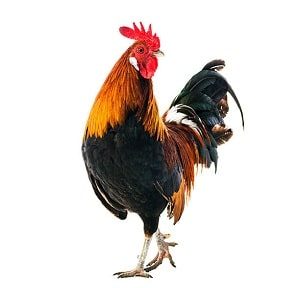
A rooster is an adult male chicken. A young male is commonly called a cockerel. Backyard keepers may add one for breeding, flock behavior, exhibition, preservation of a particular bloodline, or because they simply want a male bird in the flock. The purchase should not be confused with buying an egg-producing chicken because the rooster itself does not lay eggs.
If the objective is breeding, the useful traits are not limited to color. Breed identity, health history, fertility, temperament, physical structure, genetic relationship to the hens, and the breeder’s selection program can all matter. A cheap surplus cockerel and a carefully selected breeding male may therefore have very different values even when they are the same age.
For someone building a flock rather than buying only a male, compare the rooster with the broader cost of live chickens. The purchase price of one bird can become minor once housing, feed, fencing and flock care are included.
Common Breeds vs Rare Roosters
Standard hatchery males can be surprisingly inexpensive. A sexed Barred Old English Game Bantam male currently costs $13.49 through one ornamental and exhibition-breed listing. This provides a better current comparison than old claims that ordinary game-breed roosters routinely cost hundreds of dollars.
Rare imported or specialty genetics are a different market. Greenfire Farms currently lists an Ayam Cemani day-old chick at $69, or $99 for a newer imported bloodline. These chicks are sold unsexed, so paying the chick price does not guarantee a rooster.
The same breeder’s Dong Tao listing prices an unsexed chick at $149 and requires a six-chick minimum that can be met by mixing qualifying breeds. Six Dong Tao chicks at the listed price would cost $894 before any shipping charge. The breeder also lists a $500 waitlist deposit that is credited to the future order rather than added on top.
This is a better way to discuss expensive chickens than claiming every rare mature rooster can cost $2,000. Truly exceptional breeding or show birds may sell privately for high prices, but the value is bird-specific and should be supported by an actual sale or breeder quote.
How Much Does It Cost to Feed a Rooster?
Feed does not necessarily cost $10 to $20 per month for one ordinary rooster. Current feed prices and normal chicken consumption suggest a lower base cost in many cases.
Roosters should not automatically be treated as laying hens nutritionally. Purina’s rooster feeding guidance notes that males require less calcium than laying hens and recommends an all-flock type ration when managing males and females together, with separate calcium available to laying hens as needed.
A 50-pound bag of current Flock Raiser feed is listed at $27.99, or about $0.56 per pound. Feed prices vary by retailer and formulation.
Mississippi State Extension reports that an average adult laying chicken consumes roughly one-quarter to one-third of a pound of feed per day in its poultry feeding guidance. Rooster intake varies with breed, body size, weather and activity, so that hen figure is best used as a planning benchmark rather than a guaranteed rooster ration.
At one-quarter pound per day, a bird consumes about 7.5 pounds in 30 days. At $0.56 per pound, that is about $4.20 per month or $51.10 per year. At one-third pound per day, the same feed costs roughly $5.60 per month.
Waste, premium feeds, treats and small package sizes can push the bill higher. Free-ranging can provide insects and vegetation, but it should not be treated as a reason to stop supplying a balanced ration.
Shipping and Minimum Orders
 A low hatchery price does not mean a buyer can order one chick for that amount. The Jersey Giant listing above allows one male but requires a total shipment of at least three birds. This helps explain why a $4.22 cockerel can produce a much larger checkout total.
USPS rules distinguish day-old poultry from adult birds. Under the current live-animal mailing standards, day-old chickens must be no more than 24 hours old when presented for mailing and must meet packaging and delivery-time requirements. Adult disease-free chickens can be mailed domestically under separate rules and must use Priority Mail Express.
Shipping an older live bird can be expensive. A current started-chicken shipping example lists the bird itself at $46 but one-bird shipping and handling at $231. That example is a pullet rather than a rooster, but it demonstrates why shipping a grown live chicken can cost several times the animal’s purchase price.
For a buyer who needs only one adult rooster, a suitable local bird may therefore be financially better than ordering one from a distant breeder. A 2026 local adult-rooster listing offered birds at $25 each. Private listings are anecdotal rather than national pricing data, but they show how different the local rehoming market can be from specialty breeder pricing.
Housing and Other Hidden Costs
If you already maintain hens in a secure coop and the flock can safely accommodate a rooster, the incremental housing cost may be close to $0. Someone starting from scratch faces a very different budget.
Current prefabricated chicken-coop listings range from roughly $160 to $210 at the low end to around $350 to $850 for many small and medium options, with larger premium coops running above $2,000. Fencing, a predator-resistant run, feeders, waterers and bedding can add more.
Housing should therefore be treated as a flock setup cost rather than assigning the entire coop price to one rooster. If six hens already use a suitable coop, adding a rooster does not suddenly make that existing structure a new $500 rooster expense.
Local rules can create another hidden constraint. Penn State Extension advises poultry keepers to check zoning, property-association and local rules before obtaining birds, and notes in its backyard poultry guidance that some municipalities prohibit roosters because of noise complaints. A buyer should check the rules before paying for a bird or building housing.
Three Rooster Cost Scenarios
Common chick added to an existing flock
A Rhode Island Red male at $3.85 is inexpensive if the buyer is already making a qualifying hatchery order and has suitable housing. Using the $0.56-per-pound feed example and a 7.5-pound monthly planning quantity, 12 months of adult-level feed would be about $50.40. Purchase plus that simplified feed calculation is only about $54.25, before chick-stage feed, shipping, bedding, veterinary needs or shared flock costs.
Worked example: rare-breed chicks
Six Dong Tao chicks at $149 each cost:
- 6 chicks × $149: $894
- Published waitlist deposit: $500, credited toward the order
- Remaining bird balance after an applied $500 deposit: $394
- Total chick price: $894, before applicable shipping
The deposit should not be double-counted as a separate $500 fee. The bigger financial uncertainty is that the chicks are unsexed, so the buyer is not purchasing six guaranteed roosters.
Starting from zero
A person buying a $25 local rooster but needing a $500 coop has already reached $525 before fencing, feed, feeders or waterers. In that situation, the rooster represents less than 5% of the first two listed expenses. Housing, not the bird, drives the startup bill.
When Buying a Rooster Makes Sense
Makes sense if:
- You want fertilized eggs for hatching or have another clear reason for maintaining a male.
- Your local rules permit roosters.
- Your existing flock has suitable space and the bird’s temperament fits the group.
- You understand the breeder’s minimum order, shipping, sexing and live-arrival policies.
Does not make sense if:
- You only want table eggs and believe hens require a rooster to lay.
- Your city, county or HOA prohibits roosters.
- You are buying multiple chicks only to obtain a bulk discount when you need one bird.
- You are paying a rare-breed premium when an ordinary healthy breeding male will meet your needs.
Anyone undecided about permanent poultry ownership can compare these expenses with the cost to rent chickens. Buyers specifically interested in unusual backyard breeds can compare the premiums with the cost of Silkie chickens.
What We Verified
- Checked current hatchery sex-specific pricing and confirmed that male chicks can cost substantially less than females in common laying breeds.
- Confirmed that hens lay eggs without a rooster and that a male is required when the goal is fertilized eggs for incubation.
- Cross-referenced current poultry-feed pricing and extension feed-consumption data before calculating monthly feed scenarios.
- Verified current USPS rules that treat day-old poultry and adult-bird shipments differently.
- Confirmed that current breeder minimum orders can make the checkout total substantially higher than the advertised price of one male chick.
Answers to Common Questions
How much does a rooster cost?
Common male chicks can cost about $3 to $14 in current hatchery examples. Rare specialty chicks can cost $69 to $149+, while adult and proven breeding roosters are priced individually by local sellers and breeders.
Do hens need a rooster to lay eggs?
No. Hens lay eggs without a rooster. The rooster is needed if you want those eggs fertilized so they can potentially hatch into chicks.
How much does it cost to feed one rooster per month?
Using current feed pricing and an adult-chicken intake benchmark gives a base calculation of roughly $4 to $6 per month for one bird. Actual consumption and feed price vary.
Why are some roosters cheaper than hens?
Female chicks can command higher prices in egg-laying breeds because buyers often want future layers. In one current Rhode Island Red example, a female costs $7.15 compared with $3.85 for a male.
Is it cheaper to buy a rooster locally?
It can be. Hatchery minimums and live-bird shipping can dwarf the bird price. Local pickup can avoid those charges when a healthy, suitable bird is available.
Disclosure: Educational content, not medical advice. Pricing varies by provider, location, and insurance. Confirm eligibility, coverage, and out-of-pocket costs with a licensed clinician and your insurer. See our methodology and corrections policy.