
How Much Do Beef Short Ribs Cost?
Last Updated on February 16, 2024
Written by CPA Alec Pow | Content Reviewed by  CFA Alexander Popinker
Beef short ribs are a classic cut of meat that can be the star of any barbecue. With their rich, beefy flavor and tender texture when cooked low and slow, short ribs make a memorable meal. But quality beef doesn’t come cheap. If you’re wondering how much to budget for beef short ribs, read on for a breakdown of pricing, cost factors, and money-saving tips.
How Much Do Beef Short Ribs Cost?
Beef short ribs prices can vary quite a bit depending on the quality, cut, and source. At retail grocery stores, expect to pay anywhere from $4.99 to $12.99 per pound. Pricing is also affected by whether you buy individual bone-in ribs or plates of boneless ribs.
On the lower end, you may find conventionally raised short ribs for $5 to $7 per pound at regular supermarkets and wholesale clubs. Step up to natural, grass-fed, or organic ribs and you’ll pay a premium of $8 to $13 per pound at specialty grocers or high-end markets. Buying direct from a butcher can land you in the middle ground around $6 to $10 per pound.
At Red Barn Meats Inc., for example, Boneless Beef Short Ribs cost $5.79 per pound.
Reddit users reported prices range from $4.99 to $12 per pound for beef short ribs.
Users on Pellet Fan reported the price of beef short ribs is $4.99 to $5.99 per pound for beef short ribs.
Factors Affecting the Price of Beef Short Ribs
Several key factors impact the price you’ll pay for beef short ribs:
Seasonality
Like many beef cuts, short rib prices fluctuate based on supply and demand. They tend to be cheapest in the colder months from late fall through winter when consumer demand declines. Expect to pay 10-15% more in peak grilling season between May and August.
Location
Where you live can significantly influence short rib costs. Prices are often lower year-round at butchers and grocers in states with high beef production like Texas and Kansas. Big cities like New York and San Francisco will be on the pricier side.
You might also like our articles about the cost of bacon, pork belly, or alligator meat.
Farming Practices
Organic, grass-fed, and sustainably raised beef comes at a premium over conventional commodity beef from feedlots. Smaller-scale ethical farming practices mean higher costs that lead to higher retail pricing. The quality difference may be worth it for some.
Finding the Best Beef Short Rib Deals
Luckily, there are ways to get your hands on quality short ribs without breaking the bank:
- Buy in bulk – Look for rib plates sold in packs of 4 or more pounds to save $1-2 per pound. Divide into smaller portions and freeze extras.
- Know the cheap cuts – Opt for chuck short ribs over the pricier back ribs for better value. Or choose boneless ribs that cost less per pound than bone-in.
- Shop seasonally – Buy bigger quantities in late winter when prices bottom out, then stock your freezer.
- Ask the butcher for deals – Building relationships can help you score specials, bulk discounts, and insider tips.
Comparing Quality and Price
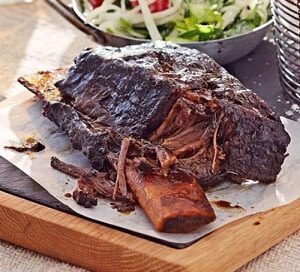 Higher short rib prices can deliver a return on investment in terms of richer flavor and tenderness. Here are two of the biggest factors:
Grass-Fed vs. Grain-Fed
Grass-fed beef has a robust, beefy taste thanks to the cattle’s foraged diet. It costs $2-5 more per pound but offers a more concentrated, almost minerally flavor.
Grain-fed ribs are mildly beefy with supple fat and a buttery richness from corn and grains. The more affordable price makes them a budget-friendly choice.
Wet-Aged vs. Dry-Aged
Wet-aged ribs are vacuum-sealed to tenderize the meat for 2-4 weeks. This standard aging costs minimal extra.
Dry-aged ribs are hung uncovered in climate-controlled rooms for 30-60 days. More concentrated flavor comes at a 50-100% markup for the specialized process.
Incorporating Short Ribs into Meal Budgets
Serving up succulent braised short ribs doesn’t have to derail your grocery budget. With smart planning, you can savor this special cut without breaking the bank.
- Stretch expensive meats like short ribs by incorporating into stews, casseroles, pasta dishes, or salads. A little goes a long way.
- Plan other affordable meals in the same week to balance out higher costs for short ribs.
- Watch portion sizes – 3-4 oz. per person keeps dinner budgets reasonable for a pricier cut.
Conclusion
The retail cost for beef short ribs can range fairly widely from $5 to $13 per pound depending on quality, cut, and sourcing. Opting for budget-friendly chuck short ribs, buying in bulk, and sticking to sales can help trim expenses. At the higher end, splurging on specialized ribs delivers richer flavor. With smart shopping and meal planning, short ribs can be an occasional affordable treat.
Frequently Asked Questions
Are beef short ribs worth it?
Yes, beef short ribs are worth the higher price compared to other beef cuts. When cooked properly, their rich marrow, tender meat, and full beefy flavor deliver one of the most delicious, fall-off-the bone meat eating experiences.
The high collagen content makes them perfect for slow braising. While costing more than roasts or ground beef, short ribs provide superior texture and taste that justifies the extra cost for an occasional special meal.
How many beef short ribs per kg?
On average, there are about 5-7 bone-in beef short ribs per kilogram, depending on the thickness and exact size of the cut ribs. Since most short ribs weigh between 225g to 450g each, a typical 1 kg pack would contain 4-5 ribs.
However, meat cutting styles can vary regionally, so rib counts per kilogram may range from 3 large ribs up to 8 thinner-cut ribs. When purchasing short ribs, it’s more reliable to use the accurate weight rather than rib count.
Are short ribs hard to eat?
Properly prepared short ribs are very tender and not difficult to eat. The long cooking times required to braise or grill short ribs helps break down the tough connective tissues. The end result should be ribs that are fall-apart tender.
The bone-in structure can make short ribs slightly trickier to eat neatly than boneless cuts. But the bones impart great flavor and most diners enjoy gnawing the meat right off the bones. Take your time and savor short ribs bite by juicy bite. The rich experience is worth the minimal extra effort.

I checked with 4 of my local meat markets, and none of them were selling beef short rib racks for less than $9/lb. It’s a big wallet hit to go buy a 70lb box and I’d need another deep freeze to store them.