
How Much Does a Coke Freestyle Machine Cost?
Last Updated on January 23, 2024
Written by CPA Alec Pow | Content Reviewed by  CFA Alexander Popinker
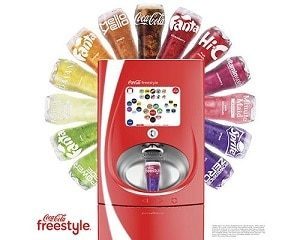
The Coca-Cola Freestyle machine represents an innovative leap in beverage dispenser technology. With its sleek design, interactive touchscreen interface, and extensive drink variety options, the Freestyle machine delivers a modern soda fountain experience.
But how much does this impressive piece of equipment cost to bring into your business? This article breaks down the price factors and key benefits that smart business owners consider when budgeting for a Coke Freestyle investment.
How Much Does a Coke Freestyle Machine Cost?
The upfront capital expenditure to purchase a brand-new Freestyle unit from Coca-Cola costs between $18,500 and $32,000 per machine depending on selections and customization.
Prices have decreased over the years as manufacturing scales. But technology sophistication still carries a premium price tag.
Installation – Professionally running water lines, electric conduits, drainage for multiple tanks and prepping necessary ventilation usually tacks on an extra $1,500 to $3,000 depending on site complexity.
Accessories & Wraps – While optional, many operators invest another $500 to $5,000 in extras like custom graphics/wraps, additional CO2 tanks for busier sites, stands and more.
Factoring in all costs, for a turnkey purchase and install, putting a Coca-Cola Freestyle machine into active operation runs most businesses $20,000 to $40,000+. That upfront capital investment is no small financial decision.
A Reddit user mentioned that the smaller countertop units cost about $21,000 and use small flavoring mixers. Leasing costs were also discussed, with a user stating that the 7000/7100 model went up to a little above $300 monthly, and the 8000/8100 and 9000/9100 models are at least twice that per month. The leasing cost can vary based on the account and the type of soda machine.
Coca-Cola Freestyle Technology
Let’s explore what makes the Freestyle machine such a category-defining beverage innovator.
Unlike traditional soda fountains restricted to a few taps of standard Coca-Cola products, the Freestyle dispenser can produce over 200+ drink options out of a single unit. It accomplishes this through a patented, internal ingredient cartridge system designed by Coke product developers and engineers.
Some highlights of Freestyle capabilities:
- Touchscreen interface allows self-serve drink customization
- Options range from sodas to flavored waters to sports drinks and more, including popular drinks like Fanta, Coke Zero, Sprite Zero, and Diet Coke
- Precise ingredient measurement and mixing for consistency
The intuitive user experience and vast drink personalization delivered in a compact, attractive package make Freestyle dispensers stand out as a showcase piece for any restaurant, convenience store or office breakroom.
Commercial Benefits of Freestyle Machines
There are many good reasons food service locations make the switch to a Freestyle unit. The machine isn’t just a flashy gadget – it’s a smart business investment that offers tangible benefits:
Customer Experience – The visually engaging Freestyle machine is a crowd-pleasing novelty that delights guests. The self-service format empowers customers to become their own bartenders mixing fun combinations. This feeling of personalized control and joy of discovery encourages longer dwell times in establishments.
Increased Revenue – More drink choices, larger serving sizes, and creative mixes get people thirsty for more. Owners report upticks in Coca-Cola beverage sales growth of 30% or higher after installing a Freestyle system.
You should also read about the cost of Home Depot truck rental, business launch, and idea patenting.
Lower Overhead – No need to store and maintain a massive inventory of syrup boxes and disposable CO2 cylinders like traditional fountain setups require. Freestyle machines leverage cost-efficient, compact ingredient cartridges.
Competitive Differentiator – With over 50,000 units globally, Freestyle machines still have relative exclusivity that makes any location stand out. It’s a cutting-edge amenity customers seek out and talk about.
Those core benefits motivate thousands of quick serve restaurants, convenience marts, entertainment venues, and workplaces to invest in Freestyle equipment yearly.
Leasing as an Alternative to Buying Outright
Given the high hardware costs, roughly 80% of Freestyle placements occur through multi-year leasing agreements with Coca-Cola authorized distributors. This removes the large upfront capital burden for businesses.
Typical Lease Terms – Standard contracts span 5-7 years with a monthly lease fee averaging $200 to $600 per month depending on the vending machine selected. The fee includes maintenance. Buyout options are available following the initial term.
Volume Requirements – These leases do come with minimum soda volume sales requirements to ensure profitability for distributors based on the equipment value tied up. If monthly volumes repeatedly fall below thresholds in the 500+ unit range, penalties may apply.
In most situations leasing spreads out costs in a more accessible way than outright equipment purchases. And volume requirements prompt businesses to actively market and promote the Freestyle system to maximize ROI. It aligns incentives.
Installation and Upkeep Costs
While leases include maintenance, operators investing in full machine purchases do take on additional ownership duties.
Facilities Preparation – As highlighted earlier, preparing a site for Freestyle requires plumbing, electrical, ventilation and drainage infrastructure tailored to the specialized equipment. Coke Freestyle costs scale based on the complexity of integrating these structural elements.
Cleaning & Sanitizing – Proper daily, weekly, quarterly, and annual cleaning protocols following Coke standards keep these machines in tip-top shape. Staff/management training is imperative. Chemicals, brushes, hoses, and other cleaning accessories represent an ongoing maintenance investment as well.
Ingredient Cartridges – Another consumable cost for operators is replenishing the proprietary Freestyle flavor and base CO2 ingredient cartridges that get depleted with each drink poured. Cartridge packs priced by the Coca-Cola company are distributed based on regional distributor contracts.
While not prohibitively expensive, they do represent an investment that should be planned for.
Applications Across Business Settings
The unique benefits Coke Freestyle machines bring explain why over 50,000 units have been installed globally. The machines tailor well to diverse settings.
Quick Service Restaurants – The leading use case is QSR chains like Burger King, Firehouse Subs, McDonald’s, and Subway that leverage Freestyle machines as a guest differentiator. Their promotions also convert new drinkers to loyal customers.
Convenience Stores – Forward-thinking convenience marts and gas stations install Freestyle units to boost foot traffic, sales, and repeat visits in an increasingly competitive landscape being shaken up by trendy new convenience concepts.
Entertainment Venues – Stadiums, movie theaters, theme parks and other hospitality locales also integrate Freestyle innovations to delight guests as part of larger experiences people are spending discretionary income on.
Evaluating the ROI opportunity across any business environment is the most important first step identifying if Freestyle makes strategic sense. There must be a visible upside.
Impressions That Pay Dividends
While the price induces some initial shock, casting Freestyle dispensers strictly as a cost center is short-sighted. Their theatrics provide unique experiential value.
The way Freestyle equipment engages customers through cutting-edge novelty and whimsy that encourages social sharing for free word-of-mouth marketing makes the systems metaphorical “influencers” for operators. Their cachet and shareability cradles broad commercial potential beyond just liquid refreshment sales.
Forward-looking owners rightly view Freestyle dispensers as business investments rather than pure equipment expenditures. The halo effects and operational efficiencies ripple positively across organizations in many ways from marketing to operations.
Weighing the Variables
Budgeting six figures for cutting-edge soda fountains embodies significant decision-making spanning financial, operational, and customer considerations. Businesses must run the numbers in the context of their specific goals.
However, the range of models, customization configurations, leasing structures, and ownership alternatives makes getting Freestyle machines potentially attainable for more enterprises – if the upside chance is visible.
When the models, terms and use cases align favorably, these machines unlock invaluable opportunities.
FAQs: Freestyle Machine Details
How does the Coca-Cola Freestyle machine work?
Freestyle machines use an ingenious system of ingredient cartridges and precision internal tubing to mix flavors and base ingredients to assemble custom coca-cola drink products selected by users on the touchscreen.
How many flavors are in a Coke Freestyle machine?
Current Freestyle models hold enough ingredient cartridges internally to offer users over 200+ beverage variety options encompassing both fountain soda flavors and other beverage types. New options get frequently added also based on consumer trends.
How do you lock a Coke Freestyle machine?
Freestyle interface includes administrator settings to lock machines from dispensing drinks during closed hours. An unlock passcode gets entered at opening time to reactivate service after locks engage.
How do you clean a Coke Freestyle machine line?
Thorough manual cleaning processes following Coca-Cola protocols with brushes, hoses, and cleaning detergents maintain sterilization. Scheduling quarterly deep cleans by service technicians optimizes equipment hygiene as well.

Leave a Reply
Want to join the discussion?Feel free to contribute!