ThePricer Media
  • Latest: The Cost to Cool an AI Data Center
  • Cost Guides
  • News & Investigations
  • Daily Price Puzzle (60s)
  • Methodology
  • Press & Mentions
  • Contact
  • Click to open the search input field Click to open the search input field Search
  • Menu Menu
Business, Family & Lifestyle, Fashion, Services

How Much Does it Cost to Dry Clean a Leather Jacket?

Updated on August 4, 2026 | Written by Alec Pow
This article was researched using 12 sources. See our methodology and corrections policy.

Professional leather-jacket cleaning generally costs $50 to $120 in 2026. A simple waist-length jacket made from finished leather may cost $40 to $75, while suede, nubuck, shearling, designer jackets, long coats, heavy staining, or specialist restoration can raise the price to $100 to $250+.

Cleaning and restoring a badly worn vintage jacket can cost $250 to $500+ once odor removal, recoloring, lining work, tear repairs, or zipper replacement are added. This is why a cleaner should inspect the garment before providing a final quote.

Although consumers commonly call the service “dry cleaning,” leather garments should not be handled like ordinary wool or polyester clothing. A local dry cleaner may accept the jacket at the counter, but many shops send leather and suede items to a specialist facility that cleans, conditions, refinishes, and dries them using material-specific methods.

Article Highlights

Jump to sections
  • Current Leather Jacket Cleaning Prices
  • Why Leather Costs More
  • What Leather Cleaning Includes
  • Leather Type Changes the Price
  • Stains, Odors, Smoke, and Mold
  • Repairs and Restoration
  • Does Recoloring Cost?
  • Basic leather-jacket cleaning usually costs $50 to $120 (at $30 per hour, earning that amount would take about 1.7 to 4 hours of work, before taxes).
  • Suede or nubuck commonly costs $60 to $140+.
  • Shearling, designer, and long leather coats may cost $100 to $250+.
  • Recoloring or refinishing can add $75 to $300+.
  • A full zipper replacement commonly costs $100 to $250+.
  • Specialist cleaning may take one to four weeks.
  • Never machine wash, soak, or tumble dry a genuine leather jacket.
Leather Jacket Dry Cleaning Cost

Current Leather Jacket Cleaning Prices

Leather garment or service Typical 2026 price
Basic waist-length leather jacket $40 to $75 (about 1.3 to 2.5 hours of work at $30 per hour)
Heavy or long leather coat $70 to $140+
Suede or nubuck jacket $60 to $140+
Designer or embellished leather jacket $90 to $175+
Shearling or mixed leather-and-fur coat $100 to $250+
Cleaning with odor or stain treatment $75 to $175+
Cleaning with recoloring or restoration $125 to $350+

A 2025 leather-apparel pricing guide from Daniel Smart Manufacturing places professional cleaning around $40 to $100, with higher charges for suede, nubuck, embellishments, and delicate construction. A separate 2026 market guide from LatestCost similarly notes that leather type, condition, finish, and local labor rates shape the final quote.

These figures are planning ranges rather than a universal menu. Some cleaners publish a starting price but reserve the right to adjust it after inspecting stains, fading, glued trim, mixed materials, damaged linings, or previous repairs.

Related guides

  • How Much Does It Cost to Dry Clean a Suit?
  • How Much Does an Armband Tattoo Cost?
  • How Much Does a Mink Coat Cost?

Why Leather Costs More

Leather is animal hide rather than woven fabric. Its color, softness, surface finish, and flexibility depend on oils, dyes, tanning chemistry, coatings, and the natural differences between individual sections of hide. A treatment that works on a dark pigmented motorcycle jacket may permanently mark a pale aniline jacket or flatten the nap on suede.

The Federal Trade Commission recognizes this difference in its garment-care terminology. Its Care Labeling Rule guidance defines “leather clean” as having the item cleaned by a professional using special leather or suede methods. The FTC’s care-label instructions also allow garments to warn that they cannot be safely washed or conventionally dry cleaned.

The Professional Leather Cleaners Association represents specialist businesses that clean leather, suede, fur, and related garments for local dry cleaners. This outsourcing model explains why a neighborhood shop may require several weeks rather than processing the jacket overnight.

The specialist may first test the dye, identify the finish, inspect the lining, document existing scratches, and determine whether the buttons, adhesives, painted panels, embroidery, or hardware can tolerate the planned process. Cleaning can then be followed by conditioning, color balancing, hand finishing, and controlled drying.

What Leather Cleaning Includes

A standard service normally begins with a condition inspection. The cleaner looks for fading, grease, perspiration, dye transfer, previous recoloring, weak seams, cracking, adhesive failure, and damage hidden beneath the collar or cuffs. Existing imperfections should be recorded so they are not confused with cleaning damage later.

The jacket is then cleaned using a method selected for its leather type and finish. Smooth, protected leather may tolerate a controlled cleaning system that would be unsuitable for absorbent aniline leather. Suede and nubuck require techniques that preserve and restore their textured nap.

After cleaning, many specialists apply an appropriate conditioning or finishing treatment. Sunshine Cleaners explains that professional leather care requires knowledge of dyes, pigmentation, garment construction, and natural hide characteristics. The objective is not to make natural scars or grain variations disappear but to clean the garment without destroying its appearance and flexibility.

Conditioning is not automatically the same as pouring generic oil onto the jacket. The product and amount must suit the leather. Too much conditioner can darken the surface, soften a structured jacket, leave greasy patches, or affect glued components.

Leather Type Changes the Price

Finished or pigmented leather is the most common jacket material and usually occupies the lower end of the price range. Its protective coating provides some resistance to water and staining, although damaged or worn finishes still require care.

Aniline and semi-aniline leather retain a more natural appearance but absorb moisture and oils readily. Cleaning can reveal permanent staining or create uneven color changes, so these jackets often require testing and hand finishing.

Suede and nubuck have a raised, textured surface that can flatten, darken, or develop rings when cleaned incorrectly. Their nap must be brushed and restored, which is why specialist suede cleaning commonly costs more than basic smooth-leather service.

Shearling combines a leather exterior with wool or fleece on the reverse side. Both surfaces must be cleaned without shrinking, matting, or stiffening the coat. Long shearling coats are therefore among the most expensive garments in this category.

Faux leather does not follow the same rules as genuine leather. Polyurethane coatings can peel or separate with age, heat, and solvent exposure. A cleaner may refuse an older faux-leather jacket because the coating is already breaking down and cleaning could accelerate the damage.

Stains, Odors, Smoke, and Mold

A standard cleaning price may cover ordinary surface grime and body oils, but difficult contamination can create a separate treatment charge. Grease, ink, makeup, salt, food, smoke, mildew, and perfume do not respond to one universal product.

Expect stain treatment to add approximately $10 to $50+ (about 0.3 to 1.7 hours of work at $30 per hour). Smoke or heavy odor treatment may add $20 to $75+, while mold assessment and treatment can cost $30 to $100+. A specialist may decline to promise full removal when the contamination has penetrated deeply or altered the dye.

Odors can also originate in the textile lining rather than the leather shell. Cleaning the lining thoroughly without oversaturating the surrounding hide requires additional labor. Replacing a permanently stained or deteriorated lining can be more effective than repeatedly treating it.

Mold requires special caution. Brushing a moldy jacket indoors can spread spores, and applying household bleach, alcohol, or strong disinfectant can damage the finish. A valuable or heavily contaminated jacket should be isolated in a breathable container and evaluated professionally.

Repairs and Restoration

Cleaning may reveal weaknesses that were previously hidden by dirt or stiffness. Seams can open, an old lining can split, and dry leather around a zipper may crack when manipulated. These issues are not necessarily caused by the cleaner, but they change the final restoration cost.

A small seam repair generally costs $25 to $75. Repairing a tear or inserting a leather patch may cost $50 to $175+, depending on access, color matching, and whether the repair will remain visible.

Zipper work is much more expensive than the old article’s $15 to $30 estimate. LeatherCareUSA currently lists leather and suede zipper replacement from $125. Coronado Leather lists outerwear zipper replacement at $100 plus shipping, while its lining replacement service begins at $85. These examples support a planning range of $100 to $250+ for a full front zipper and $150 to $400+ for extensive lining work.

Shortening leather sleeves can cost $75 to $225+ because the tailor may need to remove and rebuild cuffs, zippers, snaps, lining, or decorative seams. The old stitching holes may remain visible, making leather alterations less forgiving than work on ordinary fabric.

Published repair pricing from Vanson Leathers also shows that specialist services can carry a 20% rush surcharge. Repairs should therefore be quoted separately from cleaning rather than described as inexpensive add-ons.

How Much Does Recoloring Cost?

A small color touch-up may cost $40 to $100, but full-jacket recoloring or refinishing usually costs $100 to $300+. Luxury pieces, unusual colors, broad fading, or major finish damage can exceed that range.

Full restoration may require cleaning, degreasing, removing unstable finish, matching the color, applying multiple pigment layers, sealing the surface, and conditioning the garment. It is not equivalent to rubbing dye onto a scratch.

Suede normally cannot be recolored through the same process used on smooth pigmented leather. Tulsa Leather Care specifically warns that it does not perform ordinary color restoration or color changes on suede. Its typical turnaround for eligible jacket color restoration is about 14 days after receipt.

Recoloring may make a jacket look dramatically better, but it can also alter its original shade, surface feel, patina, and resale value. Owners of collectible or designer garments should ask whether the goal is cleaning, conservation, or cosmetic refinishing before approving the work.

Three Realistic Cleaning Scenarios

Basic black leather jacket. A waist-length finished-leather jacket has ordinary collar grime and no major stains. Specialist cleaning costs $65, conditioning is included, and local tax adds an assumed $5. The estimated total is $70.

Suede jacket with a visible stain. The base specialist service costs $95. Stain treatment adds $30, protective treatment adds $20, and round-trip shipping to an off-site specialist costs $35. The complete bill reaches approximately $180.

Vintage jacket restoration. Cleaning costs $85, smoke-odor treatment adds $40, color restoration costs $160, a partial lining repair adds $90, and zipper repair adds $65. The restoration totals $440.

The last example shows why a cheap thrift-store or inherited jacket can become an expensive project. Restoration may still be worthwhile when the garment has sentimental value, rare construction, or replacement value far above the repair bill.

How Long Does Leather Cleaning Take?

A local cleaner may quote three to seven days for straightforward work completed on-site. However, many ordinary dry cleaners consolidate leather garments and send them to a specialist, extending the turnaround to one to three weeks.

Cleaning with repairs, color matching, or refinishing may take two to six weeks. Seasonal demand, shipping distance, stain testing, replacement materials, and approval of the estimate can add time.

The old promise of 24 to 72 hours is not realistic for many specialist jobs. Ask whether the garment remains on-site, whether it will be shipped elsewhere, and whether the quoted date includes repairs.

Risks, Waivers, and Liability

Professional treatment reduces risk but cannot eliminate it. Natural leather panels may absorb dye differently, old finishes can loosen, glued decorations can fail, and hidden wear may become more visible after grime is removed.

The FTC’s guidance for cleaners notes that a customer requesting a method not listed on a garment’s label may be asked to sign a consent form describing the cleaning risks. A waiver should not be treated as meaningless paperwork. Read what outcomes the cleaner will and will not accept responsibility for.

Ask how the cleaner handles loss, damage, designer items, and declared value. There is no standard industry rule requiring customers to buy “insurance” equal to 10% of the cleaning cost. Liability terms vary by business, and some cleaners cap reimbursement according to garment age or published industry formulas.

Photograph the jacket before leaving it, including labels, hardware, scratches, cuffs, lining, and identifying features. Ensure every requested service is written on the ticket.

Safe Leather Jacket Care at Home

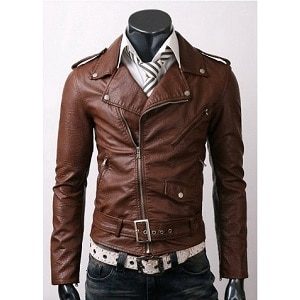
Black leather jacket requiring specialist cleaning and conditioning

Light maintenance can reduce how often professional cleaning is needed, but the method must match the leather. Start by reading the care label and identifying whether the garment is smooth finished leather, aniline leather, suede, nubuck, shearling, or synthetic material.

For ordinary dust on finished leather, use a soft dry microfiber cloth. A slightly damp neutral-colored cloth may be appropriate for a minor surface mark, but test it inside the hem or under an arm first. Allow the jacket to dry naturally on a broad hanger, away from radiators, hair dryers, fireplaces, and direct sunlight.

Current guidance from Vogue stresses identifying the leather type, using minimal moisture, blotting rather than rubbing, and testing products in a hidden location. Its experts warn against household chemicals and standard leather cleaners on suede or nubuck.

Good Housekeeping similarly advises leaving major cleaning and dirty linings to a leather professional. Its 2026 leather-jacket care guidance explains that water can draw oils from leather, contributing to discoloration or cracking as the jacket dries.

For suede, use a dedicated suede brush gently in the direction of the nap. Do not apply smooth-leather conditioner, saddle oil, or ordinary polish. Jigsaw’s current leather and suede care guide recommends a dry cloth for smooth leather, careful air drying, specialist conditioner, and avoiding machine washing or tumble drying.

When Home Cleaning Is a Bad Idea

Professional help is the safer choice when a jacket has a large grease stain, ink, broad water marks, a dirty lining, smoke contamination, mold, extensive fading, expensive embellishments, glued decorations, mixed leather and fabric, or high sentimental value.

Do not machine wash, immerse, or thoroughly rinse a genuine leather jacket unless its manufacturer expressly permits that method. Do not use laundry detergent, bleach, disinfecting wipes, acetone, hairspray, or strong alcohol on the hide.

A home treatment that saves $70 is not economical if it leaves a $400 jacket stiff, faded, or blotchy. When uncertain, send the cleaner photographs and request an initial assessment before shipping or dropping off the garment.

Storage and Preventive Care

Store a leather jacket on a wide, supportive hanger that will not create shoulder points. Keep it in a cool, dry closet with enough space for air circulation. Do not compress it beneath heavy coats.

A breathable cotton garment bag is preferable to long-term sealed plastic, which can trap moisture and encourage odor or mildew. Allow a recently worn jacket to air out before storage, especially if the lining is damp from perspiration.

Condition compatible smooth leather only when it begins to feel dry or according to the garment maker’s guidance. Over-conditioning can darken and soften leather just as easily as neglect can leave it dry.

Professional cleaning should be based on condition rather than an automatic annual schedule. A lightly worn jacket may go several years without deep cleaning, while a heavily used motorcycle or work jacket may need specialist treatment sooner.

How to Compare Cleaner Quotes

Ask whether the business performs leather work itself or sends it to another specialist. Outsourcing is not inherently bad, but it affects turnaround, shipping risk, communication, and who accepts responsibility if a problem develops.

A useful written quote should identify the base cleaning price, stain treatments, conditioning, recoloring, repairs, shipping, rush charges, tax, expected completion date, and refund or liability terms. Ask whether the final price can change after the specialist receives the jacket.

Also confirm whether the cleaner has experience with the specific material and brand. A cleaner skilled with black motorcycle leather may not be the right choice for pale lambskin, suede, shearling, or a luxury jacket with painted details.

When Cleaning Is Worth the Cost

A $75 to $120 cleaning bill often makes sense for a well-fitting jacket worth several hundred dollars. It can also be reasonable for an inherited garment, a discontinued style, or a piece that would be difficult to replace.

Extensive restoration requires a more deliberate comparison. Spending $400 to rebuild the zipper, lining, finish, and color of a mass-market jacket worth $150 may not be economical. The same work can be justified for a vintage flight jacket, designer piece, or sentimental item.

Ask the specialist which problems cleaning will improve and which will remain. Cleaning cannot reverse deep cracking, missing leather, permanent dye loss, or deterioration of a synthetic coating.

What We Verified

We confirmed that leather and suede require specialist cleaning methods rather than ordinary fabric dry cleaning. Current published pricing supports a typical cleaning budget of $50 to $120, with higher amounts for suede, shearling, luxury pieces, restoration, and repairs.

We also checked current repair services showing zipper replacement around $100 to $125+ before complex work and shipping. Consumer and retailer care guidance was used to replace the old advice to rinse leather thoroughly and apply generic oil.

The unsupported 10% insurance charge, routine daily storage fee, universal 24-to-72-hour turnaround, and extremely low alteration estimates were removed.

Related Garment-Care Costs

Specialty outerwear often carries higher maintenance costs than ordinary clothing. Compare the cost of cleaning a fur coat when the garment contains fur or shearling panels.

For household textiles, our guide to the cost of dry cleaning a comforter explains how size, filling, stains, and specialty handling affect the price.

Answers to Common Questions

How much does it cost to clean a leather jacket?

Most professional leather-jacket cleaning costs $50 to $120. Suede, shearling, designer garments, long coats, stains, and restoration can push the price to $100 to $250+.

Can an ordinary dry cleaner clean leather?

Some can, but many send leather garments to a specialist. Ask who actually performs the work and whether that business routinely handles the same leather type.

How much does suede-jacket cleaning cost?

A suede jacket commonly costs $60 to $140+ to clean because the textured nap requires specialist handling and finishing.

How much does leather-jacket recoloring cost?

Small touch-ups may cost $40 to $100. Full recoloring or refinishing commonly costs $100 to $300+.

How much does it cost to replace a leather-jacket zipper?

A complete front zipper replacement generally costs $100 to $250+, depending on construction, hardware, lining access, and shipping.

Can I wash a leather jacket at home?

Do not machine wash, soak, or rinse a genuine leather jacket unless the manufacturer explicitly authorizes it. Light surface maintenance may be possible with minimal moisture and a leather-specific method.

How long does professional leather cleaning take?

Simple local work may take several days, but off-site specialist cleaning commonly takes one to three weeks. Restoration can require two to six weeks.

How often should a leather jacket be professionally cleaned?

Clean it when its condition requires it rather than following a rigid schedule. Deep stains, odors, a dirty lining, or broad grime justify professional treatment, while routine brushing and careful storage can delay the need.

Disclosure: Educational content, not financial advice. Prices reflect public information as of the dates cited and can change. Confirm current rates, fees, taxes, and terms with official sources before purchasing. See our methodology and corrections policy.

by Alec Pow
ThePricer cost research Independent price research used by media, universities and public institutions.

We research provider pricing, market examples, buyer reports, hidden fees and public records.

Methodology · Citations · Newsroom
© 2014 - 2026 - ThePricer Media, LLC, 4 Grove Street, New York, NY, 10014, Phone: (212) 431-2441
We don’t use affiliate links or paid placements. All sources are cited only for verification.
  • Link to X
  • Link to LinkedIn
  • Link to Facebook
  • Link to Instagram
  • Link to Pinterest
  • Link to Youtube
  • Contact Us
  • About Us
  • Press & Mentions
  • Careers
  • Meet the Founder
  • Privacy Policy
  • Editorial Ethics
  • Methodology
  • Corrections
  • Disclosure
  • Terms and Conditions
Scroll to top Scroll to top Scroll to top