
How Much Does Fog Light Installation Cost?
Last Updated on March 1, 2024
Written by CPA Alec Pow | Content Reviewed by  CFA Alexander Popinker
Installing fog lights on your vehicle can greatly improve visibility and safety when driving in poor weather conditions like fog, rain, and snow. But what is the typical cost to install fog lights both as a DIY project and professionally?
In this guide, we’ll break down the key factors that influence fog light installation pricing, provide DIY installation tips, overview professional services, and offer cost-saving advice. Read on to make an informed decision when upgrading your car with fog lights.
How Much Does Fog Light Installation Cost?
When budgeting for a fog light installation, the total cost consists of the parts cost and labor cost. Here are typical price ranges:
Parts Cost
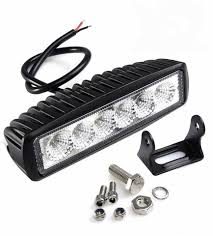
This includes the fog lights, wiring harness, switches, relay, and any mounting brackets or small parts needed.
- Basic halogen fog light kit: $50 – $200
- Premium LED or HID kit: $200 – $800
Aftermarket kits are usually cheaper than OEM parts.
Labor Cost
For professional installation, labor will make up a significant portion of the total cost.
- Basic Install: $150 – $250 labor
- Complex Install: $250 – $400 labor
Dealers and specialty shops command higher rates. DIY installs have no labor fees but require technical skills.
Total Installation Cost
Combining parts and labor, expect a total cost ranging from:
- $200 – $450 for simple DIY and basic pro installs
- $500 – $1200 for advanced DIY and complex pro installs
Luxury vehicles and extensive customization will fall on the higher end. Carefully budgeting and controlling costs can keep fog light installation affordable.
According to 9thgencivic.com, installing OEM fog lights could cost around $400 at a dealership, but seeking a body shop for installation might offer a more affordable option. OEM lights themselves can cost around $337, leading to a total installation cost of approximately $800.
Toyotanation.com writes that a quote of $325 was given for installing OEM-style fog lights and wiring an OEM-style switch through the firewall of a 2021 Camry XSE, with the total cost estimated at about $550 when parts are purchased separately.
A Reddit discussion revealed that professional fog light installation costs are estimated at around $250 at a dealership, with varying prices depending on the specific location and service provider.
Factors That Influence Fog Light Installation Costs
The total cost to install fog lights can range quite a bit based on your specific vehicle and choices. Here are some of the key factors that play a role:
Vehicle Type
The make and model of your vehicle will determine how complex the installation process is and what additional parts may be required. More complex installations on higher-end vehicles will have higher labor costs. Simpler installations on common everyday cars tend to be more affordable.
Fog Light Selection
The specific brand and quality level of the fog lights themselves also cause price variability. Premium LED fog lights from top manufacturers can range from $200-$800 for the set, while cheaper halogen options are $50-$200. Opting for higher quality often yields better performance and longevity.
DIY vs Professional Installation
Doing it yourself will save on labor but requires technical skill and elbow grease. Paying an auto shop for installation has added costs but ensures correct installation. Most DIYers spend $50-$150 on their installs while shops often charge $150-$400.
Fog Light Installation as a DIY Project
Installing fog lights yourself can be a satisfying DIY project and save hundreds on labor costs. But it requires an advanced skill level, specialized tools, and patience to complete properly. Here’s an overview of what’s involved:
Also read our articles about the cost of headlight alignment, freeze plug replacement, and car undercoating.
Gathering Tools and Supplies
You’ll need a variety of standard and automotive specialty tools like trim removal tools, drills, wire strippers, crimpers, volt meters, etc. You’ll also need the wiring harness, switches, and relay specific to your vehicle.
Having an installation guide for your exact car is also highly recommended when taking the DIY route.
Step-by-Step Installation Process
The basic installation steps are:
- Removing bumper and headlight assemblies to access mounting points
- Using a template to drill holes for fog light housing mounting brackets
- Installing the housings and wiring up lights
- Running wiring harness through a frame up to the cabin
- Mounting switches and relay
- Reassembling bumper and testing operation
This simplified overview glosses over the intricacies and challenges of each step. Having automotive wiring skills and knowledge is essential.
Troubleshooting Challenges
 Some common challenges DIYers face are:
- Incorrect wiring leading to shorts and fires
- Drilling mounting holes that crack or warp the bumper
- Incompatible or poor-quality parts that don’t fit or function right
- Damaging other components and systems during installation
- Improperly mounted lights that are misaligned or loose
Having the right tools, parts, diagrams, and skills helps avoid these pitfalls and get a successful DIY fog light installation.
Hiring Professional Fog Light Installation
To avoid the complexities and risks of DIY, most opt to hire professional auto shops for fog light installation. Though more costly at $150-$400 for labor, you get expertise, proper installation, and warranty guarantees.
Finding a Reputable Shop
Look for an auto shop that specializes in electrical systems and modifications to ensure they have the expertise to install fog lights correctly. Dealerships and custom car shops are ideal choices. Read reviews and ask for examples of their work.
Labor Cost Factors
Time and complexity are major factors in labor costs. Complexity ranges based on vehicle and parts chosen. Expect 1-5 hours of shop time for installs at $50-$150 per hour. Luxury vehicles and custom work will fall on the higher end.
Shop Guarantees and Warranties
Reputable shops will guarantee their work and include a warranty on parts and labor ranging from 6 months to 2 years. This protects against any potential mistakes or defective parts. Get all guarantees in writing before approving the work.
Additional Modifications and Accessories
Beyond the fog lights themselves, there are some additional mods and accessories to consider during installation:
Wiring and Switches
For a clean factory look, most installers opt for a custom wiring harness, toggle or button switches, and a relay. This avoids cutting and splicing into existing wires. The placement of the switch is a personal preference.
Compatibility Checks and Mods
Things like bumper alignment, ventilation holes, and trim panels may need adjustment for fog lights to fit properly. This may increase costs if extensive modifications are needed for compatibility.
Aesthetic and Performance Enhancements
Adding a chrome or blackout housing kit, anti-flare shields, LED accent lights or glow paint around the fog lights can enhance aesthetics. Performance-oriented mods like projector lenses or anti-glare coatings also increase costs but may be worth it to some drivers.
Controlling Fog Light Installation Costs
Follow this advice to keep your overall fog light upgrade costs in check:
- Stick to simple halogen fog lights instead of expensive LED or HID kits
- Use existing wiring harness hookups when possible to avoid the cost of a full custom harness
- On older vehicles, use basic push button switches instead of pricey toggle switches
- Verify correct fitment before purchasing to avoid return costs for wrong parts
- On DIY installs, allow extra time and have backup plans to avoid costly mistakes
- Get quotes from multiple shops to compare labor pricing
- Ask the installer about available discounts on bulk pricing for parts
- Consider economy brands like Spec D Tuning for cheaper parts that still function well
- Extend fog light life to avoid frequent replacements by using protective coatings
Final Words
Installing fog lights improves visibility in poor weather driving conditions and also accentuates the style and personality of your vehicle. By carefully considering the factors that influence cost, examining DIY installation requirements, understanding professional services, and controlling expenses – you can stay within your budget and get quality fog lights installed properly.
Taking the initiative to enhance the performance and safety of your vehicle is worthwhile, as long as it is done responsibly by assessing your options and making informed decisions.
Leave a Reply
Want to join the discussion?Feel free to contribute!