
How Much Does a Dental Crown Cost?
Last Updated on January 16, 2024
Written by CPA Alec Pow | Content Reviewed by  CFA Alexander Popinker
Do you need a dental crown? If so, you probably have questions about the cost. Dental crowns can be expensive. Prices range from $500 to $3000 per crown. The cost depends on many factors.
This article will explain everything you need to know about the cost of dental crowns. Keep reading to learn about crown prices with and without insurance, the factors that affect the cost, and ways to pay for this common dental procedure.
Highlights
- The cost of a dental crown depends on many factors but averages $800 to $1,500 per crown with insurance.
- Without insurance, a dental crown costs between $800 and $3,000.
- Porcelain and zirconia crowns cost more than metal crowns.
- Front tooth crowns are more expensive than back tooth crowns.
- Dental insurance can cover 40-50% of the total cost.
- There are ways to save through dental schools, coupons, and cash discounts.
While expensive, crowns are crucial dental treatments that prevent much costlier procedures down the road.
How Much Does a Dental Crown Cost Without Insurance?
If you don’t have dental insurance, a crown can cost $800 to $3,000 depending on the material as explained above. Some dentists offer payment plans to make crowns more affordable.
You may also qualify for discounts if you pay the full cost upfront in cash. Overall, crowns cost much less with insurance coverage. If possible, get insured before getting a crown to save the most money.
According to Byte, the cost of a dental crown will depend on the material you choose, but it will likely fall within the range of $500 to $2,500 per crown. The procedure usually requires additional fees for exams, x-rays, procedural costs, and any needed prep work before the crown is put on.
Dentistry At Its Finest notes that the cost of dental crowns will depend on the materials used, and many other factors. Normally, the cost ranges between $500 to $3,000, with all-porcelain crowns and zirconia crowns as the most expensive. With insurance, the price could be decreased by up to 50%.
GoodRx writes that the price of a dental crown averages $1,100 to $1,300 but can vary widely. The biggest factor in a dental crown’s cost is the substance it’s made of: porcelain, ceramic, metal, or a combination.
Prices average between $1,000 and $1,500, while topping out around $2,500.
According to Aspen Dental, on average, prices range from $880-$1,700. The cost of dental crowns without dental insurance varies based on the type of material used, the complexity of your procedure and your office location.
What Factors Affect the Cost of Dental Crown?
Many factors play a role in the total price you will pay for a crown. Prices vary depending on the type of material used, the location of the dental office, and your insurance coverage.
The Type of Crown Material Affects the Price
Dentists use different materials to make crowns. The material affects the cost. Here are some common types of dental crowns from least to most expensive:
- Stainless steel crowns – $500 to $650
- Metal crowns – $800 to $1,500
- Porcelain-fused-to-metal crowns – $900 to $1,400
- All-resin crowns – $850 to $1,500
- All-porcelain crowns – $800 to $2,500
- Zirconia crowns – $800 to $2,500
- Gold crowns – $800 to $2,500
Your dentist will recommend the best crown material for your needs. More durable materials like porcelain and zirconia are more expensive.
The Dentist’s Location and Experience Affects Cost
Like most services, prices for dental crowns vary based on location. Costs tend to be higher in metro areas with a higher cost of living. Experienced dentists often charge more for crowns than less experienced dentists.
Your Dental Insurance Coverage Makes a Difference
The cost for a crown depends largely on your dental insurance coverage. Most dental insurance plans cover a portion of the cost. But the amount they cover varies. Plans typically cover 40-50% of the total cost up to an annual maximum.
The best way to understand your coverage is to get a pretreatment estimate from your dentist before getting the crown.
What is a Dental Crown?
A crown is a tooth-shaped cap that fully covers a tooth. The crown restores the tooth’s size, shape, and strength. A dentist places a crown over a tooth that is severely decayed or damaged.
Crowns protect weak teeth from breaking. They also hold dental bridges, dentures, or dental implants in place. There are many reasons why you may need a dental crown.
Can I Get an Affordable Dental Crown?
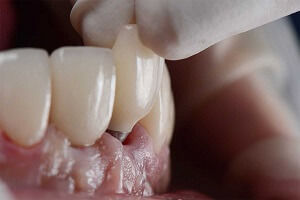 Here are some money-saving tips if you need an affordable dental crown:
- Choose a metal crown instead of porcelain
- Ask your dentist for cash payment discounts
- Inquire about payment plans offered by the dental office
- Have the crown placed at a dental school; fees are 25-50% lower
- Look for dental clinics that provide care for low-income patients
- Search for coupons and discounts for local dentists
- Travel to get the crown done in another country for less
- Purchase supplemental dental insurance before getting the crown
Saving up to pay the full cash price upfront will result in the lowest crown cost if you don’t have insurance.
What Does the Dental Crown Procedure Involve?
You might also like our articles about the cost of dental implants, dental bonding, or mini dental implants.
Understanding what the crown procedure entails can help you plan for the cost. Here are the general steps:
- The dentist numbs the tooth area before beginning.
- The tooth is filed down to make room for the crown.
- An impression is taken of the tooth’s shape.
- A temporary crown is placed over the tooth.
- The impression is sent to a dental lab that makes the permanent crown.
- At a follow-up visit, the permanent crown is cemented over the prepared tooth.
The process takes 2-3 visits over 2-4 weeks. The cost for each visit is included in the total crown price. There’s also a lab fee for making the crown that factors into the cost.
Will My Dental Insurance Cover the Full Cost of a Crown?
It’s rare for dental insurance to cover the entire cost of a crown. Most plans only cover a portion of the price. For example, your plan may allow getting a dental crown for $800 per tooth. If the total price is $2,000, you would owe the remaining $1,200.
However, some cosmetic dentistry plans fully cover one crown per year. And a few offer 100% coverage for multiple crowns. Before getting a crown, get a pretreatment estimate of benefits from your insurance company. This will give you the exact dollar amount they will cover so you can plan for copays and deductibles.
How Much Does a Front Tooth Crown Cost Versus a Back Tooth?
Front tooth crowns are more expensive than back tooth crowns in most cases. The average cost for a front tooth crown ranges from $800 to $2,500. Back tooth crowns typically range from $500 to $1,500. There are a few reasons for this price difference:
- Front crowns are more visible and use more aesthetic materials. Porcelain crowns are common for front teeth.
- Front teeth require a higher level of skill by the dentist.
- More time and effort are required to make front crowns match perfectly.
So when budgeting for a crown, expect to pay more for crowns on front visible teeth.

Have two gold crowns that are over 30 year old
others where set above gum line and didn’t last
Hygienist and dentist can be both good and bad
Hygienists can do more harm than good sometimes with their poking and prodding under hooking an access channel to crowns , over polishing removing enamel. over scraping between teeth leaving gaps for food deposits.