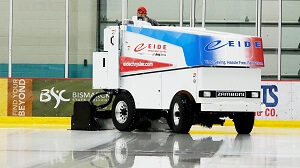
,

How Much Does a Zamboni Cost?

Last Updated on October 9, 2025 | Prices Last Reviewed for Freshness: December 2025
Written by Alec Pow – Economic & Pricing Investigator | Content Reviewed by CFA Alexander Popinker

Educational content; not financial advice. Prices are estimates; confirm current rates, fees, taxes, and terms with providers or official sources.

Facility managers and rink owners often search for Zamboni costs to plan a purchase, build a budget, or compare electric against propane models. The sticker price is only the start. The real bill includes blades, batteries, operator training, freight, and a steady cadence of service visits. That is why knowing the whole lifecycle spend matters as much as the initial quote.

You will see wide price bands across the ice resurfacer market in 2024–2025. Manufacturer and vendor materials describe compact community units from the low five figures and large electric models with premium options at several hundred thousand dollars. Third party guides summarize pro arena builds at the very top, occasionally pushing toward seven figures when buyers customize heavily for show venues. Those bands reflect size, battery chemistry, motor power, and how many resurfaces per charge a machine can deliver—think of flagships like the Zamboni 552AC.

Electric interest keeps rising. Cleaner indoor air and fewer combustion emissions are strong motivators for municipal rinks and schools, and agencies point to carbon monoxide and nitrogen dioxide risks from fuel-fired units in enclosed arenas. Many cities now spec electric by default, then layer grants or rebates to lower the upfront bill; see the EPA’s indoor-air-quality guidance for ice arenas.

Article Highlights

  • Community and school buyers often pay $92,000–$150,000 for compact or mid-range machines, based on recent council approvals.
  • Municipal fleets document mid-range electric purchases from $160,000 up to $220,000, with some pro-tier builds at $200,000–$250,000+.
  • Used propane or gasoline resurfacers trade around $10,000–$30,000, but plan for immediate service and blades.
  • Manual tools run $50–$250—useful for outdoor or pop-up sheets, not a replacement for a full machine.
  • Public-health guidance favors electric indoors to avoid combustion emissions, which reduces ventilation burdens.

How Much Does a Zamboni Cost?

Entry level and compact. For small community pads, buyers quote compact resurfacers in the $90,000–$150,000 neighborhood depending on brand and battery option, with recent council approvals and bids in the $92,400–$135,000 range for new machines in North America. These examples often include basic accessories and a standard warranty, but exclude tax and shipping.

Mid range commercial. Electric models positioned for municipal and multi-sheet rinks commonly land between $150,000 and $220,000 before tax and freight, based on recent public purchases and program reports. One Canadian city documented a new electric ice resurfacer at $206,580 in 2024, while Alberta towns reported purchases around $167,450–$169,769 with rebates applied to reduce net spend. These figures show what many public operators actually pay today.

High capacity and pro arena. Large electric flagships with full options can list at $200,000–$250,000 and beyond, and vendor guides describe pro arena builds that can exceed $500,000 when buyers stack premium features or package multiple units with automation upgrades. A national rink-equipment tracker pegs Olympia’s Millennium E around $200,000–$250,000, with custom arena packages sometimes higher.

Maintenance and operation tilt the scale. Electric units trade higher upfront spend for lower energy and ventilation burdens, and several municipalities cite operating savings or indoor-air benefits as part of their switch. Fuel-fired equipment carries lower day-one costs but needs strict air monitoring in enclosed rinks.

You might also like our articles on the cost of hockey equipment, curling stones, or ice skating rink.

Real-life cost examples

Watertown, South Dakota approved a new Zamboni near $197,870 in 2022, replacing an aging unit at the city arena. That price point puts the machine toward the middle of the spectrum for municipal buyers using traditional procurement channels (city council report).

Vernon, British Columbia added electric resurfacers to its fleet in September 2024. The city documented $206,580 for a new electric unit and $115,653.46 to retrofit two propane machines to electric, with a provincial grant covering a portion of retrofit costs. This illustrates how grant programs can shift the economics toward electric even when capital budgets are tight.

In Ontario, two small towns show how compact purchases price in practice. Napanee approved a new machine at $92,400 including HST with a $15,000 trade-in value, and Minto approved an Olympia purchase at $117,944 plus HST in March 2024. Those are community-rink numbers that many school districts and small municipalities will recognize.

Short snapshot for perspective. A Midwest city approved a compact WM unit at about $135,000 in August 2025 for a downtown seasonal rink. Small rinks spend less (local coverage).

Used units remain an option. Secondary-market options appear from $10,000–$30,000 for older propane or gasoline resurfacers, with condition and hours driving value; occasional listings sit even lower or higher depending on age and attachments. Buyers should plan for immediate service, a blade set, and a safety check before going on the ice; browse Autoline listings.

Cost breakdown

Base machine. The chassis, drive system, conditioner, augers, tanks, and controls make up the base price. Zamboni’s 552AC is a common full-size electric, offered with lead-acid or lithium battery options, four-wheel drive, and a 195-gallon water tank, while the Model 700 sits in the internal-combustion family with gasoline or propane. The core package determines how many resurfaces per charge or tank you can achieve and how fast the crew can clean a sheet.

Add-ons and automation. Popular factory options include high-pressure fine-mist water systems like FASTICE and laser or sensor-based ice leveling. These upgrades can reduce water and energy use, extend blade life, and deliver more consistent ice with less operator effort, one reason many arenas spec them even when budgets are tight.

Delivery and training. Freight for a heavy machine, dealer setup, and on-site operator training show up as separate lines in many public bids. Some solicitations specify a minimum of four hours of training for arena staff, and many dealers include a standard familiarization package in the quote (example solicitation at cityoflaramie.org).

Consumables and spares. Resurfacer blades run about $300–$400 per piece depending on size and steel grade, and most rinks keep multiple sharp blades on hand. Manual tools for outdoor or backyard sheets run $50–$250 each and can complement a powered machine for quick touch-ups or shoulder-season work.

Energy and ventilation. Public-health agencies highlight the need to control combustion byproducts if you use propane or gasoline machines indoors. Electric units avoid those tailpipe emissions, often easing ventilation costs and monitoring burdens. EPA guidance and multiple CDC case reports underline the risks many purchasers want to avoid.

Worked example. A community rink buys a new electric mid-range unit at $200,000, adds a fine-mist water system at $12,000, two extra blades at $700, dealer delivery at $3,500, operator training included, and a first-year maintenance plan at $1,800. The opening invoice is $218,000 before tax. Over five years the rink adds a blade every quarter at $350 each ($7,000 total), routine service at $1,800 per year ($9,000), and electricity for charging that replaces propane and ventilation runtime. If the buyer receives a $30,000 grant for electric equipment, the net capital drops to $188,000, which often makes the electric choice pencil against a cheaper propane unit once indoor air and energy savings are considered.

Factors influencing the cost

Battery chemistry and driveline. Electric resurfacers come with lead-acid or lithium battery packs. Manufacturer materials explain that lithium systems add upfront cost but offer faster charging, less maintenance, and longer service life, which can lower total ownership cost over time; see Zamboni’s lithium-ion overview. Lead-acid lowers initial spend, and some buyers prefer it for predictable replacement cycles and familiar upkeep.

Brand and model family. Zamboni remains the best-known name, with a lineup that spans compact to pro-scale electric and combustion models. Competitors like Olympia and Engo sell comparable machines at similar tiers. Vendor and media materials put Olympia’s Millennium E into the high-capacity electric category with operating costs a fraction of propane or natural-gas units, which helps explain adoption in municipal fleets.

Regulation and health guidance. Operators who keep fuel-fired machines inside enclosed rinks take on monitoring and ventilation responsibilities highlighted by EPA and health departments. Moving to electric avoids combustion in the building, which buyers sometimes value as much as energy savings. Those externalities drive purchasing even when a propane machine looks cheaper on day one.

Supply and season. Winter brings higher demand and fewer discounts. Public bids bunch up in late spring and summer to secure delivery before hockey seasons, and buyers with flexible timelines sometimes see better dealer pricing in the off season.

Resale and depreciation. Older propane machines depreciate quickly as hours climb, but good service records still draw interest from outdoor rinks and practice pads. Electric resale depends on battery age and chemistry, which is why careful charging and documented maintenance help preserve value.

Used units are cheaper. That said, budget reserves for immediate service and safety checks are smart.

Alternative products or services

Major brands and manual tools compete for specific use cases. Electric and propane Zamboni models serve most indoor arenas. Olympia’s Millennium E covers high-demand schedules with very low operating expenses compared with propane units. Manual resurfacers and flood carts are effective for outdoor or pop-up rinks on a budget. Rentals are available from specialty dealers when events or breakdowns require a short-term solution.

The table below summarizes common alternatives and typical pricing. Use it to benchmark quotes and to decide whether buying new, buying used, or renting fits your rink.

Option Typical price band Where it fits Notes
New compact electric resurfacer $120,000–$150,000 Community pad, seasonal rink Seen in 2024–2025 council approvals.
New mid range electric $160,000–$220,000 Municipal fleets, busy community arenas Documented public purchases in CA and AB.
High capacity electric, pro tier $200,000–$250,000+ Multi sheet or event venues Flagship specs and vendor ranges.
Olympia Millennium E $200,000–$250,000 Pro rinks needing long run time Vendor claim of lower operating costs.
Used propane or gasoline $10,000–$30,000 Budget buyers, outdoor sheets Condition-dependent; plan for service.
Manual resurfacing tools $50–$250 Backyards, outdoor pop ups Flood bars and hand resurfacers. See hockeyworld.com.

Manual units cannot replace a full powered machine in a busy arena, but they can help stretch a budget for small community programs or outdoor festivals.

Ways to spend less

Zamboni on IceShop the off season. Many cities and clubs place orders in spring and early summer so delivery hits before the hockey calendar. Dealers with stock sometimes discount outgoing model years at that time.

Buy used, then service on day one. Secondary-market units in the $10,000–$30,000 window can be reliable if you start with a full service, a blade set, and a safety check. Ask for maintenance logs and total hours. If the machine is propane or gasoline, check your ventilation plan against state health guidance.

Negotiate packages. Ask dealers to bundle training, extra blades, and a first-year service plan. A pair of additional blades at $300–$400 each saves money over single purchases during the season. Automation add-ons can be optioned later if the budget is tight today.

Use grants and group buys. Municipal programs and clean-transport funds in Canada have offset $50,000 on electric resurfacers for small towns, and larger cities aggregate several units to improve pricing. Even when you run a private rink, a regional association can organize a multi-rink buy to secure better terms (MCCAC success story).

Rent during peak weeks. Specialty firms rent resurfacers by the day, week, or season with delivery and basic training included, which can bridge a breakdown or cover a holiday event without forcing a rushed purchase (rental options).

Hidden Costs

Blades, $300–$400 per piece, with rotation through the season. Delivery and setup, $2,000–$5,000 depending on distance and dealer. Training time, often included, sometimes quoted separately. Service plans, $1,000–$2,500 per year depending on hours. Charger electrical work for new electric installs, variable with site. Mid-life battery replacement for lead-acid or lithium, a major expense best managed by an equipment reserve and the manufacturer’s maintenance schedule.

Answers to Common Questions

How much does a professional arena machine cost today?

Vendor and industry guides put high-capacity electric resurfacers around $200,000–$250,000, with custom or multi-unit arena packages higher (Glice Eco Rinks).

What is a realistic annual consumables budget?

Plan $1,500–$3,000 for blades and routine service on a single sheet with standard hours, adjusting up for tournaments and heavy use. Blade prices near $300–$400 each anchor this estimate.

Are rentals available for short events?

Yes. Specialty firms rent ice resurfacers by the day, week, or month, and typically include delivery and basic operator instruction.

Why are many rinks switching to electric?

Electric machines avoid indoor combustion and reduce ventilation demands. EPA and CDC materials describe the carbon-monoxide and nitrogen-dioxide exposure risks in enclosed arenas that operate fuel-fired equipment.

As of October 2025, all price bands and examples reflect recent council records, vendor materials, and industry guides where cited.

0 replies

Leave a Reply

Want to join the discussion?
Feel free to contribute!

People's Price

No prices given by community members Share your price estimate

How we calculate

We include approved comments that share a price. Extremely low/high outliers may be trimmed automatically to provide more accurate averages.

Leave a Reply

Your email address will not be published. Either add a comment or just provide a price estimate below.

$
Optional. Adds your price to the community average.