
How Much Does Skin Removal Surgery Cost?
Last Updated on June 26, 2024
Written by CPA Alec Pow | Content Reviewed by  CFA Alexander Popinker
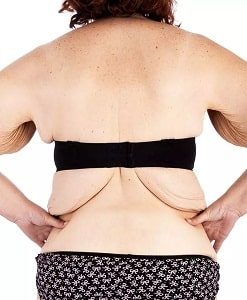
For those who have achieved major weight loss, the prospect of skin removal surgery to tighten loose, sagging skin often arises. But these body contouring procedures come at a significant financial cost depending on the extent of treatment.
This guide goes into every pricing aspect of skin removal, including cost breakdowns for different procedures, payment plans, insurance coverage scenarios, cost savings tips, and long-term budget planning strategies. With this knowledge, individuals can evaluate affordability based on their specific surgical needs, finances, and goals.
While not inexpensive, well-planned skin tightening procedures can provide immense benefits to physical appearance, self-confidence, and quality of life. Review this complete cost analysis to make sound choices balancing improvements against budget realities.
How Much Does Skin Removal Surgery Cost?
The cost of skin removal surgery typically ranges from $5,000 to $30,000+. There are several types of procedures that plastic surgeons perform to eliminate loose, sagging skin following major weight loss:
Abdominoplasty (Tummy Tuck) – Removes excess fat and skin from the abdomen while tightening the abdominal muscles. On average, costs range from $7,500 to $15,000.
Arm Lift (Brachioplasty) – Reshapes arms by eliminating loose, hanging skin and fat from the upper arms. Typical pricing is $4,500 to $8,000.
Thigh Lift – Trims excess skin and fat from the thighs and smooths irregular skin contours. Average fees run $7,500 to $9,500.
Body Lift – Combines multiple lifts by removing surplus skin from the hips, abdomen, thighs, and buttocks in one surgery. Starts at $15,000.
Breast Lift – Tightens a woman’s breasts by excising loose skin and repositioning the nipple higher. Ranges from $5,000 to $11,000.
More extensive surgery equates to proportionally higher procedure costs overall. The location on the body also impacts pricing based on complexity and time required.
According to Healthline, the average cost of skin removal surgery in the US can range from $8,000 to $15,000 or more, depending on the specific procedure and the location.
They note that factors like the surgeon’s experience, the complexity of the surgery, and the geographic region can all impact the final cost. For example, they cite that a full body lift can cost $20,000 or more, while an arm lift may cost $8,000 to $12,000.
RealSelf, a platform for sharing information about cosmetic procedures, reports that the average cost of a tummy tuck (abdominoplasty) in the US is $8,005. They also provide cost estimates for other skin removal procedures, such as arm lifts ($8,325), thigh lifts ($9,975), and body lifts ($11,925).
The site notes that these are just averages, and actual costs can vary significantly based on the surgeon, location, and other factors.
WebMD states that the average cost of skin removal surgery in the US ranges from $8,000 to $15,000, with some procedures costing as much as $20,000 or more.
American Society of Plastic Surgeons reports that the average cost of a lower body lift (which can include skin removal) is $8,553. They also provide cost estimates for other body contouring procedures, such as arm lifts ($6,788) and thigh lifts ($8,109). The organization notes that these are just average figures and that actual costs may vary.
Obesity Coverage, a resource for individuals considering weight loss surgery, states that the average cost of skin removal surgery in the US ranges from $8,000 to $15,000.
Factors That Determine Skin Removal Costs
Many factors intersect to determine the total price patients will pay “out of pocket” for skin tightening:
- Geographic Location of the Surgeon – Prices are often highest in major metro areas and coastal cities where demand is greatest. Smaller communities average 20-50% less.
- Experience and Reputation of the Surgeon – Highly skilled surgeons with years of specialty experience, positive reviews, and good bedside manner can command premium rates. Surgical fees range from $200 to $500+ per hour.
- Type of Surgical Facility – Hospital operating rooms are more expensive than private outpatient surgical centers. Overall facility fees range widely from $700 to $4,000.
- Extent of Skin Removed – The more body areas treated, the higher the cost since it involves more surgical time, equipment, materials, anesthesia, and medical risks.
- Compression Garments and Supplies – Specialty post-op compression garments average $100 to $300 per piece. Multiply if more than one area is treated.
Cost Breakdown
The total price patients pay comprises numerous pre-operations, surgical, and post-op expenses including:
Pre-Operation Costs
- Initial plastic surgeon consultations – $200 to $500
- Lab tests, EKGs, and medical clearance – $300 to $1,000
- Pre-surgical compression garments – $100 to $300
Surgical Procedure Fees
- Surgeon’s fees – $3,000 to $15,000+ depending on time
- Operating room or facility costs – $700 to $4,000+
- Anesthesia fees – $1,000 to $3,000
- Medical supplies – $500 to $2,000
- Surgical drains – $500 to $1,500
Post-Operation Expenses
- Follow up visits with the surgeon – $200 to $500 per visit
- Prescription medications – $300 to $1,000
- Post-surgical compression garments – $100 to $500
Typical Total Price Range – $5,000 to $30,000+
You might also like our articles on the cost of a thigh lift, mini tummy tuck, or breast implants.
Additional procedures, inpatient hospital stays, complications, and revisions add more costs. Securing an accurate quote from surgeons ahead of time is very important.
Payment Plans and Medical Loans
 Since most insurance plans classify it as an elective cosmetic procedure, you must look at financing options:
- Extended Payment Plans – Many plastic surgeons offer 12-24 month no interest or low interest financing plans allowing more affordable monthly payments rather than one lump sum.
- Medical Loans and Credit Cards – Specialty lenders like CareCredit offer promotional loans with 0% intro APR periods for 6-24 months. This delays large payments until the loan matures.
- Home Equity Loans – A home equity loan or line of credit allows you to leverage your home value at low rates for a large health expense.
- 401(k) Loans – For those with sufficient retirement savings, you can borrow against your 401(k) and repay yourself over 5 years with low interest.
- Crowdfunding – Websites like GoFundMe allow you to create a campaign describing your procedure and collect small donations from friends, family, and the public. Every bit helps.
Evaluate the trade-offs of each based on interest rates and your financial situation. Make sure to budget for repayment terms.
Insurance May Cover Skin Removal Surgery
While insurance companies still classify most skin tightening procedures as cosmetic, there are scenarios where coverage is possible if medically warranted:
- Chronic Skin Infections – Insurers may approve surgery if excess skin is causing recurrent fungal or bacterial infections and rashes.
- Severe Functional Impairment – If overhanging skin inhibits basic mobility or daily activities, insurers may deem the procedure medically necessary and not merely for aesthetics.
- Panniculectomy – Removal of lower hanging abdominal skin covered if causes chronic back pain or posture problems.
- Post-Bariatric Body Contouring – Following weight loss surgery, removal of excess skin may qualify based on physical and mental health benefits.
Obtaining pre-authorization from your health insurance provider is essential before pursuing skin removal surgery. But approval is never a guarantee. Be prepared to appeal denials.
Average Skin Removal Costs by Location
Location within the country often affects pricing significantly:
- New York City, NY – $15,000 to $35,000+
- Los Angeles, CA – $12,000 to $30,000+
- Chicago, IL – $8,000 to $25,000+
- Houston, TX – $7,000 to $20,000+
- Smaller metro cities – $5,000 to $15,000
- Rural locations – $3,500 to $10,000
In general, costs in major coastal cities and metropolitan areas run 20-50% higher than mid-sized cities and rural regions with lower demand and healthcare costs. Second tier cities often balance affordable quality care with easier logistics.
Finding Affordable Skin Removal
Here are ways to reduce your costs:
- Seek surgeons offering discounts for multiple procedures done at once.
- Use sites like MedMo to compare procedure costs by area.
- Join rewards programs and get exclusive member pricing from providers.
- Ask about any current promotions or seasonal sales around slower periods.
- Consider certified surgeons abroad through medical tourism packages.
Do your research. With some cost comparisons and flexibility on timing, skin removal surgeries can fit many budgets.
Optimizing Surgery Investments
While rarely inexpensive, individuals want to optimize their surgical spending:
- Research multiple qualified surgeons locally and nationally to compare prices for the procedures desired. Cast a wide initial net.
- Leverage patient communities to benefit from others’ experiences and pricing knowledge.
- Understand that the goal is cost-effective improvement, not chasing the most expensive surgeons. Find the best value.
- Require all-inclusive quotes from providers detailing every projected cost. Avoid surprise fees.
- Set a total budget ceiling for the entire process and find options to meet it through choice of provider, care path, and financing.
- Focus investments on surgeons with the skills and aesthetic sensibilities that resonate with your goals. These guides cost priorities.
With diligence and realistic planning, patients can access cost-effective skin removal surgery tailored to their needs and budget.
Final Words
While expensive compared to many other plastic surgery procedures, body contouring through targeted skin excision can provide immense benefits to appearance, confidence, mobility, and quality of life after major weight loss.
Carefully weigh the costs against expected aesthetic improvements and discuss payment options with your provider. Find affordable surgeons without sacrificing safety or results. With proper budgeting and candid conversations, you can make skin removal surgery accessible if it helps you meet your health and appearance goals.
Frequently Asked Questions
How do you know if you need skin removal surgery?
Signs you may need skin removal post-weight loss include loose, sagging skin that causes chafing and mobility issues, heavy folds that cause rashes and infections, and excess skin negatively impacting your self-image and quality of life. A consultation with a plastic surgeon can determine if you’re a candidate.
How long does it take to recover from skin removal surgery?
On average, recovery takes 2-4 weeks before normal routine can be resumed. Swelling may persist for 2-3 months. Avoid strenuous activity for 4-6 weeks post-op. Have help available for daily tasks for the first 1-2 weeks.
Does excess skin removal leave scars?
Some permanent scarring will occur since excess skin is surgically excised. But incision lines are placed strategically for minimal visibility. Scars fade over time. Opt for an experienced, board-certified plastic surgeon for the best cosmetic results.
Leave a Reply
Want to join the discussion?Feel free to contribute!