
How Much Does Jade Cost?
Last Updated on February 4, 2024
Written by CPA Alec Pow | Content Reviewed by  CFA Alexander Popinker
Jade has long been prized for its beauty, rarity and cultural significance. But how much does this revered gemstone actually cost?
The price of jade can vary dramatically – from a few dollars per carat for basic quality jadeite or nephrite, to over $10,000 per carat for top-grade, intensely colored imperial jadeite. Factors like the type of jade, color, transparency, carving quality and rarity all impact the value.
This in-depth guide examines the key factors that influence jade pricing, provides tips for assessing quality and value when buying, and gives you an insider’s look at current price ranges – from raw material to finished jade jewelry. Read on for everything you need to know about how much jade costs.
Highlights
- Jade prices span an enormous range from under $100 to over $1 million based on factors like jade type, color quality, transparency, and rarity.
- Top-tier imperial jadeite is the most precious and expensive, selling for over $10,000 per carat.
- Vivid green is the most desired jade color, but lavender, red and black also have value.
- Nephrite is more plentiful and affordable than rare jadeite.
- Quality craftsmanship in carving and polish raises the value of finished jade jewelry.
- With knowledge and careful inspection, it’s possible to find appealing jade across a wide range of price points.
Jade Price Range – How Much Does Jade Cost?
Jade prices cover a wide spectrum, ranging from affordable to extremely expensive. Some key price ranges are:
- Raw jade (uncut stone) – $1-$500 per carat for common material. High-end nephrite or jadeite can reach $5,000 per carat.
- Polished jade cabochons – $10-$2,500 per carat. Premium jadeite cabochons can be $5,000+.
- Jade bangles – $50-$5,000 for basic nephrite bangles. Top jadeite bangles over $20,000.
- Jade pendants – $100-$10,000 range. Fine jadeite over $50,000.
- Antique jade – Pieces from $100 to over $1 million at auction.
- Imperial jadeite – The most precious commands $10,000-$20,000 per carat.
GemPundit.com, for example, offers various jadeite jade products with prices ranging from $33.60 to $169.20. Examples include:
- Jadeite Jade (Type A) – 0.28 Carat: $33.60
- Jadeite Jade (Type A) – 0.81 Carat: $169.201
JadeMineCanada.com provides rough jade products, and the website mentions a 15% discount on orders over $40, with free chip bracelets on orders over $120. However, specific prices for jade products are not listed.
Gumps.com offers a range of jade jewelry with prices such as:
- Pearl & Green Nephrite Jade Drop Earrings: $950.00
- 10mm Apple Green Jade Necklace: $9,750.00
- Men’s Red Jade Saddle Ring: $2,300.00
- Lavender Jade & Diamond Bead Bracelet: $1,850.00
RealJade.com offers jadeite jade jewelry with prices ranging from $8,653.00 to $468,950.00. Examples include:
- 18K White Gold High-End Imperial Jadeite Jade “Goddess of Compassion” Guan Yin Necklace: $12,860.00
- Classic Green Natural Jadeite Jade Wider Bangle Bracelet: $9,380.00
- 18k Rose Gold Natural Imperial Green Oval Jadeite Jade Engagement Ring With Diamonds: $11,650.00
So as you can see, jade spans the spectrum from affordable fashion jewelry to elite investment-grade gems valued in the millions. But what exactly makes some jade so valuable?
Factors Influencing Jade Prices
Several characteristics determine the price of jade, including:
Jade Type
There are two types of jade – nephrite and jadeite. Jadeite is rarer and more valuable than nephrite. The finest jadeite can be worth over 100 times more than fine nephrite.
Color
Vivid greens and lavenders command the highest prices, especially with even saturation. Red, yellow, black and white jade is also valuable.
Transparency
Translucent to semi-transparent jade is ideal. Opaque jade is less valuable.
Quality
Top grades have an attractive texture, high luster and lack flaws. Fine carving and polish increases value.
Rarity
Certain types like imperial jadeite are incredibly rare. Rare colors, top carvings and large pieces also fetch premium prices.
These most important characteristics make imperial jadeite the most valuable. Vivid green imperial jadeite has a flawless translucency and commands prices over $10,000 per carat at the high-end.
Jadeite vs. Nephrite Prices
The two main types of jade – jadeite and nephrite – have very different price ranges. Some key differences:
- Raw jadeite is $50-$5,000 per carat. Raw nephrite is just $1-$500 per carat.
- Top quality jadeite cabochons fetch $5,000 per carat or more. Fine nephrite cabochons are $500-$2,000 per carat.
- High-end jadeite bangles cost $20,000+. Premium nephrite bangles are $5,000 or less.
- Antique jadeite sells for exponentially more than nephrite at auction. Pieces have sold for over $1 million.
Jadeite commands a significant price premium over nephrite in all categories. The finest jadeite can be worth over 100 times more than fine nephrite due to its rarity and allure. Vivid green imperial jadeite is the most precious and expensive.
How Quality Affects Jade Prices
When evaluating jade, quality factors like color, texture, transparency, and craftsmanship significantly impact its price. Some guidelines:
- Vivid greens and lavenders with an even color distribution are most prized. Mottled or dull colors are less valuable.
- Translucent jade is ideal. Opaque pieces of jade with no translucency or hue have a lower value.
- A fine, smooth texture and high surface luster increase value. Flaws deduct value.
- Excellent polish and artistic carving raise the price of finished jade jewelry.
- Matching bangle sets with consistent color and texture command premium pricing.
- Larger carvings require top craftsmanship and more raw materials, increasing cost.
Combining vivid color, translucency, fine texture, and exquisite craftsmanship produces the most valuable jade with prices ranging from $2,500 up to over $50,000 per carat. Inferior quality characteristics significantly reduce value.
You might also like our articles about the cost of pyrite, garnet stones, or amethyst stones.
Current Jade Market Trends
The jade market remains strong due to steady demand from Chinese buyers. Some current pricing trends include:
- Top-tier imperial jadeite over $10,000 per carat continues rising in value, regarded as a precious investment.
- Mid-range nephrite bangles around $1,000 and jadeite pendants from $5,000 are popular for jewelry.
- Consumer interest in unique black and lavender jade is increasing values.
- Jade mining restrictions in Myanmar have caused raw material costs to rise.
- Charged political relations between Myanmar and China influence the jade trade.
- Auction prices remain robust, signaling jade’s strength as a collectible asset. In 2022, Christie’s sold a jadeite bangle for over $1.3 million.
So despite some volatility, the high-end jade market shows resilience and rising prices for fine investment-grade material, particularly imperial jadeite. Mid-range jewelry-grade jade remains affordable and appealing for consumers.
Tips for Buying a Jade Stone
Since quality greatly impacts jade prices, it helps to understand how to to set the value of jade when buying. Here are some tips:
- Examine color – Look for vivid, even coloration without dull spots. Green is the most prized, but lavender, red, and black also have value.
- Check translucency – Light should partially penetrate quality jade. Avoid opaque specimens.
- Inspect texture – Fine jade has a smooth, waxy texture. Avoid flaws and pits.
- Assess craftsmanship – Well-carved jade has crisp, symmetrical lines and a polished finish.
- Get certified – Ask for a recognized lab certificate stating jade type, treatments, etc.
- Find reputable dealers – Established jewelers or specialty dealers are best. Be wary of fakes.
- Compare prices – Shop around and compare quality to price ratios.
Following these tips helps ensure you get good value when buying jade. An informed buyer can build high-quality jade collection without overpaying.
Buying Jade at Different Price Points
Jade is available across a wide spectrum of price points. Here is what to expect at different budget levels when buying:
Under $100
- Mostly basic nephrite pendants and beads. Avoid dyed jade.
- Focus on small jewelry accents, not statement pieces.
- Quality will be lacking but OK for costume-style jade.
$250-$500
- Mid-range nephrite bangles, rings and pendants.
- Some jadeite at this level but treat cautiously.
- Can find appealing translucent green jade.
- Expect some visible flaws.
$1,000-$5,000
- Good selection of jadeite and nephrite across all jewelry types.
- Solid balance of quality and affordability.
- Jadeite cabochons and bangles in this range.
- Most pieces will be unenhanced, natural jade.
$10,000+
- Top imperial jadeite – vivid greens with uniform color. The most expensive jade.
- Flawless texture and translucency. World-class carving.
- Investment-grade jade suitable for collections.
- Expect certification from respected labs like GIA or AGTA.
Beautiful jade can be found at even modest budgets, while the sky’s the limit for flawless imperial jadeite.
Jade as an Investment
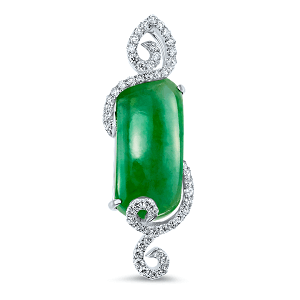 In addition to jewelry, jade is increasingly regarded as an investment-grade precious material, particularly high-end imperial jadeite. Some key considerations for jade as an investment:
- Scarce imperial jadeite has shown consistent price appreciation averaging 10% annually for decades, surpassing gains for gold and fine art.
- Demand from Chinese collectors remains strong, with jade deeply ingrained in Chinese culture for centuries.
- Jade’s durability and naturally attractive colors give it broad, sustained appeal.
- Supply limitations due to jadeite’s rarity and restrictions on Myanmar mining add growth potential.
- Provenance and certification are crucial when buying investment-grade jade. An unbroken ownership history proven by documentation increases value.
Jade displays low volatility and strong potential for long-term gains based on its enduring desirability and scarcity. It can be a wise addition to diversified investment portfolio or collection.
How to Spend Less on Jade
For buyers on a tight budget, follow these tips to get affordable jade:
- Focus on nephrite rather than precious jadeite.
- Buy small pieces like rings and pendants to reduce costs.
- Consider jade from less-known sources like Canada rather than Myanmar.
- Buy jade beads or loose cabochons and have them custom-set in less expensive metal settings.
- Shop vintage and antique stores to find quality jade at discount prices.
- Avoid sellers hyping “grade A” jade with no certification. This is usually overpriced low-to-mid-grade jade.
- Be patient and hunt for bargains at jade markets, antique malls, or estate sales.
With some savvy shopping, you can find appealing jade jewelry on even limited budgets.
Final Words on the Jade Value
Jade’s allure, cultural significance, and scarcity ensure demand and appreciation for this king of gemstones will continue for collectors, investors, and jewelry lovers alike.
Is jade actually valuable?
Yes, jade is a valuable gemstone, especially the finer varieties. Jade has been prized in Chinese culture for thousands of years and continues to be coveted worldwide today. The rarer and higher quality the jade, the more valuable it becomes.
Top-grade “imperial” jadeite, with its vivid emerald-green color and translucence, is regarded as extremely precious and can sell for over $10,000 per carat.
Other fine jade like lavender jadeite or high-clarity nephrite are also valuable collector’s items and jewelry, often selling for thousands per carat. The cultural cachet and limited supply of fine jade ensure it remains a valuable gemstone.
Is it OK to buy jade?
Yes, buying jade is a great option for both jewelry and investment. Jade makes beautiful jewelry with its attractive green colors and smooth texture. It’s a durable material that lasts a lifetime if cared for.
Jade is also increasingly regarded as a strong investment gemstone, especially scarce imperial jadeite which shows consistent appreciation in value over decades.
When buying, focus on quality over size, buy from reputable dealers, and request certification to ensure you get genuine, untreated jade. Also, consider your budget – beautiful jade can be found at prices ranging from affordable fashion jewelry to elite collector’s items worth millions. With a bit of care and research, buying jade is an excellent option.
How rare is jade?
Jade is considered a rare gemstone, especially the precious jadeite variety. Fine jadeite represents less than 1% of all jade on the market. The most coveted imperial jade is extraordinarily rare, with some estimating only 10-15% of jadeite mined has an imperial emerald-green color.
Because of jadeite’s rarity, prices have consistently increased over decades. Nephrite jade is much more common than jadeite but fine-quality nephrite is also increasingly rare, particularly the translucent green variety.
Overall jade’s rarity, particularly for top-grade imperial jadeite, contributes to its value and mystique as a precious gemstone. Limited mining and supply ensure prices will likely continue rising into the future.

I have a jade urn that belonged to the 27th generational grandson, Ong Khan, of Ghingus Khan. I received it from his daughter. I would like to have it appraised. It weighs around 30#
8179330651