
How Much Does an Albuterol Inhaler Cost?
Last Updated on January 22, 2024
Written by CPA Alec Pow | Content Reviewed by  CFA Alexander Popinker
Albuterol inhalers are essential for managing asthma and COPD symptoms, but their costs have skyrocketed in recent years. This leaves many patients struggling to afford the medication they need. This article will break down the factors behind albuterol inhaler pricing, provide cost comparisons, and share money-saving tips for patients.
Highlights
- The average cost of an Albuterol inhaler is anywhere between $20 and $100 per inhaler.
- Generic inhalers offer major savings over branded versions.
- Compare pharmacy prices and use coupons/discount programs.
- Understand your insurance coverage and shop plans annually.
- Policy and law changes may help lower costs long-term.
- Affordability impacts health outcomes.
- Patients carry the real economic burden of high prices.
- Discuss options with your doctor to find savings.
How Much Does an Albuterol Inhaler Cost?
The average cost of an Albuterol inhaler is anywhere between $20 and $100 per inhaler, without insurance. The price depends on the brand you choose and on the dosage.
To demonstrate the pricing difference, here is a cost comparison of the two branded albuterol HFA inhalers versus generic versions:
- Ventolin HFA typically costs $60 to $100 for 1 inhaler
- ProAir HFA typically costs $55 to $100 for 1 inhaler
- Generic albuterol HFA typically costs $20 to $50 for 1 inhaler
The active medication is identical in all the inhalers compared above. But the branded versions cost up to 4 times more. Using affordable generic inhalers offers major savings for patients paying cash.
Drugs.com notes that Albuterol inhalation solution (2.5 mg/3 mL (0.083%)) costs around $18 for a supply of 75, depending on the pharmacy you visit.
GoodRx writes that Albuterol inhalers are available in pharmacies for as little as $30, while brand-name versions (Ventolin and Proventil) cost about $74 per inhaler.
GoodRx prices for the authorized generic of ProAir HFA are as low as $25, compared to $61 for the brand version. Albuterol generic Accuneb, Proair Respiclick HFA, Proventil, and Ventolin prices range from $15.96 to $47.35, depending on the pharmacy and the version.
What Factors Determine Albuterol Inhaler Pricing?
The manufacturing costs of albuterol inhalers are relatively low. But other factors contribute to their high retail pricing:
- Brand Name vs. Generic – Branded Ventolin HFA and ProAir HFA typically cost significantly more than generic equivalents.
- Patent Exclusivity – Drug makers can hike prices during the patent protection period before generics enter market.
- Insurance Coverage – Insurers negotiate different rates based on rebates from manufacturers. Cash pay prices can be inflated.
- Supply Chain Costs – Distribution, marketing, and pharmacy profit margins all add to the retail price.
- Limited Competition – With only a few major manufacturers, there is little price competition.
Albuterol Inhaler Medication Overview
Albuterol is a commonly prescribed bronchodilator medication used to quickly provide relief from asthma attacks and COPD flare-ups. It relaxes tightened airway muscles when you’re dealing with breathing problems like a chronic obstructive pulmonary disease to make breathing easier during respiratory distress. Albuterol is most often taken using a pressurized metered-dose inhaler (MDI).
Popular branded albuterol inhalers include Ventolin HFA and ProAir HFA. Generic versions are also available, containing the same active drug – salbutamol. When used as prescribed, albuterol inhalers are generally safe and effective. But their costs have risen dramatically in recent years.
Health Insurance and The Albuterol Inhaler Cost
Health insurance plans have different formularies, prior authorization rules, and cost-sharing arrangements for albuterol inhalers. Here’s how coverage may vary:
- Medicare Part D – Copays average $20 to $50 per inhaler. Some have deductibles.
- Medicaid – Small or no copays. Prior authorization may be required.
- Private Insurance – Copay ranges from $20 to the full drug cost. Change plans each year.
- Uninsured – Must pay the full retail cash price, often over $100 per inhaler.
Compare plans each year during open enrollment to maximize coverage.
Ways to Reduce Albuterol Inhaler Costs for Patients
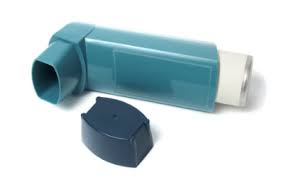 If you’re struggling to afford your albuterol inhaler prescription, here are some money-saving tips:
- Use generic inhalers instead of brand names to save significantly.
- Compare prescription prices at multiple local pharmacies to find the best rates.
- Use pharmacy discount coupons and apps to lower costs.
- Enroll in manufacturer discount programs if eligible by income.
- Buy in bulk and use a mail order pharmacy to get a discount.
- Consider an FSA or HSA to help cover out-of-pocket costs tax-free.
- Research and enroll in the best insurance plan you can afford each year.
The Role of Albuterol Inhalers in Respiratory Healthcare
Albuterol inhalers play an important role in respiratory care:
- Quick relief for asthma attacks and COPD flare-ups.
- Prevention of severe exacerbations and hospitalizations.
- Improved breathing and quality of life for patients.
- Lower healthcare system costs by reducing ER visits.
Despite their benefits, high albuterol costs present a barrier to effective treatment for many patients. This leads to poorer health outcomes and higher medical expenses when patients skimp on medication.
The Economic Burden of Inhaler Costs Falls on Patients
While drug manufacturers and insurers point fingers about who is responsible for rising prices, the real economic burden falls on patients:
- Even with insurance, copays can cost a significant chunk of income.
- The uninsured often pay inflated cash prices of over $100 per inhaler.
- Rationing medication leads to increased symptoms and medical complications.
- Higher ultimate costs due to uncontrolled asthma and COPD.
Making albuterol inhalers more affordable would provide real economic relief to patients and the overall healthcare system.
You might also like our articles about the cost of a nebulizer machine, an insulin pump, or an ARP wave machine.
Will Inhaler Prices Change Going Forward?
Looking ahead, what might the future hold for albuterol inhaler costs?
- As patents expire, increased generic competition could help lower prices.
- A push for more transparency around drug pricing from policy makers.
- Shift towards value-based pricing and prescription drug reform.
- Potential legislative changes allowing importation of drugs.
- Innovation resulting in more cost-effective delivery methods.
While major changes happen slowly, there is hope that albuterol inhalers will gradually become more affordable so patients can access the respiratory relief they need.
Final Words
Albuterol inhalers are a vital medication for many, but costs are untenable for some patients. Taking proactive steps to save and pushing for real systematic reform are both very important to ensure access.
Frequently Asked Questions About Albuterol Inhalers
How much is albuterol at Walmart without insurance?
At Walmart pharmacies, the cash price for one generic albuterol HFA inhaler usually ranges from $35 to $60 without insurance. Ventolin HFA and ProAir HFA branded inhalers cost between $65 to $80. Always compare prices between local pharmacies. With GoodRx coupons, Walmart albuterol inhalers may be purchased for under $20.
Can I just buy albuterol over the counter?
No, you cannot buy albuterol inhalers over the counter. Albuterol sulfate is a prescription-only medication requiring a doctor’s prescription. Some countries sell it over the counter, but not in the U.S. Trying to order albuterol online without a valid prescription is illegal and dangerous.
How much is a cheap albuterol inhaler?
The cheapest albuterol HFA inhalers are typically generic versions, which often cost between $20 to $40 without insurance at many pharmacies. Name brand Ventolin HFA and ProAir HFA inhalers usually cost $60 to $80. Getting a prescription discount card or using a pharmacy app coupon can further lower the price of generic inhalers to under $20 in some cases. Comparing options saves the most money.
Leave a Reply
Want to join the discussion?Feel free to contribute!