ThePricer Media
  • Latest: The Cost to Cool an AI Data Center
  • Cost Guides
  • News & Investigations
  • Daily Price Puzzle (60s)
  • Methodology
  • Press & Mentions
  • Contact
  • Click to open the search input field Click to open the search input field Search
  • Menu Menu
Family & Lifestyle, Building and Construction, Home and Garden

How Much Does Attic Ladder Installation Cost?

Updated on July 9, 2026 | Written by Alec Pow
This article was researched using 6 sources. See our methodology and corrections policy.

Attic ladder installation usually costs $400 to $1,000 for a standard replacement or a straightforward new opening, including labor and a basic pull-down ladder. A more involved job can cost $1,000 to $2,500+ when the opening must be enlarged, the ceiling needs framing work, trim and drywall must be repaired, or the ladder is insulated, telescoping, scissor-style, or made for a taller ceiling.

The biggest price difference is whether the home already has a usable attic opening. Replacing an existing pull-down ladder is often a half-day handyman or carpenter job. Cutting a new opening into the ceiling is a construction job because the installer must frame the opening correctly, protect the surrounding joists, fit the stair unit, trim the hatch, and sometimes repair insulation, drywall, paint, wiring, ducts, or lighting.

A basic attic ladder may cost only $150 to $400, but the finished project is rarely just the ladder. Labor, framing, trim, disposal, air sealing, and ceiling access can cost more than the stair unit itself.

Article Highlights

Jump to sections
  • Does Attic Ladder Installation Cost?
  • What an attic ladder is
  • Replacement is much cheaper
  • The ladder itself
  • Labor costs 
  • Ceiling height and swing clearance
  • Hidden costs
  • A simple attic ladder replacement usually costs $350 to $800 (at $30 per hour, earning that amount would take about 1.5 to 3.3 full-time workdays, before taxes).
  • A new attic ladder opening usually costs $700 to $1,500+.
  • Complex framing, joist changes, or high ceilings can push the project to $1,500 to $2,500+.
  • Basic wood or aluminum attic ladders often cost $150 to $400, while insulated, steel, telescoping, or scissor ladders can cost $500 to $1,500+.
  • Do not compare a ladder-only retail price with a finished installed price.
  • Cutting trusses or structural framing without proper design can create serious roof and ceiling problems.
Attic Ladder Cost

How Much Does Attic Ladder Installation Cost?

Project type Typical installed cost What is included
Replace existing attic ladder $350 to $800 (about 1.5 to 3.3 full-time workdays at $30 per hour) Remove old unit, fit similar new ladder, fasten, trim, basic cleanup
Install basic ladder in existing framed opening $400 to $900 Set and secure ladder in a usable ceiling opening
Cut and frame a new opening $700 to $1,500+ Ceiling cutout, headers, ladder installation, trim, basic finish work
Enlarge or move attic opening $900 to $2,000+ New framing layout, drywall repair, old opening patch, trim, paint touch-up
High-ceiling or heavy-duty ladder install $1,000 to $2,500+ Taller ladder, more handling, specialty unit, stronger framing
Structural joist or truss issue $1,500 to $3,000+ Carpenter plus possible engineer, framing changes, code-sensitive work

Angi places attic ladder installation around $400 to $1,000 for many professional jobs, while HomeGuide gives a similar basic range of $350 to $1,000 and notes that more complex installations can reach $1,000 to $2,500. Those ranges are a better current anchor than older retail-install figures that did not include today’s labor and finish-work costs.

Related guides

  • How Much Does Oil Tank Replacement Cost?
  • How Much Does Shower Cartridge Replacement Cost?
  • How Much Does Trump’s White House Helipad Cost?

What an attic ladder is

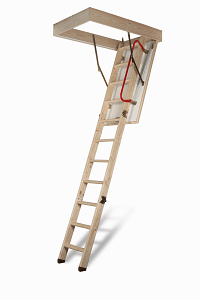
An attic ladder is a folding, telescoping, sliding, or scissor-style stair unit mounted inside a ceiling hatch. Most pull-down models come inside a framed box with a hinged door panel and a ladder that folds into the attic when not in use. It is different from a fixed staircase because it does not take up floor space all the time.

It is also different from a portable ladder because the unit is permanently mounted to the ceiling opening and must support repeated climbing, storage access, and the weight rating printed by the manufacturer. Common materials include wood, aluminum, and steel. Some models are insulated or weatherstripped to reduce air leakage between the living space and the attic.

Replacement is much cheaper

The lowest installed price usually belongs to a direct replacement: same opening size, same ceiling height, no damaged framing, no wiring in the way, and no drywall repair beyond trim touch-up. In that case, the installer removes the old attic stair unit, lifts the new one into place, shims and fastens it, checks the swing and floor contact, adds trim, and hauls away the old ladder.

Attic Ladder Model

A new opening is different. The installer has to choose a location with enough attic clearance above, enough floor clearance below, and enough room for the ladder to unfold safely. Then the ceiling is cut, the opening is boxed with framing, the ladder is installed, and the ceiling is repaired around it.

This is where many low quotes break. A hallway may look like the right location from below, but the attic side may contain joists running the wrong way, insulation, wiring, ducts, plumbing, a low roof slope, or a truss web. If the opening must move even a few feet, the project can change from a simple ladder install into a small carpentry job.

The ladder itself

Basic attic ladders are usually the cheapest part of the project. Standard wood and aluminum pull-down units often cost $150 to $400 (about 0.6 to 1.7 full-time workdays at $30 per hour). They work for many garages, hallways, and unfinished attics, but the right model depends on ceiling height, rough opening size, duty rating, tread comfort, and how often the attic will be used.

Retail prices now run much wider than older estimates. Lowe’s attic ladder category includes standard pull-down models and taller or insulated options through its attic ladders section, while Home Depot’s attic ladder listings include wood, aluminum, steel, insulated, telescoping, and scissor-style models through its attic ladder category.

Insulated ladders cost more because the hatch is built to reduce heat loss and air movement. Scissor ladders and compact metal systems cost more because they are specialty units. Heavy-duty ladders cost more because they use stronger hardware and higher-rated materials. A cheap ladder can be fine for seasonal storage. It may feel flimsy if the attic is used weekly.

Labor costs 

A handyman may be enough for a direct replacement in a nonstructural opening. A carpenter is usually a better fit when the opening has to be framed, resized, trimmed, or finished cleanly. A general contractor may be needed if the attic access is part of a larger remodel with drywall, flooring, electrical, and insulation work.

Structural changes are a separate category. If a joist, rafter tie, or truss member is in the way, the answer is not to cut first and ask later. A structural engineer or qualified framing contractor may need to design the header or relocation plan. The engineering and framing work can cost more than the ladder.

Ceiling height and swing clearance

Most common attic ladders fit ceilings around 8 to 10 feet high. Taller ceilings require longer ladder sections, and the unit may be heavier or harder to install. Low ceilings and tight hallways create a different problem: the ladder may hit a wall, door, cabinet, stair rail, or light fixture when it unfolds.

The installer has to check three measurements: ceiling height, rough opening size, and landing space. Landing space is the floor area where the ladder feet rest when extended. A model that technically fits the ceiling may still be wrong if the ladder opens into a doorway or lands on a step, threshold, or uneven floor.

This is why some homeowners end up paying for a different ladder, a different opening location, or trim and drywall changes after the first measurement.

Hidden costs

  • Trim and molding: Some installs include basic casing, but paint-grade trim, stain-grade trim, or matching older molding can add cost.
  • Drywall repair: Enlarging or moving the opening may leave ceiling patches that need taping, sanding, and paint.
  • Painting: The ladder door may arrive primed, not painted to match the ceiling.
  • Insulation and air sealing: A poorly sealed hatch can leak conditioned air into the attic. An insulated cover or gasket kit may add $50 to $250+.
  • Electrical relocation: A light, junction box, or cable in the opening path can require an electrician.
  • Duct or plumbing conflicts: HVAC ducts, bath fans, pipes, and vents can make the best-looking ceiling location unusable.
  • Attic flooring: A ladder is less useful if the attic has no safe walking or storage surface near the opening.
  • Disposal: Some contractors include haul-away. Others charge extra to remove the old ladder and packaging.

When joists or trusses are involved

This is the section that deserves the most caution. The ceiling framing around an attic opening is not just a place to attach the ladder. In many homes, ceiling joists also help tie the roof and walls together. Trusses are engineered systems, and cutting a truss member can weaken the roof structure.

Lowe’s own attic stair installation guide shows the basic process of laying out an opening, cutting the ceiling, and adding headers in its pull-down attic stairs guide. That guide also shows why a clean new opening is more than “cut a hole and screw in the ladder.” The surrounding framing has to carry loads properly after the opening is made.

If the ladder fits between existing joists, the job can remain fairly simple. If the opening crosses joists, lands on truss framing, or needs a wider hatch than the structure allows, the project should be priced as carpentry or structural work. A $600 ladder job can become a $2,000+ project once framing repair, drywall, engineer review, and finish work are included.

Three realistic attic ladder projects

Simple replacement: A homeowner replaces a damaged wood pull-down ladder with a similar aluminum unit. The ladder costs $250, labor is $400, and basic trim touch-up is included. Total: about $650.

New hallway opening: The house has attic space but no pull-down stairs. The carpenter cuts a new opening, frames headers, installs a $350 ladder, adds casing, and patches small drywall damage. Labor and finish work are $900. Total: about $1,250.

Complicated attic access: A high-ceiling hallway needs an insulated ladder, the opening must be moved from the first planned location, and an electrician relocates a light. The ladder is $850, carpentry and install labor are $1,100, electrical work is $300, and paint repair is $200. Total: about $2,450.

Replacing an old folding attic ladder

  • Midrange aluminum attic ladder: $325
  • Remove old ladder and install new unit: $450
  • New trim and fasteners: $75
  • Paint touch-up around hatch: $100
  • Old ladder disposal: $50
  • Estimated total: $1,000

The ladder itself is only $325, or about one-third of the project. Labor and finish details make up the rest. If the same job did not need trim, paint, or disposal, the invoice might be closer to $750. If the opening needed framing repair, it could move above $1,200.

DIY vs hiring a pro

A direct replacement can be a reasonable DIY project for someone with carpentry experience, a helper, proper supports, and comfort working overhead. The ladder unit is awkward and heavy, and the frame has to be squared and fastened correctly. A poor install can bind, sag, leave gaps, damage the ceiling, or make the ladder unsafe to climb.

A new opening is different. DIY becomes riskier when cutting ceiling drywall, framing headers, identifying joist direction, handling insulation, and avoiding wiring. The money saved on labor can disappear quickly if the ladder is mismeasured or the wrong opening is cut.

For a homeowner who only needs to swap the same-size unit, DIY might save $300 to $600. For a new opening or structural conflict, hiring a pro is usually cheaper than repairing a mistake.

How to keep the attic ladder cost lower

Choose a ladder that fits the existing opening when possible. Changing the rough opening creates more labor than upgrading from one basic ladder to another. Use standard sizes, avoid specialty ladders unless the attic needs them, and ask whether the quote includes trim, paint, disposal, and cleanup.

Do not save money by skipping air sealing if the hatch is inside conditioned living space. A poorly sealed attic door can leak warm or cool air for years. In a garage, that may matter less. In a hallway or bedroom ceiling, it can matter a lot.

When an attic ladder installation makes sense

Makes sense if:

  • You use the attic for seasonal storage and want safer access than a portable ladder.
  • The opening can fit between framing members without major structural changes.
  • The ladder will land on clear, level floor space.
  • The attic has enough headroom and a safe area near the hatch.
  • The installed cost is lower than building a permanent staircase or adding another storage solution.

Does not make sense if:

  • The attic is not safe to walk in or has no storage floor near the opening.
  • The only possible opening would require cutting trusses without engineered work.
  • The ladder would land in a doorway, stairwell, or tight hallway.
  • You need daily access and a permanent staircase would be safer.
  • The attic has moisture, mold, pests, or insulation problems that should be fixed first.

What we checked

  • Checked current installed-cost ranges against Angi attic ladder pricing and HomeGuide’s attic ladder installation data.
  • Confirmed current retail ladder categories through Lowe’s attic ladder listings and Home Depot’s attic ladder section.
  • Verified that new openings require proper layout, cutting, and header framing through Lowe’s pull-down attic stair installation guide.
  • Cross-referenced manufacturer sizing and ceiling-height logic with the FAKRO attic ladder product line, which shows how ladder type, ceiling height, and insulation level change the product choice.

Related stair and access costs

An attic ladder is the compact version of a home-access project. If the issue is mobility rather than storage, compare it with the cost of an Acorn stair lift. If you are changing permanent stairs rather than adding fold-down access, the project is closer to the cost of a staircase remodel or replacement. For finish carpentry and stair materials, the cost of hardwood stair installation is a better comparison than a simple pull-down ladder.

Answers to Common Questions

How much does it cost to install pull-down attic stairs?

Most pull-down attic stair installations cost $400 to $1,000 for a standard job. Complex framing, taller ceilings, or finish repair can push the total above $1,500.

How much does it cost to replace an existing attic ladder?

A direct replacement usually costs $350 to $800, depending on the ladder price, labor rate, trim work, and whether the existing opening is still in good shape.

Can I install an attic ladder myself?

Yes, if it is a same-size replacement and you have carpentry experience plus a helper. Cutting a new opening is much riskier because framing, wiring, insulation, and ceiling repair may be involved.

Can attic ladders be installed between joists?

Often yes, and that is usually the cleaner installation. If joists or trusses must be cut, the job needs proper framing design and may require a qualified contractor or engineer.

Is an insulated attic ladder worth it?

It can be worth it when the hatch is inside conditioned living space. In a garage or unconditioned area, a basic ladder may be enough.

Disclosure: Educational content, not financial advice. Prices reflect public information as of the dates cited and can change. Confirm current rates, fees, taxes, and terms with official sources before purchasing. See our methodology and corrections policy.

by Alec Pow
ThePricer cost research Independent price research used by media, universities and public institutions.

We research provider pricing, market examples, buyer reports, hidden fees and public records.

Methodology · Citations · Newsroom
© 2014 - 2026 - ThePricer Media, LLC, 4 Grove Street, New York, NY, 10014, Phone: (212) 431-2441
We don’t use affiliate links or paid placements. All sources are cited only for verification.
  • Link to X
  • Link to LinkedIn
  • Link to Facebook
  • Link to Instagram
  • Link to Pinterest
  • Link to Youtube
  • Contact Us
  • About Us
  • Press & Mentions
  • Careers
  • Meet the Founder
  • Privacy Policy
  • Editorial Ethics
  • Methodology
  • Corrections
  • Disclosure
  • Terms and Conditions
Scroll to top Scroll to top Scroll to top