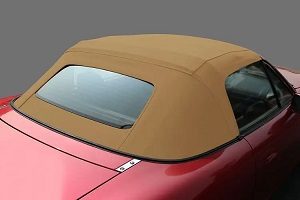
How Much Does A Convertible Top Replacement Cost?
Updated on | Written by Alec Pow
This article was researched using 7 sources. See our methodology and corrections policy.
A professionally installed convertible soft top usually costs $1,200 to $3,000 for a common vehicle. A basic vinyl replacement on an older manual-top convertible may stay near $900 to $1,600, while an OEM-style canvas top with heated glass, headliner work, new cables, or frame repairs can cost $2,500 to $5,000+.
Powered retractable hardtops should be priced separately. Repairing a sensor, latch, wiring fault, hydraulic hose, motor, pump, or cylinder may cost $300 to $2,500. Replacing several hydraulic components, repairing bent roof mechanisms, or installing a complete roof assembly can raise the bill to $5,000 to $10,000+.
The advertised fabric price is rarely the completed cost. Labor, rain rails, tension cables, pads, seals, headliners, heated-window wiring, hydraulic repairs, interior drying, alignment, and leak testing may all appear as separate charges.
Article Highlights
Jump to sections
- A common professionally installed soft top costs $1,200 to $3,000 (at $30 per hour, earning that amount would take about 1 to 2.5 full-time workweeks, before taxes).
- A basic replacement top alone may cost $300 to $900.
- Premium canvas tops with heated glass can cost $900 to $1,800+ before labor.
- Installation labor commonly adds $700 to $1,500+.
- Frame, rain rail, headliner, cable, seal, or drainage work can add hundreds or thousands.
- Retractable hardtop repairs range from minor electrical fixes to $10,000+ mechanical rebuilds.
- A torn seam, separated window, hydraulic leak, or failed cable may be repairable without replacing the whole roof.

How Much Does a Convertible Top Replacement Cost?
| Convertible roof service | Planning cost | What the price usually covers |
|---|---|---|
| Small soft-top patch or seam repair | $150 to $600 (about 0.6 to 2.5 full-time workdays at $30 per hour) | Localized repair when the surrounding material remains usable |
| Plastic or glass rear-window repair | $300 to $1,200+ | Window section, bonding, zipper, or panel work |
| Basic vinyl soft-top replacement | $900 to $1,800 | Aftermarket top and standard installation |
| Canvas soft top with glass window | $1,400 to $3,000 | Premium fabric, heated glass, and installation |
| Luxury or complex soft-top replacement | $2,500 to $5,000+ | OEM-style materials, headliner, seals, cables, and added labor |
| Hydraulic hose or cylinder repair | $500 to $2,500+ | Diagnosis, parts, trim removal, fluid, and labor |
| Powered soft-top mechanism repair | $800 to $4,000+ | Motor, pump, sensors, latches, wiring, or frame work |
| Retractable hardtop repair | $1,000 to $10,000+ | Electrical, hydraulic, mechanical, seal, or panel repairs |
Current specialist pricing supports a much higher labor allowance than the old $300 to $800 estimate. Revive Convertible Car Care lists $700 installation labor for a customer-supplied Robbins top on a Mazda Miata or Honda S2000. That is a specialist starting point for known models, not a ceiling for every vehicle.
Robbins currently lists a BMW Z4 replacement canvas top with heated glass at about $1,241.85 before installation. Its more complex Volkswagen New Beetle power-top assembly starts near $1,540.20.
These product prices explain why a complete premium installation can exceed $2,500 without any frame or hydraulic damage. A top costing $1,500 plus $900 in labor already totals $2,400 before cables, seals, taxes, shipping, or interior repairs.
What Counts as a Convertible Top

A soft top is a tailored vinyl or woven fabric cover fitted over a folding frame. Depending on the vehicle, the assembly may include a plastic or glass rear window, headliner, insulation, tension cables, listing strips, pads, retainers, rain rail, weather seals, bows, latches, hydraulic cylinders, motor, or pump.
A removable hardtop is a separate rigid roof shell that can be lifted off the vehicle. Buying or refinishing one is different from repairing a power-folding retractable hardtop.
A retractable hardtop uses several hinged metal, composite, or glass roof panels that fold into the trunk or rear compartment. It depends on vehicle-specific motors, hydraulic parts, switches, position sensors, wiring, hinges, locks, control modules, seals, and alignment points.
These three products should not be priced under one average. Replacing fabric on a manual Mazda Miata is not comparable with diagnosing a Mercedes-Benz, BMW, Volvo, or Volkswagen roof that stops halfway through a powered cycle.
Vinyl vs Canvas Pricing
Vinyl is usually the lower-cost replacement material. A simple model-specific vinyl top with a plastic window may cost $300 to $650 (about 1.3 to 2.7 full-time workdays at $30 per hour) before installation. Vinyl can match the factory appearance of many older domestic and Japanese convertibles.
Canvas-style topping uses woven outer fabric with rubber or synthetic barrier layers and a backing. Trade names include Stayfast, Twillfast, Sonnenland, and other Haartz materials. The fabric has a richer appearance and is common on European and premium convertibles.
A canvas top with glass commonly costs $600 to $1,500+ before labor. Factory-style details, special colors, acoustic layers, bonded retainers, heated glass, and imported topping can raise the product price.
Haartz manufactures many of the fabric and vinyl materials used by automakers and aftermarket top companies. Its convertible topping range includes several constructions rather than one universal canvas grade.
The cheapest replacement may be cheap because it omits factory-style reinforcements, retainers, seams, glass, rain rails, pads, or sound-control layers. Compare what is sewn or bonded into the product before comparing the price.
Labor Is a Major Cost
Replacing a soft top requires removing interior trim, weather seals, fasteners, staples, cables, rails, and the old covering without damaging the frame. The installer cleans the structure, checks bows and mounting points, transfers or replaces components, positions the new material, tensions it, and reassembles the car.
A relatively simple top may require five to eight hours. A complex power top with a separate headliner, glass, molded retainers, multiple bows, and limited access can require ten to twenty hours or more.
Robbins lists an estimated six installation hours for some basic plastic-window applications and recommends professional installation through an automotive upholstery shop. Its care and installation guidance says trained trim shops have the tools and experience required to fit the top correctly.
Modern specialty-shop labor can exceed the old $60 to $120 per hour range. A top requiring ten hours at $140 per hour produces $1,400 in labor before parts.
A poorly fitted top may wrinkle, leak, rub the frame, strain the motor, break the rear window, or fail to latch. Correct tension and alignment matter as much as the fabric itself.
Parts Often Left Off the Quote
A fabric-only listing may not include the parts that attach the top to the car. Before ordering, check whether the kit includes a rear window, rain rail, tension cables, side cables, pads, listing strips, retainers, straps, weather seals, and mounting hardware.
A new rain rail for a Miata may add $100 to $250. Tension cables commonly cost $50 to $200 per set. Bow pads or side pads may add another $100 to $350.
A separate headliner can cost $250 to $900+ before installation. Glass with a working defroster costs more than a plastic rear window, while wiring or connector repairs create another labor charge.
Old weather seals may tear during removal or fail after the new top is tensioned. A full seal set for a premium convertible can cost several hundred or more than $1,000.
Interior water damage is outside the top price. A long-running leak may require drying, odor treatment, electrical diagnosis, seat removal, sound insulation, or carpet replacement.
Repair Before Replacement
Not every leak or operating problem means the fabric must be replaced. A specialist should identify whether the failure is in the covering, window, frame, seals, drainage system, latch, motor, hydraulic system, switch, sensor, or wiring.
A small tear away from a tension point may be patched. A loose seam may be restitched if the surrounding fabric remains strong. A separated plastic window or zipper panel can sometimes be replaced without removing the full top.
Some bonded glass windows cannot be repaired reliably once the bond separates from deteriorated fabric. In that case, replacing only the window section may fail again, making a complete top the better value.
Water entering behind the seats may come from a blocked drain or cracked rain rail rather than the roof fabric. Paying $2,000 for new canvas will not correct an overflowing drain tray.
A power top that moves slowly or unevenly may have low hydraulic pressure, leaking cylinders, damaged hoses, weak voltage, a binding hinge, or sensor trouble. Continuing to operate it can bend frame parts or damage the pump.
Hydraulic Roof Costs
Many powered soft tops use an electric pump to move hydraulic fluid through hoses and cylinders. Fluid stains inside the trunk, rear quarter panels, or headliner can indicate a leaking line or cylinder.
A single replacement cylinder may cost $250 to $800+, with labor ranging from $400 to $1,200 when trim and roof components must be removed. Replacing paired cylinders can be sensible when both are the same age and labor access overlaps.
Hydraulic specialists may rebuild original cylinders or manufacture replacement hoses rather than sell a full factory assembly. Cabriolet Hydraulics describes its service as a rebuild alternative to OEM parts, which can lower the parts bill on older vehicles.
The pump itself may cost $500 to $2,000+. Diagnosis, fluid, bleeding, wiring work, and trim removal are extra. A pump should not be replaced until leaks, relays, fuses, sensors, voltage, and mechanical binding have been checked.
Retractable Hardtop Repairs
A retractable hardtop should be diagnosed by the failed component rather than quoted as a fabric replacement. The roof may stop because of one micro-switch, broken wiring, low hydraulic fluid, a worn latch, damaged deck-lid mechanism, or a roof panel that is out of alignment.
A minor switch or wiring repair may cost $300 to $900. A latch, motor, or hydraulic repair can cost $800 to $3,000+. Several cylinders, a pump, damaged hinges, roof-panel repair, or major disassembly may push the invoice past $5,000.
Complete replacement assemblies from a dealer can cost far more than an independent repair using rebuilt hydraulic parts or a used roof frame. That does not make every used assembly a safe purchase. It must match the vehicle, option package, control system, seals, and body alignment.
Do not repeatedly cycle a roof that stops, twists, makes a grinding sound, or moves one side faster than the other. One failed part can overload the rest of the mechanism.
Three Model Scenarios
Older Mazda Miata: A quality canvas top with heated glass may cost $700 to $1,000. Add $700 in specialist labor, a $150 rain rail, and $100 in cables or hardware. The completed price is about $1,650 to $1,950.
BMW Z4 soft top: A current premium replacement top can cost about $1,242 before labor. Adding $1,200 in installation, $350 in seals or cables, and $150 in supplies creates a planning total near $2,942.
Powered luxury convertible: Replacing fabric, headliner, and seals may begin around $3,000. Two leaking hydraulic cylinders, added diagnosis, and interior trim work can raise the project to $5,000 to $7,000+.
These are scope examples, not promises for every model. Vehicle-specific parts availability, frame condition, local labor, and dealer-only components can move the totals sharply.
ThePricer Miata Calculation
Consider an older Miata receiving a Stayfast canvas top with heated glass. The replacement top costs $910. Installation labor is $700, matching one current specialist’s posted labor rate.
- Canvas top with heated glass: $910
- Professional installation: $700
- New rain rail: $150
- Tension cables and hardware: $125
- Shop supplies and water test: $65
The total installed cost is $1,950. The top material accounts for 46.7% of the invoice. Labor and supporting parts account for the remaining 53.3%.
ThePricer calculation: budgeting only for the $910 product would understate the completed job by $1,040, or about 114%. This is why online top prices should not be presented as replacement totals.
Frame Damage Changes the Budget
The folding frame should be inspected after the old covering is removed. Bent bows, cracked brackets, worn pivots, corrosion, loose rivets, missing stops, and damaged latches can prevent the new top from fitting correctly.
A minor bracket or adjustment may add $100 to $400. Replacing a bow, latch assembly, or frame section can add $500 to $2,000+. A complete new OEM frame can cost several thousand dollars before labor.
Accident damage around the windshield header, quarter panels, trunk lid, or roof mounts may require body repair before the top can be aligned. A related car body-panel replacement should be quoted separately from upholstery work.
Installing new fabric over a twisted frame can create immediate wrinkles, uneven gaps, broken glass, or leaks. The shop should disclose frame concerns before stretching and fastening the replacement top.
Insurance and Vandalism
Comprehensive auto insurance may cover a convertible top damaged by vandalism, theft, falling objects, fire, hail, or another covered non-collision event. Collision coverage may apply when the roof mechanism is damaged in a crash.
Normal wear, shrinking, failed stitching, faded fabric, worn seals, mechanical breakdown, and age-related leaks are usually maintenance rather than covered losses. Policy language and deductibles control the result.
A sliced top may look like a fabric-only claim, but broken headliners, cut wiring, damaged frames, water intrusion, and interior theft can raise the repair estimate. Photograph the damage before temporary repairs and follow the insurer’s claim procedure.
A dealer may quote a complete OEM assembly while an upholstery specialist proposes replacing only the damaged covering. The insurer may compare repair methods, vehicle value, warranty, and parts availability before authorizing payment.
How Long a Soft Top Lasts
A quality soft top can last 7 to 12 years or longer when the car is garaged, cleaned correctly, and operated within the manufacturer’s temperature guidance. A vehicle stored outside in strong sun, freezing weather, coastal air, or heavy rain may need a new top much sooner.
Vinyl does not always last longer than canvas. Product quality, stitching, window construction, storage, climate, and frequency of folding matter more than one universal material ranking.
Plastic rear windows can haze, scratch, crack, or crease before the surrounding fabric wears out. Heated glass lasts longer optically but adds weight and stress around the bonded window opening.
Robbins provides limited product warranties of up to five years for qualifying tops and glass windows under its current warranty terms. A five-year warranty is not the same as a predicted five-year lifespan.
Care That Prevents Early Failure
Wash the top using products approved for its vinyl or fabric material. Remove bird droppings, tree sap, dirt, and road residue before they remain embedded in the surface.
Do not lower the top while it is wet. Folding wet material can trap moisture, crease the window, create stains, and promote mildew.
Robbins warns against raising or lowering a convertible top below 40°F because cold material and window components can be damaged. The vehicle owner’s manual should take priority when it specifies another limit.
Use a soft brush or cloth rather than abrasive pads. Keep drains clear, inspect seals, and respond to damp carpet before water reaches control modules or wiring.
Do not lubricate random roof components with a general spray. Hinges, seals, latches, and hydraulic systems may require different products. Use the vehicle service information or a specialist’s instructions.
DIY vs Professional Installation
A DIY replacement can save $700 to $1,500+ in labor, but it is not a quick upholstery job. The installer must maintain alignment and equal tension while avoiding damage to the fabric, frame, glass, trim, and weather seals.
Basic hand tools may be enough for some older manual tops. Other vehicles need trim tools, riveters, staple equipment, adhesives, crimping tools, spring compressors, diagnostic software, or procedures for placing the mechanism in a service position.
A top installed too tightly may not latch. One fitted too loosely can flap, wrinkle, collect water, or wear against the frame. Misplaced fasteners can puncture the rain rail or create leaks hidden behind interior trim.
DIY makes the most sense on a well-documented older model with a straight frame, complete kit, dry workspace, and installer willing to stop if the roof cannot be aligned. Hydraulic and retractable-hardtop diagnosis belongs with a specialist.
When Replacement Makes Sense
Replace the full soft top when:
- The fabric is brittle, shrinking, faded, or torn in several areas.
- The rear window is separating from deteriorated surrounding material.
- Multiple seams, cables, or attachment points are failing.
- A local repair would cost a large share of a complete replacement.
- The top no longer seals even after adjustment and seal inspection.
Repair first when:
- The leak comes from a drain, rain rail, or isolated weather seal.
- The fabric remains flexible and only one seam or small section is damaged.
- A hydraulic hose, cylinder, switch, latch, or motor has failed.
- The top is misaligned but the frame and covering remain usable.
- The rear window panel can be replaced independently on that model.
Before Accepting a Quote
Ask whether the estimate includes the complete top, rear window, headliner, rain rail, pads, tension cables, seals, hardware, labor, disposal, taxes, and water testing.
Confirm the brand, material, color, window type, warranty, and whether the product matches the original factory construction. Ask whether the shop supplies the top or installs customer-provided products.
Request a separate diagnosis for frame, electrical, hydraulic, latch, and drainage problems. A fabric installer may not repair control modules or hydraulic parts, while a general mechanic may not have upholstery experience.
Check how hidden damage will be handled after disassembly. The work order should describe who approves added parts and what happens if the frame is rusted, bent, or missing reusable hardware.
Related open-roof repairs should also be separated. A malfunctioning factory convertible roof is different from the cost of an aftermarket sunroof installation.
What We Verified
- Checked current replacement-top prices using active Robbins listings for BMW and Volkswagen models.
- Confirmed a posted $700 specialist installation price for customer-supplied Miata and S2000 tops.
- Cross-referenced convertible material construction with current Haartz product information.
- Verified Robbins guidance on professional installation and operation below 40°F.
- Confirmed that hydraulic cylinders, hoses, pumps, switches, and roof frames are separate repair categories.
- Checked current Robbins warranty periods and conditions for replacement tops and windows.
Answers to Common Questions
How much does it cost to replace a convertible soft top?
A professionally installed soft top commonly costs $1,200 to $3,000. Luxury vehicles, premium materials, headliners, glass, seals, or frame repairs can raise the total to $3,000 to $5,000+.
Can a convertible top be repaired instead of replaced?
Yes. Small tears, seams, rear-window panels, drains, seals, cables, latches, and hydraulic parts may be repairable when the surrounding top remains in good condition.
How much is labor to install a convertible top?
Labor commonly costs $700 to $1,500+. Complex powered tops and luxury models can require much more time.
How much does a retractable hardtop repair cost?
A minor sensor, switch, or wiring repair may cost $300 to $900. Hydraulic, motor, latch, frame, or roof-panel work can cost $1,000 to $10,000+.
How long should a convertible soft top last?
A quality top can last about 7 to 12 years or longer. Climate, outdoor storage, cleaning, material, window type, and folding habits affect its life.
Should a convertible be stored with the top up or down?
Store it with the top raised, latched, clean, and dry. Long-term folded storage can create creases, shrinkage, window damage, and uneven tension.
Disclosure: Educational content, not financial advice. Prices reflect public information as of the dates cited and can change. Confirm current rates, fees, taxes, and terms with official sources before purchasing. See our methodology and corrections policy.