ThePricer Media
  • Latest: When Is an Electric Car Actually Cheaper?
  • Cost Guides
  • News & Investigations
  • Daily Price Puzzle (60s)
  • Methodology
  • Press & Mentions
  • Contact
  • Click to open the search input field Click to open the search input field Search
  • Menu Menu
Family & Lifestyle, Sports & Hobbies, Travel

How Much Does a Gyrocopter Cost?

Updated on July 26, 2026 | Written by Alec Pow
This article was researched using 6 sources. See our methodology and corrections policy.

A modern new two-seat gyrocopter, more formally called a gyroplane, typically costs $80,000 to $180,000+ in 2026. Open-cockpit kits may start near $50,000 to $80,000 before the engine, propeller, avionics, paint, assembly, and certification, while enclosed factory-built models can cost $150,000 to more than $225,000.

Used gyroplanes commonly sell for $20,000 to $150,000+. Older experimental aircraft and unfinished projects occupy the lower end, while late-model AutoGyro Cavalon, Calidus, MTOsport, and comparable aircraft can still sell for $75,000 to $135,000+.

The purchase price is only the beginning. A buyer may also pay for transition training, a prebuy inspection, sales tax, transportation, aircraft registration, an airworthiness inspection, insurance, hangar space, maintenance, fuel, and engine, rotor, and propeller reserves.

Article Highlights

Jump to sections
  • Does a Gyrocopter Cost?
  • What a Gyroplane Is
  • Ultralight vs Experimental Aircraft
  • Kit Price vs Ready-to-Fly Price
  • Completed Kit Example
  • Engine Choice Changes the Price
  • Used Gyroplane Inspection
★ Prefer ThePricer on Google
  • A modern new two-seat gyroplane commonly costs $80,000 to $180,000+ (at $30 per hour, earning that amount would take about 1.3 to 2.9 years of full-time work, before taxes).
  • Factory-built enclosed models can exceed $200,000 with premium engines and avionics.
  • Experimental kits may start near $50,000 before major components and assembly.
  • Used gyroplanes range from roughly $20,000 to $150,000+.
  • Training can add $3,000 to $8,000+ before the buyer is ready to fly independently.
  • Annual fixed and operating expenses may total $10,000 to $25,000+.
  • A low advertised kit price rarely represents a complete, ready-to-fly aircraft.
How Much Does a Gyrocopter Cost?

How Much Does a Gyrocopter Cost?

Gyroplane category Typical price What the price may include
Older single-seat experimental gyroplane $15,000 to $40,000 (about 2.9 to 7.7 months of full-time work at $30 per hour) Used aircraft with basic instruments and limited equipment
Modern single-seat ultralight or experimental model $25,000 to $60,000+ Kit or completed aircraft, depending on certification category
Two-seat experimental kit $50,000 to $100,000+ Airframe kit with major equipment potentially excluded
Completed open-cockpit two-seater $80,000 to $120,000+ Engine, rotor, propeller, basic avionics, and assembly
Enclosed two-seat gyroplane $130,000 to $225,000+ Premium engine, cabin, avionics, heating, and factory equipment
Late-model used gyroplane $70,000 to $150,000+ Completed aircraft with flight time and maintenance history
Unfinished project $8,000 to $40,000+ Partial kit that may need costly missing components and labor

AutoGyro USA currently lists the MTOclassic kit from $70,000, the MTOsport 2017 kit from $80,000, and the factory-built MTOsport from $85,000. Its enclosed Cavalon starts at $145,000 as a kit and $150,000 factory-built, with prices affected by exchange rates and equipment.

Current used listings show the market’s wider spread. Barnstormers has advertised older RAF 2000 aircraft near $15,000 to $26,000, MTO models near $75,000 to $85,000, and Cavalon aircraft from about $89,000 to $135,000+.

What a Gyroplane Is

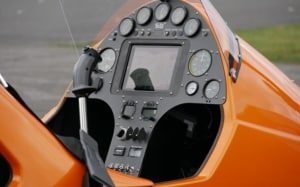
Open cockpit and flight controls of a gyroplane

A gyroplane uses a freely turning rotor to generate lift and a separate engine-driven propeller to provide forward thrust. The rotor normally operates in autorotation rather than being powered directly by the engine.

This makes a gyroplane different from a helicopter. A conventional gyroplane cannot hover, take off vertically, or land vertically under normal operation. AutoGyro describes its MTOsport as capable of short takeoffs and landings but explicitly states that it cannot hover or operate vertically.

Gyroplanes can fly at relatively low speeds and land within a short distance when operated correctly. They still require a suitable runway or operating area, obstacle clearance, permission to use the property, compliant airspace, and trained pilot judgment.

Related guides

  • How Much Does a Carefree Boat Club Membership Cost?
  • How Much Does Skydiving Cost?
  • How Much Does a Football Helmet Cost

Ultralight vs Experimental Aircraft

Not every gyroplane is an ultralight. In the United States, Part 103 ultralight vehicles are generally single-seat aircraft operating within strict weight, fuel, speed, and performance limitations.

Most modern two-seat gyroplanes are registered experimental aircraft, experimental light-sport aircraft, or factory-built special light-sport aircraft. Their operating privileges, maintenance rules, inspections, and pilot requirements differ.

A very light single-seat aircraft may avoid normal aircraft registration and pilot certification when it fully qualifies under Part 103. Adding a second seat, excess empty weight, a larger fuel supply, or higher performance can place the aircraft outside that category.

Buyers should verify the aircraft’s actual registration and airworthiness documents rather than relying on a seller calling it an ultralight.

Kit Price vs Ready-to-Fly Price

A gyroplane kit may include the frame, landing gear, controls, seats, rotor mast, fairings, and selected hardware while excluding several of the most expensive components.

Possible exclusions include:

  • Engine
  • Propeller
  • Rotor blades and hub
  • Radio and transponder
  • ADS-B equipment
  • Flight and engine instruments
  • Paint and upholstery
  • Wiring and lighting
  • Assembly labor

SilverLight Aviation’s AR-1 pricing page lists avionics and equipment separately, including about $1,500 (about 1.3 full-time workweeks at $30 per hour) for a Garmin G5, $3,250 for a Trig transponder, and $2,000 for an ADS-B package. Its painted composite option adds another $4,000.

An apparent $50,000 kit can become a $90,000 to $120,000 aircraft after the engine, propeller, instruments, assembly, paint, shipping, and certification are added.

Completed Kit Example

Consider a two-seat experimental kit advertised at $55,000. The buyer selects a Rotax engine, modern avionics, professional assembly assistance, and basic paint.

  • Airframe kit: $55,000
  • Engine and installation package: $32,000
  • Propeller and rotor components: $8,500
  • Avionics and ADS-B: $9,500
  • Paint and upholstery: $5,000
  • Builder assistance and final setup: $12,000
  • Shipping, inspection, and registration: $3,500

The completed aircraft costs $125,500. The advertised kit represents only 43.8% of the ready-to-fly total.

ThePricer calculation: finishing the aircraft adds $70,500, or about 128% above the initial kit price. Buyers should request a complete equipment list before comparing kits with factory-finished aircraft.

Engine Choice Changes the Price

Many modern gyroplanes use Rotax engines. The 100-horsepower Rotax 912 series commonly appears in lighter open aircraft, while turbocharged or fuel-injected 914, 915 iS, and 916 iS engines support heavier cabins and stronger performance.

A more powerful engine can add tens of thousands of dollars to the aircraft price. It may also increase fuel burn, insurance value, replacement reserves, maintenance complexity, and the cost of engine-specific training.

An inexpensive used aircraft with an automotive-engine conversion requires careful review. The conversion’s cooling, reduction drive, wiring, fuel system, history, and parts support may affect reliability and resale value.

Used Gyroplane Inspection

A used gyroplane should receive a prebuy inspection from someone experienced with the exact design, engine, rotor system, and certification category. A general aircraft mechanic may not know the model’s common problems.

Review the airframe and engine logs, annual condition inspections, operating limitations, registration, airworthiness certificate, weight-and-balance data, service bulletins, and major modifications.

Inspect rotor blades for damage, corrosion, improper handling, and strike history. Check the propeller, mast, landing gear, control system, prerotator, fuel system, wiring, engine mounts, and tail structure.

A prebuy may cost $750 to $2,500+, plus travel and disassembly. This is small compared with discovering an undocumented rotor strike, expired engine components, unavailable replacement parts, or an aircraft that cannot legally carry a passenger.

Training and Certification Costs

A U.S. sport pilot certificate with a gyroplane rating generally requires at least 20 hours of flight time under the applicable training rules. The minimum includes dual instruction and solo flight, but many students need additional hours before they are prepared for the practical test.

The FAA maintains current certification and operating information on its sport pilot page.

Gyroplane instruction may cost $150 to $300+ per hour when aircraft rental and an instructor are included. Ground instruction, written-test preparation, examiner fees, travel, and additional transition training create separate costs.

A realistic training budget is often $4,000 to $8,000+. An insurance company may require a specific number of hours with an approved instructor before allowing solo or passenger operations in the purchased aircraft.

Medical Requirements

A sport pilot may meet the medical requirement using a valid U.S. driver’s license or an FAA medical certificate, subject to restrictions and the pilot’s medical history. The FAA confirms both options in its sport pilot medical guidance.

A driver’s license does not allow a pilot to ignore a medical condition that would make flight unsafe. Previous FAA medical denial, suspension, revocation, or withdrawal can also affect eligibility.

Other pilot privileges or aircraft operations may require an FAA medical certificate or BasicMed. Buyers should establish which certificate and medical path applies before purchasing an aircraft.

Insurance Costs

Gyroplane insurance depends heavily on aircraft value, pilot experience, training, claims history, model, engine, seating, storage, and requested liability limits.

Liability-only coverage may cost under $1,000 per year for some experienced owners. Hull and liability coverage on a high-value two-seat aircraft can cost $2,000 to $6,000+ annually, particularly for a new gyroplane pilot.

Some insurers require transition training, instructor signoff, or a minimum number of hours in the model. A buyer should obtain an insurance quote before placing a nonrefundable aircraft deposit.

Hangar and Storage Costs

A gyroplane can occupy less floor area when the rotor is removed, folded, or positioned carefully, but rotor handling creates its own risk. Rotor blades must be supported and protected according to the manufacturer’s instructions.

Outdoor tie-down space may cost $75 to $250 per month. Shared or basic hangar space may cost $200 to $600 per month, while enclosed hangars in expensive metropolitan markets can exceed $1,000 per month.

Current aircraft hangar costs vary sharply by airport availability, location, electricity, security, and door size.

Fuel and Hourly Cost

Gyroplane fuel planning should use gallons per hour rather than road-style miles per gallon. Fuel burn varies with engine, speed, weight, altitude, propeller, and operating technique.

A smaller Rotax-powered gyroplane may burn about 4 to 6 gallons per hour. More powerful turbocharged models may use 6 to 10 gallons per hour.

At $6.50 per gallon, a six-gallon hourly burn costs $39 per flight hour. Add oil, engine reserve, propeller reserve, rotor reserve, scheduled maintenance, and unscheduled repair allowance, and the direct operating cost may reach $80 to $160+ per hour.

Annual Ownership Budget

Consider an owner flying 75 hours per year in a $110,000 two-seat gyroplane:

  • Insurance: $3,000
  • Hangar: $4,800
  • Condition inspection and routine maintenance: $2,500
  • Fuel at $39 per hour: $2,925
  • Engine, rotor, and propeller reserves: $4,500
  • Training, charts, subscriptions, and supplies: $1,000

The annual total is approximately $18,725 before financing, taxes, upgrades, or major repairs. At 75 hours, that equals about $250 per flight hour.

A lower-value aircraft stored at home may cost much less. A financed enclosed gyroplane in an expensive hangar can cost considerably more.

Where a Gyroplane Can Operate

A gyroplane’s short landing distance does not give its owner permission to use any open field. Operations must comply with airspace rules, aircraft operating limitations, property rights, airport requirements, local ordinances, and safe obstacle clearance.

Some private property may support legal operations when the landowner has permission, suitable space, and no local restriction. Insurance may impose additional requirements.

A gyroplane is useful for recreational flying and regional travel, but it is not a direct helicopter replacement. It cannot normally hover beside an obstacle, depart vertically from a confined site, or remain stationary in the air.

When Buying One Makes Sense

May make sense when:

  • You want recreational open-air or light-aircraft flying.
  • Qualified gyroplane instruction is available nearby.
  • You can obtain insurance before completing the purchase.
  • The aircraft has strong parts, engine, and manufacturer support.
  • You can afford maintenance reserves rather than only the purchase payment.

Needs more caution when:

  • The price appears unusually low because the aircraft is unfinished.
  • Logs, inspection history, or airworthiness documents are missing.
  • The aircraft uses an uncommon engine or unsupported modification.
  • You expect helicopter-like vertical performance.
  • The budget does not include training, hangar, insurance, and major repairs.

Before Making an Offer

Verify whether the aircraft is a Part 103 ultralight, experimental amateur-built aircraft, experimental light-sport aircraft, or special light-sport aircraft. Confirm what maintenance and inspection privileges apply.

Obtain an insurance indication using the exact model, hull value, pilot experience, and training plan. Arrange a model-specific prebuy inspection and review all logbooks.

For a kit, request a line-by-line list of what is included and excluded. Price the engine, rotor, propeller, avionics, assembly, paint, shipping, and certification before comparing it with a completed aircraft.

Training is part of the acquisition cost. Readers starting from no certificate can compare the wider cost to become a pilot, while owners planning to maintain experimental aircraft should understand when an A&P mechanic or repairman certificate holder is required.

What We Verified

  • Checked current new AutoGyro kit and factory-built prices.
  • Compared active used gyroplane listings across several price levels.
  • Confirmed that modern two-seat gyroplanes are not generally Part 103 ultralights.
  • Verified current FAA sport pilot and medical guidance.
  • Separated kit prices from engines, avionics, assembly, and certification.
  • Confirmed that conventional gyroplanes cannot hover or take off vertically.

Answers to Common Questions

How much is a new gyrocopter?

A modern new two-seat gyroplane commonly costs $80,000 to $180,000+. Premium enclosed models with powerful engines and advanced avionics can exceed $200,000.

How much is a used gyroplane?

Older experimental aircraft may cost $15,000 to $40,000. Late-model used two-seaters commonly sell for $70,000 to $150,000+.

Can a gyroplane take off vertically?

A conventional gyroplane cannot hover or take off vertically. It normally requires forward ground movement for takeoff, although some specialized jump-takeoff designs exist.

Do you need a pilot certificate?

Most two-seat gyroplanes require an appropriate pilot certificate and gyroplane privileges. A qualifying single-seat Part 103 ultralight operates under a different set of rules.

How much does gyroplane training cost?

A reasonable budget is $4,000 to $8,000+. The final amount depends on hourly aircraft rental, instructor rates, student progress, travel, and examiner fees.

How much does it cost to own a gyroplane each year?

Annual ownership can range from roughly $10,000 to $25,000+ after insurance, storage, maintenance, fuel, training, and component reserves. Financing and major repairs are extra.

Disclosure: Educational content, not financial advice. Prices reflect public information as of the dates cited and can change. Confirm current rates, fees, taxes, and terms with official sources before purchasing. See our methodology and corrections policy.

by Alec Pow
1 reply
  1. Arthur Tillman
    Arthur Tillman says:
    January 30, 2023 at 5:11 am

    I’m sure interested in flying around in a gyroplane…

Comments are closed.

ThePricer cost research Independent price research used by media, universities and public institutions.

We research provider pricing, market examples, buyer reports, hidden fees and public records.

Methodology · Citations · Newsroom
© 2014 - 2026 - ThePricer Media, LLC, 4 Grove Street, New York, NY, 10014, Phone: (212) 431-2441
We don’t use affiliate links or paid placements. All sources are cited only for verification.
  • Link to X
  • Link to LinkedIn
  • Link to Facebook
  • Link to Instagram
  • Link to Pinterest
  • Link to Youtube
  • Contact Us
  • About Us
  • Press & Mentions
  • Careers
  • Meet the Founder
  • Privacy Policy
  • Editorial Ethics
  • Methodology
  • Corrections
  • Disclosure
  • Terms and Conditions
Scroll to top Scroll to top Scroll to top