
How Much Does a Hair System Cost?
Updated on | Researched and reviewed by Alec Pow, Founder & Pricing Investigator
Prices, claims, and calculations checked against 12 cited sources. See our research methodology and corrections policy.
A full-size human-hair system bought online currently costs about $220 to $519 across the direct-seller examples reviewed. Current full-size stock listings start around $220, while LaVivid places its standard full-size systems at about $269 to $519. Professionally serviced or custom arrangements can cost much more over a year.
The purchase price is only one part of the budget. Replacement frequency, cut-in, reattachment, supplies, salon visits, and custom options can move annual spending into several thousand dollars. A cheap unit that needs monthly replacement can cost more per year than a slightly pricier system that lasts three or four months.
Article Highlights
Jump to sections
- Many current full-size online systems cost about $220 to $519 per unit.
- A $239 ultra-thin system replaced monthly costs $2,868 per year in units alone.
- A $249 system lasting three to four months costs about $747 to $996 per year in units.
- One specialist network lists maintenance at $75 to $200 per visit.
- Hair Club illustrates $3,000 to $5,000 yearly for a system with service, but says this is not Hair Club pricing.
- Custom options, cut-in work, and supplies can raise the annual total.

How Much Does a Hair System Cost?
Current direct-to-consumer pricing is much narrower than the old idea that every hair system costs somewhere between a few hundred dollars and several thousand. Lordhair’s current stock price list includes full systems such as the UTS at $239, SuperSkin-V at $249, SuperSkin at $269, Champion at $329, and Premier at $449. Those are unit prices before any separate salon labor or recurring supplies.
The quoted unit must match the coverage area. A low online price may describe a partial frontal or crown piece rather than a full scalp system. Base material, density, hair length, and stock versus custom construction can also change what is being sold, so a bare checkout price needs a product specification beside it.
Service quotes belong in a separate bucket from bare units. A salon or membership price can include fitting, cut-in, attachment, maintenance, replacement pieces, or color work. A direct-retail unit may include none of that labor. Comparing those figures without matching inclusions can make the online option look artificially cheap. A useful quote also names the unit size, base, hair type, density, and included salon work.
Replacement Frequency
Replacement frequency can matter more than a small difference in purchase price. Lordhair’s annual ownership guide gives very different stated lifespans across base designs. Its 0.03 mm UTS is listed around one month, while several 0.06 mm, lace, and hybrid systems are described around three to four months. Those are seller-stated life estimates, not guarantees for every wearer.
| Current system example | Unit price | Seller-stated life | Units per year | Annual unit spend |
|---|---|---|---|---|
| UTS 0.03 mm | $239 | About 1 month | 12 | $2,868 |
| SuperSkin-V 0.06 mm | $249 | 3 to 4 months | 3 to 4 | $747 to $996 |
| Champion lace | $329 | 3 to 4 months | 3 to 4 | $987 to $1,316 |
| Neo hybrid | $339 | 3 to 4 months | 3 to 4 | $1,017 to $1,356 |
The strongest price lesson is in the first two rows. The SuperSkin-V costs only $10 more per unit than the UTS, yet its stated replacement schedule puts annual unit spending about $1,872 to $2,121 lower. The arithmetic is $2,868 minus $996 at the smaller saving and $2,868 minus $747 at the larger saving. Real life can be shorter or longer based on wear, attachment, care, activity, and base condition.
The annual math changes fast. A system that looks inexpensive at checkout can become the expensive path if it is intentionally built for a shorter wearing life.
Stock and Custom Pricing
Stock systems use preset base sizes, colors, densities, curl patterns, and hair lengths. Custom orders let the buyer change more of those variables, but each change can affect price. Lordhair’s custom order price list shows base-size additions of about $40 to $150, longer-hair additions reaching $360, rush production at $59, and a cut-in option at $40. Hair-grade and density upgrades can add percentage-based charges.
That makes a headline custom-system price less useful unless the configuration is named. Lordhair gives one detailed custom example at $742.20 for a larger, longer Remy-hair configuration with several paid options. The figure is useful because it shows how a base system can climb after size, hair length, hair grade, gray, knot work, and rush service are added. It should not be treated as a normal custom price for every buyer.
Stock can be cheaper because the unit is already built to a standard specification and does not require the same set of production choices. Custom can make financial sense when the stock measurements or color mix do not fit, but a buyer should compare the finished configuration rather than the starting price shown on a custom-order page.
Hair grade, gray percentage, and length can change the quote. A starting figure only helps when it matches the base and hair specification being purchased.
Installation and Maintenance
Installation and maintenance can rival the cost of the systems themselves. Aceman’s current maintenance pricing places professional service around $75 to $200 per visit, with maintenance commonly scheduled every four to eight weeks across its specialist network. The company also says individual specialists set their own prices, so the range is a network reference rather than a national salon average.
A simple annual sensitivity shows how much cadence matters. At one visit every eight weeks, a wearer would need about seven appointments in a year, producing about $525 to $1,400 in maintenance at the cited rates. At one visit every four weeks, about 13 appointments would cost roughly $975 to $2,600. The difference between those schedules can reach $1,200 at the high visit price.
DIY wear shifts recurring labor into supplies and personal time. Tape, liquid adhesive, remover, scalp preparation, cleansing products, and styling products still have to be replaced. Those smaller purchases should be counted separately from the hairpiece and from any occasional salon labor.
Service can cost more. It can also buy labor that the online unit price excludes, such as removal, scalp cleanup, re-bonding, blending, trimming, or color work. The right comparison is annual unit spend plus annual service and supply spend.
DIY and Salon Budgets
A current specialist-network installation page lists human-hair units at $250 to $750, installation included, and maintenance at $75 to $200 per visit. It describes unit life around three to six months and maintenance around four to eight weeks, while noting that specialists set their own prices.
A low-end planning scenario can be reproduced from those published inputs. Two $250 units lasting six months each cost $500. Seven maintenance visits at $75, roughly an eight-week cadence rounded to seven visits, add $525. That produces an illustrative annual total of $1,025, with installation included under the cited network terms and supplies excluded. This is a scenario, not a network average.
Pure DIY can remove repeated salon labor from the cash budget, but it does not remove replacement units or supplies. A hybrid approach can pay for selected cut-ins or reattachments while handling other care at home. A full-service plan puts more labor into a recurring fee and may also include replacement pieces.
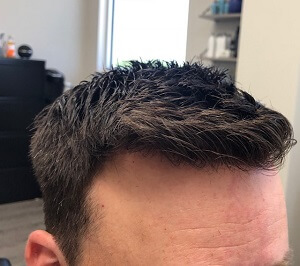
A fully serviced arrangement should be compared with other fully serviced arrangements, not with the checkout price of an uncut stock piece. This same scope issue appears in other hair-restoration spending. A FUE hair transplant has a very different payment pattern because it is a medical procedure rather than a recurring wearable product.
The annual ownership question is simple. Count how many systems you expect to replace, how many professional appointments you plan to buy, and which recurring supplies are outside the package.
Hair Club Pricing
Hair Club does not publish a standard nationwide price sheet for its own programs. Its industry annual illustration places a hair system with service at $3,000 to $5,000 per year and says the figure is not Hair Club pricing. Actual program pricing is determined individually.
Recent user reports show why one anecdote cannot become the company average. An August 2026 Reddit user reported paying $513 monthly for a Hair Club arrangement with frequent hairline and full reapplication visits. If that charge stayed unchanged for 12 months, it would equal $6,156 for the year. It is one current user report, not a posted company rate.
A 2022 Reddit poster reported a $1,695 initial payment followed by $288 monthly visits. Twelve monthly charges equal $3,456. Adding the initial payment produces $5,151 if all 12 monthly charges apply. These reports are not official Hair Club prices.
Readers considering the chain can also compare the separate Hair Club cost page, which focuses on its programs rather than the broader hair-system market. Keeping chain-specific reports there prevents one company’s service model from defining the whole category.
Hidden Costs and Upgrades
The biggest hidden costs are often ordinary options that sit outside the unit’s starting price. Longer hair, a larger custom base, Remy or virgin hair, European hair, gray blending, highlights, special curl patterns, knot work, rush production, and a professional cut-in can all move a custom quote. The custom Lordhair schedule cited earlier shows several of these charges separately, which makes the finished configuration more useful than the advertised base figure.
Supplies recur on their own cycle. Lordhair’s current adhesive listings show Ghost Bond at $29.90, C-22 remover at $12.90, and an adhesive-and-remover set at $42.50. Those are individual product prices, not a yearly supply total.
Small recurring purchases are easy to miss because they do not arrive on the same schedule as a replacement unit. A salon package may include some care products while a direct-buy route leaves all of them outside the headline price.
Do not compare a frontal patch with a full system. A lower patch price may be valid while still being the wrong reference for full-top coverage.
Hair replacement also differs from surgical treatment. Readers comparing permanent-procedure spending can review Bosley pricing, but a transplant quote should stay separate from the recurring replacement and service math of a wearable system.
Compare Annual Quotes
Build a 12-month ownership sheet with unit price, expected replacements, fitting fee, maintenance rate, visit cadence, and excluded supplies. Then compare a salon package with an online route on the same annual basis.
Ask what happens when a system wears out early. Check whether replacements are included, missed visits roll over, color work is covered, unused systems remain yours, and a contract has cancellation rules. Those terms can outweigh a small difference in the first payment.
Makes sense if
- You compare 12-month totals using the same expected replacement frequency.
- You separate bare unit prices from installed or serviced prices.
- You include recurring maintenance and attachment supplies.
- You confirm what happens when a system needs early replacement.
Does not make sense if
- You choose the lowest unit price without checking expected lifespan.
- You compare a frontal patch with a full scalp system.
- You treat one Reddit report as the standard price for a national chain.
- You compare a transplant procedure with one year of wearable-system spending as though the products are equivalent.
Medical procedures follow a different cash-flow pattern because hair systems keep generating replacement and service costs over time.
Answers to Common Questions
How much does a hair system cost?
Reviewed full-size online systems start around $220 and extend beyond $500. Custom or serviced arrangements can cost more.
How much does a hair system cost per year?
A direct-buy route can land in the low four figures, while frequent replacement and salon service can push annual spending into several thousand dollars. Hair Club illustrates $3,000 to $5,000 yearly for a serviced system but says that is not its own pricing.
How many hair systems are needed each year?
It depends on the base. Seller estimates can range from about one month for ultra-thin units to three or four months for some thicker skin, lace, or hybrid systems.
Is DIY hair-system wear cheaper?
DIY can reduce salon labor, but replacement units, attachment supplies, remover, and occasional professional help can still add cost.
How often does a hair system need maintenance?
One current specialist network describes four- to eight-week maintenance intervals. The actual schedule depends on attachment, hair growth, activity, and the system.
Disclosure: Educational content, not medical advice. Pricing varies by provider, location, and insurance. Confirm eligibility, coverage, and out-of-pocket costs with a licensed clinician and your insurer. See our methodology and corrections policy.