
How Much Does a Windshield Replacement Cost?
Last Updated on April 17, 2024
Written by CPA Alec Pow | Content Reviewed by  CFA Alexander Popinker
Dealing with a damaged, chipped, or cracked windshield is never a pleasant experience. And the costs to properly replace your windshield can really add up depending on your vehicle make and model, extent of damage, choice of OEM vs. aftermarket glass, and who performs the installation.
Prices for a new windshield typically range anywhere from $100 on the very low end to well over $1,000+ for luxury vehicles with extensive damage requiring specialty OEM glass.
This guide covers all the important factors that affect windshield replacement costs, when a basic repair may be possible instead of complete replacement, tips for choosing the right auto glass installer, navigating insurance coverage, and prudent steps to take for an optimal outcome. Let’s take a detailed look at the ins and outs of windshield repair and replacement pricing.
How Much Does a Windshield Replacement Cost?
The cost of windshield replacement varies between $100 and $1,000 depending on the type of repair and the auto glass service used.
According to CarsDirect, the price range for repair or replacement of a windshield is between $200 and $325. For instance, a windshield replacement for a passenger vehicle can cost between $257 and $324, while a sports utility vehicle windshield replacement can range from $264 to $390.
According to KBB, the cost of windshield replacement can exceed $1,000, especially for newer vehicles equipped with advanced driver assistance systems (ADAS), rain-sensing wipers, and head-up displays. These features require recalibration, which can add to the overall cost of the replacement.
Platinum Auto Glass offers a $99 windshield replacement service for certain models, but the cost can vary depending on the type of vehicle and the specific repair needed. They also offer a 3-month free rock chip warranty with their windshield replacement service.
Checkbook.org reports that windshield replacements for many models now often run $800 to $1,000, and for some popular models, they can cost $1,500 or more. This is due to the increasing amount of technology and sensors that are integrated into windshields, which require recalibration and can add to the overall cost of the replacement.
Factors Influencing the Costs of Replacement
Several important considerations significantly impact the costs you’ll pay for replacing a damaged windshield. These include:
Vehicle Make and Model – Prices can vary widely based on the specific car, truck, or SUV model needing the new windshield. More premium luxury and sports vehicles that require specialized glass and installation expertise tend to cost substantially more for replacement windshields than standard passenger sedans and economy cars.
Windshield Size and Unique Shape – Larger windshields obviously cost more to manufacture and install than smaller ones. But additionally, uniquely shaped windshields common in many modern panoramic or fastback designs can be far pricier to replace than traditional rectangular windshields. Complex curves, angles and tapering mean more elaborate molding and installation requirements.
Type of Glass Material Used – Whether you opt for original manufacturer equipment (OEM) glass or aftermarket replacement glass makes a major difference in the bottom line price. OEM parts tailored specifically to your vehicle are almost always more expensive than aftermarket generic equivalents. Specialty tinted, coated or acoustic windshield options also increase prices.
Additional Integrated Features – Many modern windshields have other tech elements like wiper blade defrosters, collision/rain sensors, antennae, alarm systems and heads-up displays (HUD) seamlessly integrated into the glass. These extra features require specialized expertise and great care to properly install and integrate when the windshield is replaced, adding labor time and glass costs.
Extent of Damage to the Windshield – A basic small chip or crack that can be repaired by epoxy injection will have much lower cost than a major 8-inch crack spanning across the driver’s sightline that necessitates total replacement of the windshield. The size, spread, and position of damage influences options and expenses.
Geographic Location and Installer – Auto glass repair and replacement costs fluctuate based on geographic area due to cost of living factors, competitive landscape, and availability of parts. An installer’s individual experience level, overhead costs, and shop reputation also impact pricing.
Gaining an understanding of these multiple cost factors empowers you to make informed decisions and budget realistically when comparison shopping repair and replacement quotes for your vehicle’s windshield.
OEM vs. Aftermarket Replacement Windshields
One major component influencing the total price you’ll pay is whether you opt for factory original manufacturer equipment (OEM) replacement glass or aftermarket glass:
- OEM Windshields – Because they are produced by your vehicle’s original manufacturer using precision-matched molding and materials, OEM windshields virtually guarantee the best fitment and seamless functionality when installed properly. However, because of the R&D and proprietary engineering behind the glass, OEM parts cost the vehicle maker substantially more to produce, resulting in a retail price premium generally between $400 to $1000 on average depending on the vehicle.
- Aftermarket Windshields – These replacement windshields are manufactured by third parties to provide a generic equivalent glass alternative at lower cost for common vehicle makes and models. Typical retail price ranges for aftermarket windshields span from $200 on the very low end to $700 on the high end. The potential tradeoff is fit and finish may not be as ideal as OEM glass, some optical distortion may occur, and integration with features like sensors may be impacted.
- Specialty OEM Glass – For high-end luxury and performance vehicles, specialty features like acoustic laminated glass, built-in antennas/sensors, camera systems, and head-up displays often necessitate using factory OEM glass. These specialty OEM windshield replacement costs can range from $800 on the low end to over $2000+ on high-end models given the highly advanced manufacturing and calibration required.
Consulting with a certified auto glass technician is wise to determine whether OEM or aftermarket glass makes the most sense depending on your vehicle, budget, and needs. In general OEM is strongly recommended to maximize quality and safety, but aftermarket can be an economical option on basic vehicles.
You might also like our articles about the cost of car hail damage repair, BMW windshield replacement, or windshield wiper motor replacement.
Can Windshield Damage Be Repaired?
When your windshield first gets minor damage like a small crack or chip, one option to consider that significantly reduces costs is having the damage repaired rather than immediately doing a full windshield replacement:
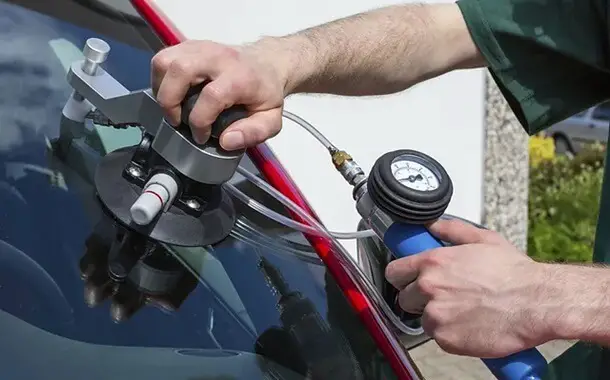
- For damage such as a crack smaller than a dollar bill or small bullseye chip without any sharp glass shards or edges, repairs are often feasible using high-strength epoxy injection to stabilize the damage and prevent spreading.
- A typical windshield crack repair ranges from $50 to $100 and can usually be completed in under an hour, restoring structural integrity and avoiding total replacement cost.
- However, if the damage spreads larger than about 3 inches in diameter, exhibits spidering cracks, or is located directly in the driver’s sightlines, full windshield replacement becomes necessary for safety.
- Replacing a windshield runs from $200 to $500+ when performed by mobile on-site glass repair technicians capable of quality installations. At specialty auto glass shops with high overhead, total replacement costs including OEM glass parts and professional installer labor often exceed $300 up to over $1000 depending on the vehicle and parts required.
Getting an assessment by a qualified glass inspector helps determine whether DIY or professional epoxy repair is feasible for your specific damage, or if only full replacement can adequately address it. Making the prudent choice between repair or replacement based on damage specifics is key to maximizing cost efficiency.
Choosing the Right Windshield Installer
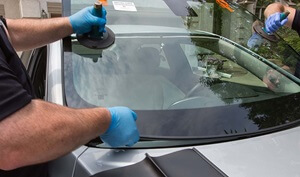 You have several options when it comes time to get your windshield installed or replaced. Finding the right provider depends on your needs and budget considerations:
Car Dealerships – Going through the authorized dealership service center ensures precise fit and function using original OEM glass parts and factory trained technicians. However, dealers have very high overhead and labor rates, often making their total replacement costs range from $600 on the very low end to well over $1200 for extensive replacements on high-line vehicles.
Local Auto Glass Shops – Long established auto glass shops with experienced technicians on staff offer a nice middle ground. They have competitive market rate pricing, often ranging total replacement costs from $300 to $800 for a basic windshield installation depending on the facility, staff skills, and if they use OEM or aftermarket glass options.
Mobile Windshield Replacement Services – For ultimate convenience, various mobile technician networks offer on-site replacement at your home or workplace so the vehicle does not have to be driven. While saving time, total costs still range $200 to $600+ depending on vehicle specifics. Parts quality and workmanship can also be less consistent with mobile services versus shop environments.
Being an informed consumer by checking companies’ online ratings, community reputation, credentials, warranties, certifications, and expertise goes a long way in choosing a trusted windshield installation provider at a competitive price point.
Auto Insurance Coverage For Windshield Replacement
The good news is that auto insurance does help alleviate the costs and headaches associated with windshield repairs or replacements. But the specifics on how much is covered and the claims process varies:
- Most standard auto insurance policies include some degree of windshield damage coverage, but that coverage has limits. Comprehensive policies with “no fault” glass coverage keep deductibles low ($50 to $200 range) and simplify the process for replacement claims.
- Cracks or chips that compromise safety and roadworthiness like those over 2 inches long or directly in the driver’s eyeline often qualify for $0 deductible replacement as an emergency repair. But confirm with your provider.
- For simpler damage claims, you pay the deductible upfront then submit proof of repair to be reimbursed by the insurance company.
Having a strong understanding of your auto policy’s glass coverage provisions helps utilize those benefits optimally when the inevitable windshield replacement situation arises. Doing your research helps reduce out-of-pocket expenditures.
Final Words
Staying informed on realistic pricing ranges, the key vehicle and damage factors that influence costs, prudent insurance provisions for auto glass, and criteria for choosing a quality installation provider, helps ensure you get the most cost-effective windshield repair or replacement service outcome.
Completing due diligence upfront and partnering with a trusted auto glass provider for an accurate quote and seamless installation process takes the hassle out of this common vehicle repair situation. Your road visibility and safety are worth getting right!
Frequently Asked Questions
Can cracked windshields be fixed rather than fully replaced?
Yes, smaller cracks and chips that have not excessively spread can often be effectively and safely repaired rather than replacing the entire windshield. Specialized epoxy resins injected under pressure restore integrity for under $100 in many cases. Inspections determine if damage has exceeded repair-ability thresholds where replacement becomes necessary.
Is it hard to replace a windshield yourself?
Windshield installation is an extremely challenging process for non-professionals. The risks of improper fit leading to leaks, optical distortions, improper bond and seal, and even total breakage of the new windshield make DIY replacement inadvisable for anyone but the most skilled. Seeking professional auto glass replacement services is strongly recommended.
How long can I safely drive with a cracked windshield?
It depends greatly on severity and location, but any visible cracks over 2 inches in the driver sightline should be addressed immediately. Even smaller cracks degrade the structural integrity dramatically over a short period of sustained vibration. Getting crack repairs or replacement before excessive spreading occurs reduces risks.


Leave a Reply
Want to join the discussion?Feel free to contribute!