
How Much Does it Cost to Resole a Shoe?
Last Updated on December 27, 2023
Written by CPA Alec Pow | Content Reviewed by  CFA Alexander Popinker
Shoes are one of the most important and often used items in the wardrobe. They will damage in time, especially the soles, and may need a resole.
Shoes resoling is one of the most common procedures that cobblers do. This method entails replacing or repairing the sole, which is the flat bottom section of the shoe that makes direct contact with the ground. The sole of the shoe will thicken with time as a result of constant pressure and countless steps on various surfaces.
Before considering throwing out the damaged shoes and purchasing a new pair, take into consideration a shoe resole.
How Much Does it Cost to Resole a Shoe?
The cost of resoling shoes is anywhere from $50 up to $140 for a simple pair of shoes. On average, you may expect to pay around $75. The cost will vary depending on the damage to the sole, the cobbler who does the job, the type of shoes, and the material that is made from.
The cost of shoe resoling is not a one-size-fits-all. During our research, we were able to gather information on several types of soles and their costs at local cobblers and you can find all this info in the table below.
| Types of Soles | Average Costs |
|---|---|
| Rubber Soles | $100 |
| Leather Soles | $90 |
| Cowboy Boots Soles | $130 |
| Vibram Soles | $120 |
| Rubber Sole Guarded Protective | $70 |
| Riding Boots Soles | $160 |
| Cowboy Boots Soles (Leather/Rubber) | $150 |
The above costs may include the shine-clean condition.
There may be cases when the shoes may only need a half-sole replacement. Below, we compiled a table and listed costs for a half-resoling depending on the material:
| Types of Half-Sole | Average Cost for Resoling |
|---|---|
| Leather Half-Sole | $65 |
| Rubber Half-Sole | $65 |
| Cowboy Boots Half-Sole | $90 |
| Riding Boots Half-Soles | $110 |
The writer of the website BootSpy.com claimed on his blog that resoling his Thursday Captain boots cost him $200. Also, he stated that for resoling a cemented boot you should expect to pay somewhere around $300 on the higher end. This high cost was due to the fact that the footbed also needed to be changed in order to replace the cemented sole.
You might also like our articles on the cost of shoe repair, wedding shoes, or fall ankle boots.
According to NuShoe.com, a complete sole replacement costs an average minimum of $65.
Forum members on AskAndyAboutClothes.com claimed that sole resoling can cost around $70 for a leather pair of shoes.
NicksBoots.com said on his website that you should expect to pay between $100 and $200 to have the shoes resoled. That cost also applies to the Vibram soles.
On CoblerTailorShoeRepair.com you can find a large list of different shoe repairing services. On average, they charge around $100 for resoling a pair of shoes.
According to Red Wing Shoes, they will resole your shoes only if they are from their brand. They may charge around $130 for a full sole replacement including new heels. Also, they provide a full repair package for $170, which includes resoling, repair, and reconditioning.
Tulsa Shoe Rebuilders has listed its costs on its official website. For resoling a pair of shoes, the cost can go from $60 up to $120.
Resoling a shoe overview
First, the cobbler will check whether the shoes need a full-sole or a half-sole replacement, or only a repair.
Resoling a shoe is a simple procedure. The cobbler will remove the old sole entirely and clean the area. Firstly, the exterior of the sole will be detached, as well as the heel and the middle part of the sole. Before applying the new sole, the area must be cleaned. In order for the new sole to match the shoe, it will be cut to its shape. Attaching the new sole will usually be done by applying a special glue, however, stitches are recommended for better durability.
Depending on the type of sole and replacement job that is required, the labor time may vary.
Generally, professional cobblers will also provide more than a simple resole. They can offer packages that can include several other services. For example, these packages can incorporate replacing the footbed, new leather stitching, new heels, and also a waterproof application.
Taking into consideration all the above steps, a job like this at a local cobbler may take around two days, with the longest part of the job being letting the glue dry. However, if you send the shoes to a company through mail, the whole process can take up to six weeks.
Most professional cobblers will guarantee the shoe resole from six months to two years.
Factors that can affect the cost of resoling shoes
When determining the cost of resoling shoes, to anticipate the expense you may want to consider the following factors:
- Sole material – Soles are made from different materials, depending on the type of shoes. From cemented soles, and leather soles to a simple rubber one, costs will vary greatly.
- Design and structure – Complex shoes such as the need to resole boots, may require more labor and material than a simple pair of sneakers.
- Overall shoe condition – If the shoes are heavily worn and present other general damages, the cobbler may be needed to resolve these issues first in order to be able to resole the shoes.
- Damage extension – Smaller defects, such as scratches or minor erosions, may just involve reconditioning at a low cost. However, extensive damage may necessitate the replacement of the half-sole or possibly the entire sole.
Extra costs for shoe repair
When replacing soles, the heel base may also need to be renewed. An extra part and related labor will come with an extra fee of $35 up to $55.
Other necessary repairs and replacements, depending on the damage, will come with some additional fees. These include the heel pad, sock liner, shank spring, and heel backing. Also, zippers are another common item that needs to be replaced.
Depending on the dimensions of your shoes, having over the average size may come with an additional fee. The extra cost may go anywhere from $30 to $50.
Take into consideration the extra fees for shipping the shoes, if you opt for an online repair service. There will be two shipments: one going to the repair shop and one coming back to you.
Adding sole and heel guards, plus refinishing the top part of the shoe, are additional services that can cost around $50 to $70 each.
Important things about shoe sole
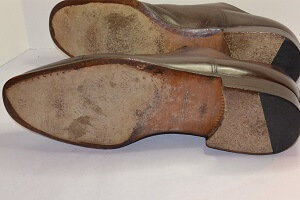 By pressing the middle of the sole, you can determine whether it needs to be replaced. If it feels weak and thin, you will definitely need to resole your shoes.
Check the bottom part of the shoe to see if it is blunted and uneven. This may affect your walking, so consider replacing the sole.
Also, check the edges of the sole for traces of wearing and uneven look.
Cleaning your shoes from dirt on a regular basis will help to protect the condition of the soles.
Keeping your shoes in a dry place and away from the heat or low temperature will help to preserve them for a longer period.
Look for a trustworthy cobbler to ensure that your shoes are correctly resoled. If any faulty work was done by the cobbler, the fixing should be done for free.
Save money on the cost to get your shoes resoled
Choose a local shoe repair shop rather than an online company, to save money on shipping costs.
Depending on the gravity of the damage and the brand and style of your shoes, the cost of resoling them may be worth more than a new pair. For example, if a brand new pair of shoes costs around $50 and the resoling cost is around the same amount or even more, this job will definitely not be worth it. Before deciding on a course of action, weigh the expenses.
Often, cobblers may provide a free heel stack replacement, so look around for multiple repair shoe stores to compare the costs and what they offer.

Leave a Reply
Want to join the discussion?Feel free to contribute!