
How Much Does a Back to the Future DeLorean Cost?
Updated on | Researched and reviewed by Alec Pow, Founder & Pricing Investigator
Prices, claims, and calculations checked against 14 cited sources. See our research methodology and corrections policy.
A standard DeLorean DMC-12 now costs roughly $50,000 to $75,000 in the 2026 collector market, while projects can still sell in the low $30,000s and exceptional low-mileage cars can reach well above $75,000. A professionally converted Back to the Future replica can sell for much more than a normal DMC-12, while a genuine screen-used movie car belongs in a separate provenance market.
Current CLASSIC.COM benchmarks put automatic DMC-12s at $59,049 and manuals at $64,866. A professionally converted 1981 Back to the Future replica sold in the UK for £76,000 on August 20, 2026. A genuine surviving Back to the Future Part III production car sold for $541,200 in 2011.
The price depends on which car is being bought: an ordinary DMC-12, a fan-built time-machine replica, or a documented screen-used vehicle. Donor-car condition, transmission, restoration needs, conversion quality, working props, provenance, and insurance value can move the budget by tens of thousands of dollars.
Article Highlights
Jump to sections
- Current DMC-12 market benchmarks are about $59,049 for automatics and $64,866 for manuals.
- A 2026 non-running project sold for $31,699, while a 296-mile example sold for $77,500.
- A professionally converted Back to the Future replica sold for £76,000 on August 20, 2026.
- The seller of that replica reported spending more than £60,000 on the conversion alone, separate from the donor car.
- A genuine Back to the Future Part III production DeLorean sold for $541,200 in 2011.
- A movie-accurate conversion does not automatically make a DMC-12 more valuable to every collector because originality also carries a premium.

How Much Does a Back to the Future DeLorean Cost?
A practical 2026 budget is $50,000 to $75,000 for a normal running DMC-12, plus whatever a serious Back to the Future conversion costs. There is no dependable national price list for a movie-accurate conversion because builders, donor condition, parts accuracy, electronics, lighting, interior props, and roadworthiness vary too much.
| Type of DeLorean | Current or documented price | What the number means |
|---|---|---|
| Automatic DMC-12 benchmark | $59,049 | Current CLASSIC.COM market benchmark |
| Manual DMC-12 benchmark | $64,866 | Current CLASSIC.COM market benchmark |
| 2026 project sale | $31,699 | Non-running 1982 five-speed project |
| 2026 low-mileage sale | $77,500 | 296-mile 1982 DMC-12 |
| Professional BTTF replica sale | £76,000 | August 20, 2026 UK auction result |
| Genuine Part III movie car | $541,200 | 2011 auction result for a screen-used production car |
The normal-car figures come from the current DMC-12 market record. The benchmark is not an appraisal for a specific car, but it is a stronger starting point than the old $25,000 to $50,000 range.
What You’re Actually Buying
The DeLorean used as the time machine in Back to the Future started as a production DeLorean with a brushed stainless-steel body, gull-wing doors, a rear-mounted 2.85-liter PRV V6, and either a five-speed manual or three-speed automatic transmission. About 9,000 cars were produced at Dunmurry in Northern Ireland, according to the Ulster Transport Museum.
A replica adds a second layer of value. Exterior components can include flux bands, rear-deck hardware, vents, cables, lighting, the plutonium chamber or Mr. Fusion setup, and film-specific details. Interior work can include the flux capacitor, time circuits, switchgear, wiring, displays, and period-style props.
A real production car and a movie replica are not interchangeable purchases. One buyer may pay more for originality and documentation. Another may value a highly accurate conversion more than an untouched DMC-12. A genuine screen-used car adds a third layer: documented film provenance.
The Replica Starts Near $60,000
The old way of pricing a replica was to take a cheap $25,000 donor and add a conversion budget. The 2026 market makes that assumption weak.
The current automatic benchmark is $59,049, while the manual benchmark is $64,866. The manual premium is $64,866 – $59,049 = $5,817, or about 9.9%. A builder chasing the film’s manual-transmission look can start with a donor that already carries a higher market benchmark.
Condition can create an even larger gap. A non-running 1982 five-speed project sold for $31,699 on May 4, 2026, according to Bring a Trailer’s auction result. A 296-mile 1982 DMC-12 sold for $77,500 on August 6, 2026.
The difference is $77,500 – $31,699 = $45,801. That is the donor-car spread before buying a flux capacitor, time circuits, rear-deck hardware, lighting, wiring, or any other movie conversion component.
A cheap project is not automatically the low-cost route. The 2026 project listing said the car had been off the road for 19 years and required recommissioning. Mechanical restoration can consume part of the apparent purchase-price saving before replica work begins.
What a Professional Replica Can Cost
A fresh market example arrived on August 20, 2026. A professionally converted 1981 DeLorean sold for £76,000 after 21 bids through Car & Classic.
The listing says professional film prop builder Sam Creed converted the car and that the owner reported spending more than £60,000 on the conversion, separate from the donor vehicle. The replica included exterior flux-band lighting, a plutonium chamber, coils, vents, cables, a flux capacitor, time circuits, switches, instrumentation, and remotely controlled lighting.
That does not establish a universal £60,000 conversion price. It does show why a convincing screen-accurate build can cost far more than a few decorative props. The seller had paid for specialized fabrication, electronics, interior work, exterior hardware, integration, and many small details that are easy to underestimate.
Hidden price check: ask whether a replica quote includes mechanical restoration of the DMC-12 itself. Movie hardware does not fix old fuel systems, cooling hoses, brakes, tires, air conditioning, door systems, electrical faults, or a neglected chassis.
Screen-Used Movie Car vs Replica
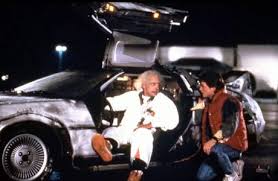
A genuine movie car should not be used as a comparable for a fan replica. In December 2011, a surviving Back to the Future Part III DeLorean sold for $541,200. Contemporary auction reporting identifies it as the car used in the drive-in sequence where Marty travels to 1885.
Another report from Motor Authority says seven DeLoreans were built for different filming purposes and three were thought to survive at the time of the auction. That does not mean all three survivors were hero cars. The old article confused “three survivors” with “three hero cars.”
The $541,200 result paid for documented production history as much as the underlying automobile. A replica can be visually excellent and still have no screen-used provenance. Conversely, a rough film-used prop can be worth far more than a cleaner replica because its history cannot be recreated.
Hidden Ownership Costs
Collector-car maintenance is the first hidden cost. DeLorean specialists still support the model, but buying a 40-plus-year-old car means budgeting for old rubber, fuel-system work, cooling, brakes, electrical faults, door hardware, interior aging, and deferred repairs. DeLorean Midwest still offers full frame-off restoration for cars that have been sitting or need major work.
Parts are still available, but substantial systems are not cheap. The official Classic DMC store currently lists a complete brake parts kit at $955.60 before installation. One old-car repair does not define annual ownership cost, but it shows why the donor’s mechanical condition matters.
Insurance deserves special attention after a conversion. Hagerty explains that modified collector cars and replicas can qualify for specialty coverage, but major modifications should be disclosed and reflected in the insured value. Its 2026 collector-insurance guidance also distinguishes agreed-value coverage from ordinary depreciated-value treatment.
Road use creates another question. A prop-heavy build may add lighting, external hardware, switches, wiring, or visibility issues that need to remain compatible with local registration and equipment rules. A car that is perfect for display is not automatically the best road-trip replica.
Three Back to the Future DeLorean Budgets
Driver-quality original car. Use the current automatic benchmark of $59,049 or manual benchmark of $64,866 as a market reference, then reserve money for inspection and deferred maintenance. This is the buyer who wants the DeLorean first and the movie connection second.
Project-based replica. Start with the actual 2026 project sale of $31,699. A lower donor price creates more room for conversion work, but the sold car was non-running after 19 years off the road. If mechanical restoration is extensive, the apparent $27,350 discount versus the automatic market benchmark can disappear quickly.
Professional screen-accurate replica. The August 2026 UK sale at £76,000 shows what buyers may pay for a completed professional conversion. The auction listing also says more than £60,000 had been spent on the conversion itself, which illustrates why completed-car resale and build cost do not always match.
Worked donor-and-restoration example
Imagine a buyer pays $31,699 for a project donor, then needs $15,000 of mechanical recommissioning before starting the movie build. The roadworthy donor basis becomes $31,699 + $15,000 = $46,699. If the replica conversion then costs $40,000, the project reaches $86,699 before tax, shipping, registration, insurance, or later upgrades.
The $15,000 and $40,000 figures in that example are hypothetical, not current quotes. The calculation shows why donor condition and replica work should be budgeted separately rather than hidden inside one “BTTF DeLorean price.”
When Paying the Replica Premium Makes Sense
Makes sense if:
- You value the Back to the Future details more than factory originality.
- The conversion is documented with photos, invoices, builder information, and a complete list of modifications.
- The donor car is mechanically sorted before expensive prop work begins.
- Your insurer has accepted the modified value and intended use.
Does not make sense if:
- You are buying mainly because you expect every modified DeLorean to appreciate faster than an original car.
- The seller uses a genuine movie-car auction price to justify a replica’s asking price.
- The conversion hides a neglected donor with major mechanical work still due.
- You prefer factory originality and would eventually pay to reverse the movie modifications.
A Back to the Future replica is closer to a custom build than a normal used-car purchase. That makes the economics more comparable with a high-end custom car build than with a stock collector vehicle.
What We Verified and Related Costs
What we verified
- Checked current 2026 auction data through CLASSIC.COM’s manual DMC-12 market, which currently benchmarks manuals at $64,866.
- Confirmed the current automatic benchmark of $59,049 through the automatic DMC-12 market.
- Cross-referenced the 2026 project market using 1982 DMC-12 auction records, including the $31,699 May project sale.
- Verified the status of the newer Alpha5 on DeLorean Motor Company’s current site, which still describes displayed vehicles as pre-production and does not publish a current retail MSRP.
Related car costs
A fictional-vehicle comparison belongs with the cost of a real working Batmobile, where donor vehicles, fabrication, props, and road use create similar price gaps. Buyers comparing the DeLorean with modern exotics can also look at Lamborghini prices.
A converted DeLorean may also need ordinary preservation work before the flashy parts go on. Current car undercoating costs show how rust prevention and underbody preparation can become separate ownership expenses on older vehicles.
Answers to Common Questions
How much does a normal DeLorean cost in 2026?
Current market benchmarks are about $59,049 for an automatic and $64,866 for a manual DMC-12. Recent sale prices range lower for projects and higher for exceptional low-mileage examples.
How much does a Back to the Future replica cost?
There is no reliable national fixed price. A professionally converted UK replica sold for £76,000 on August 20, 2026, and its seller reported more than £60,000 had been spent on the conversion separate from the donor car.
How much did a real Back to the Future DeLorean sell for?
A genuine surviving Back to the Future Part III production DeLorean sold for $541,200 in December 2011. That sale reflects movie provenance and should not be used as a normal replica price.
How many Back to the Future DeLoreans survive?
Seven cars were reported to have been created for different uses during the trilogy, and three were thought to survive when the privately owned Part III car was auctioned in 2011. The three survivors should not all be described as hero cars.
How much will the new DeLorean Alpha5 cost?
There is still no current retail MSRP published on DeLorean Motor Company’s website as of August 2026. The company’s Alpha5 reservation material says retail pricing would be communicated after engineering and sourcing were completed, so older $100,000 to $150,000 estimates should be treated as third-party projections rather than a current official price.
Price note: DeLorean values can change quickly with condition, mileage, transmission, originality, documentation, restoration quality, and auction demand. Replica values add another subjective layer tied to build accuracy and workmanship. Inspect the donor car, document the conversion, and verify insurance and road-use requirements before buying.
Disclosure: Educational content, not financial advice. Prices reflect public information as of the dates cited and can change. Confirm current rates, fees, taxes, and terms with official sources before purchasing. See our methodology and corrections policy.
Price estimate provided.