
How Much Does a Lifesource Water System Cost?
Last Updated on February 21, 2024
Written by CPA Alec Pow | Content Reviewed by  CFA Alexander Popinker
LifeSource Water Systems are one of the top providers of whole-house water filtration systems on the market today. With their innovative salt-free water softening technology and high-performance filtration systems, LifeSource aims to deliver clean, healthy water for homes and businesses.
But what exactly does a LifeSource system cost? In this comprehensive guide, we’ll break down all the factors that go into the total cost of a LifeSource water filtration system.
How Much Does a Lifesource Water System Cost?
The upfront purchase price includes the main filtration unit itself plus additional parts like pre-filters, post-filters, and storage tanks.
Expect to pay $2,000 to $7,000 for the LifeSource Water filtration system depending on the model, features, and capacity size you select.
Larger homes or properties with higher water demands will need a bigger, more robust system. Additional features like UV sterilization or RO filtration will also add to the base price.
Installation Costs
You’ll also need to factor in installation costs when budgeting for a new system. Installation fees typically range from $500 to $2,000 depending on the complexity of the job.
Simple installations in an accessible basement may fall at the lower end, while an intricate install requiring longer plumbing runs or difficult access could cost more. Get an estimate from LifeSource or your plumber ahead of time so you know what to expect.
Maintenance and Operating Expenses
Ongoing operation and maintenance are required to keep your LifeSource system running optimally. The main recurring cost is filter replacements, which are needed every 6-12 months.
Filter prices range from $50 to $100 each depending on the type and model. Annual maintenance service by a technician typically costs $150 to $300. Powering the system’s pump has minimal electrical costs of $5 to $10 per month.
Overview of LifeSource Water Systems
What Are LifeSource Water Systems?
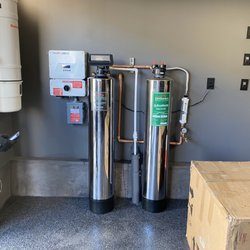
LifeSource Water Systems use a multi-stage filtration process to remove sediments, chlorine, heavy metals, and other contaminants from your home’s water supply.
Their systems filter all the water entering your home, providing cleaner, better-tasting water from every faucet.
The filtering process also removes hardness minerals like calcium and magnesium, effectively softening the water without the use of salt or harsh chemicals. This enhances water quality while being gentler on your skin, hair, and appliances.
Types of LifeSource Systems
LifeSource offers whole-house filtration systems for both residential and commercial applications. Their residential systems are designed for homes with 1-5 bathrooms and come in a range of sizes to accommodate different home water demands.
For larger homes and properties, they offer heavy-duty commercial systems built to handle more water usage. All systems utilize multi-stage filtration but will vary in terms of the specific filtration media used, backwashing frequency, and overall capacity.
Cost Comparison and Value Analysis
When evaluating the costs associated with a LifeSource system, it’s useful to compare it to other water treatment alternatives. It’s also important to factor in the long-term savings and benefits that LifeSource systems can deliver.
LifeSource vs. Traditional Water Softeners
Traditional salt-based water softeners represent an alternative for addressing water hardness. However, the overall cost profile of a LifeSource system compares favorably:
- Lower upfront cost – LifeSource systems start at $2,000 while traditional softeners start at $3,000 installed.
- No salt costs – LifeSource eliminates monthly salt delivery fees that can add up.
- Lower maintenance – No need to regularly refill salt tanks.
- Longer lifespan – LifeSource systems last 15-20 years vs. 10 years for typical softeners.
Long-term Savings and Benefits
When evaluating the value of a LifeSource water system, it’s important to consider the long-term cost savings and benefits it provides:
- Soap/detergent savings from reduced usage due to softened water.
- Energy savings since softened water enhances the efficiency of appliances like dishwashers.
- Equipment longevity by protecting pipes and appliances from scale buildup.
- Health benefits from reducing contaminants and drinking purified water.
- Improved taste and smell of drinking water.
- The environmental benefit of sending less chemical discharge to septic/sewage.
Financing and Assistance Options
If the upfront cost of purchasing a LifeSource system seems too high, take advantage of financing options or rebates.
Financing Solutions
Many customers utilize financing from their utility provider, bank, or a third-party lender to cover the initial purchase cost of a LifeSource system. Financing spreads payments over 3-10 years, making the system more affordable. Interest rates are competitive.
You might also like our articles about the cost of an Iron Curtain Water Filter, water leak repair, or Culligan water delivery.
Rebates and Incentives
Some municipalities and utilities offer rebates of up to $500 for installing a qualifying water filtration system. Contact your local water authority to ask about any rebates or incentive programs available in your area.
Making an Informed Decision
Choosing the right LifeSource system starts with determining your household’s water quality goals and usage requirements.
How to Choose the Right System
 Consider factors like:
- House size and number of bathrooms
- Number of residents and daily water usage
- Specific water quality issues present
This helps size an appropriately spec’d system and select the right filtration media. A water test can identify your specific water treatment needs.
Questions to Ask Before Buying
- What ongoing filter replacement costs will there be?
- How frequently is maintenance required?
- What is the warranty coverage and duration?
- What level of customer service/support does LifeSource provide?
Get clear answers on long-term costs and coverage to make a well-informed decision.
Are LifeSource Water Systems worth their rate?
LifeSource will be right for customers who have issues with their current home’s water.
The company is a BBB-certified, legit US company. Their online trust levels are through the roof, having a Trustpilot grade of 4.9 out of 5, from over 650 reviews, their Facebook page has a score of 4.3 stars out of 5 with over 200 reviews, while their Yelp listings all have between 4.5 and 5 stars out of 5, with several locations having a clear 5 out of 5 grade.
These numbers show just how much people love the LifeSource system water softeners and should push you towards buying the products if you’re on the edge about whether this water treatment and water purification approach is for you.
Although the company can ship products all around the US, which can be installed by different licensed plumbers if you can’t find a factory-trained technician, their offices are in California and Nevada, with their headquarters in Pasadena, California.
Final Words
While an initial investment, LifeSource water systems provide whole-house water filtration that can deliver clean, healthy water for years to come.
For households seeking improved water quality, reduced chemical usage, and long-term savings, a LifeSource system can prove to be a sound investment. Use this guide to understand all cost factors and choose the right system for your home’s needs.
Frequently Asked Questions
How long does a LifeSource water system last?
The average lifespan of a LifeSource whole-house water system is 15-20 years. With proper maintenance like regular filter changes, a LifeSource system can provide decades of reliable water filtration before needing any major repairs or replacement.
Can you drink LifeSource water?
Yes, you can safely drink water filtered by a LifeSource system. Their multi-stage filtration process removes sediments, chlorine, heavy metals, and other contaminants, resulting in cleaner, fresher tasting water.
The systems filter all the water entering your home, so any tap or faucet produces water purified by the LifeSource filtration system.
What is the most expensive home water filtration system?
Reverse osmosis (RO) systems represent one of the most expensive home water filtration options. Whole-house RO systems can cost $3,000 to $8,000 installed.
They also result in more water waste compared to other technologies. For most homes, a high-quality whole-house filtration system like LifeSource provides sufficient contaminant removal at a lower cost than RO.

Leave a Reply
Want to join the discussion?Feel free to contribute!