ThePricer Media
  • Latest: When Is an Electric Car Actually Cheaper?
  • Cost Guides
  • News & Investigations
  • Daily Price Puzzle (60s)
  • Methodology
  • Press & Mentions
  • Contact
  • Click to open the search input field Click to open the search input field Search
  • Menu Menu
Family & Lifestyle, Cooking & Eating

How Much Does Ribeye Steak Cost?

Updated on July 28, 2026 | Written by Alec Pow
This article was researched using 6 sources. See our methodology and corrections policy.

Ribeye steak generally costs $14 to $25 per pound at U.S. grocery stores. USDA Choice ribeye commonly sells for $14 to $20 per pound, while USDA Prime usually costs $20 to $30+ per pound. A typical 12-ounce grocery-store ribeye therefore costs about $10.50 to $18.75.

Grass-fed, dry-aged, thick-cut, and specialty butcher ribeyes commonly cost $25 to $50 per pound. Domestic and Australian Wagyu ribeye may cost $40 to $150 per pound, while authentic Japanese A5 Wagyu can reach $150 to $300+ per pound.

A ribeye entrée at a restaurant generally costs $30 to $100+. Premium steakhouses may charge $100 to $250+ for large dry-aged, Wagyu, or tomahawk cuts, particularly when the price includes upscale service and an expensive city location.

Article Highlights

Jump to sections
  • Does Ribeye Steak Cost?
  • Price by Steak Size
  • USDA Select Ribeye
  • USDA Choice Ribeye
  • USDA Prime Ribeye
  • Bone-In vs Boneless Cost
  • a Tomahawk Ribeye?
★ Prefer ThePricer on Google
  • Grocery-store ribeye commonly costs $14 to $25 (at $30 per hour, earning that amount would take about 28 to 50 minutes, before taxes) per pound.
  • USDA Choice ribeye generally costs $14 to $20 per pound.
  • USDA Prime ribeye generally costs $20 to $30+ per pound.
  • A 16-ounce grocery-store ribeye commonly costs $14 to $25.
  • Specialty butcher ribeye may cost $25 to $50 per pound.
  • Japanese A5 Wagyu ribeye can cost $150 to $300+ per pound.
  • Restaurant ribeye entrées commonly cost $30 to $100+.
Ribeye Steak Cost

How Much Does Ribeye Steak Cost?

Ribeye type Typical price per pound Typical price for a 16-ounce steak
Sale-priced or value-pack ribeye $10 to $15 (about 20 to 30 minutes at $30 per hour) $10 to $15
USDA Select ribeye $14 to $18 $14 to $18
USDA Choice ribeye $14 to $20 $14 to $20
USDA Prime ribeye $20 to $30+ $20 to $30+
Grass-fed ribeye $22 to $45 $22 to $45
Dry-aged ribeye $30 to $60+ $30 to $60+
Domestic Wagyu ribeye $40 to $100+ $40 to $100+
Australian Wagyu ribeye $60 to $150+ $60 to $150+
Japanese A5 Wagyu ribeye $150 to $300+ $150 to $300+
Restaurant ribeye entrée Not usually sold by the pound $30 to $100+

Current retailer examples support this broad range. H-E-B lists a USDA Choice thick-cut boneless ribeye at approximately $14.79 per pound, while one of its USDA Prime ribeye listings is about $19.99 per pound.

Costco same-day ordering lists USDA Choice boneless ribeye near $19.28 per pound. Same-day and delivery prices may be higher than prices inside the warehouse.

Related guides

  • How Much Does A Tomahawk Steak Cost?
  • How Much Does Mahi Mahi Cost?
  • How Much Does Filet Mignon Cost Per Pound?

Price by Steak Size

Ribeye is normally priced by weight, so two steaks with the same grade can have very different totals. The following table uses a grocery-store range of $14 to $25 per pound.

Steak size Weight in pounds Estimated grocery price
8 ounces 0.50 pound $7 to $12.50
10 ounces 0.625 pound $8.75 to $15.63
12 ounces 0.75 pound $10.50 to $18.75
14 ounces 0.875 pound $12.25 to $21.88
16 ounces 1 pound $14 to $25
20 ounces 1.25 pounds $17.50 to $31.25
24 ounces 1.50 pounds $21 to $37.50

A large bone-in steak includes the weight of the bone. A 24-ounce cowboy ribeye does not provide 24 ounces of edible meat. Boneless ribeye usually provides more edible meat per pound, although bone-in cuts may be preferred for presentation and cooking style.

USDA Select Ribeye

USDA Select has less marbling than Choice or Prime and is usually the least expensive graded ribeye. It commonly costs $14 to $18 per pound, although promotions may drop the price lower.

H-E-B currently lists a Select ribeye value pack at approximately $15.49 per pound. An individual Select steak at the same retailer can cost more per pound because smaller packages lose some of the value-pack discount.

Select ribeye can still be tender because the rib section naturally contains relatively tender muscles. It may not provide the same richness, juiciness, and intramuscular fat found in highly marbled Choice or Prime beef.

USDA Choice Ribeye

USDA Choice is the most common ribeye grade at supermarkets, butcher counters, and warehouse clubs. Expect to pay $14 to $20 per pound in many markets.

Choice represents a useful balance between price and marbling. A 1.25-pound Choice steak at $16 per pound costs $20. Dividing it between two diners creates a meat cost of $10 per person before sides and seasonings.

The Choice label covers a range of marbling levels. Two Choice steaks can look and eat differently, so compare the visible marbling rather than relying only on the grade sticker.

USDA Prime Ribeye

USDA Prime ribeye generally costs $20 to $30+ per pound. Upscale grocery stores and specialty butchers may charge more for thick-cut, aged, heritage-breed, or unusually well-marbled steaks.

Prime beef represents a small share of graded cattle and contains more marbling than Choice. The added fat usually produces a richer flavor and greater tolerance for high-heat cooking.

Prime ribeye steak should not be confused with prime rib. Ribeye steaks and prime rib roasts come from the same general rib section, but “prime rib” describes the cut and preparation rather than guaranteeing a USDA Prime grade.

Bone-In vs Boneless Cost

Boneless ribeye commonly costs $14 to $30+ per pound, depending on grade. Bone-in ribeye can cost a similar amount or slightly more because of its dramatic appearance, thicker cutting style, and butcher preparation.

The bone lowers the edible yield. Suppose a bone-in ribeye costs $18 per pound and weighs 1.5 pounds. The sticker price is $27. If the bone and trimming account for 20% of the total weight, the steak provides about 1.2 pounds of edible meat.

Dividing $27 by 1.2 pounds gives an effective edible-meat cost of $22.50 per pound. A boneless steak costing $20 per pound may therefore be the better value even though its shelf price appears higher.

What Is a Tomahawk Ribeye?

A tomahawk is a thick ribeye with a long section of rib bone left attached and cleaned for presentation. It commonly weighs 30 to 45 ounces and costs $50 to $150+ at a butcher or online meat seller.

A tomahawk does not automatically mean the beef is Wagyu or USDA Prime. A Choice tomahawk may cost $20 to $35 per pound, while a Prime or dry-aged version may reach $35 to $75+ per pound.

Part of the purchase price pays for the long bone, trimming, packaging, and visual impact. A thick boneless ribeye can provide similar eating quality at a lower total price.

Wagyu Ribeye Prices

“Wagyu” is not one uniform quality level. Domestic American Wagyu, Australian Wagyu, and Japanese Wagyu have different breeding standards, grading systems, marbling levels, and prices.

  • American Wagyu ribeye: $40 to $100+ per pound
  • Australian Wagyu ribeye: $60 to $150+ per pound
  • Japanese A5 Wagyu ribeye: $150 to $300+ per pound

A Japanese A5 ribeye should be served in a smaller portion than a conventional steak because of its exceptionally high fat content and richness. A four-ounce serving at $200 per pound contains $50 worth of beef.

The old claim that every Wagyu tomahawk costs about $200 per pound was too broad. Some domestic Wagyu tomahawks cost less, while authenticated Japanese beef can cost more.

Dry-Aged Ribeye Cost

Dry-aged ribeye commonly costs $30 to $60+ per pound. Premium aging programs, long aging periods, and highly marbled Prime beef can move the price above $75 per pound.

Dry aging increases cost because the meat loses water and requires exterior trimming. The butcher also ties up refrigerated space for several weeks while accepting spoilage and inventory risk.

A 20% aging and trimming loss means that 10 pounds of fresh beef may produce only eight pounds of saleable aged beef. The price per finished pound must rise even before labor, electricity, and facility costs are added.

Consumers should not attempt commercial-style dry aging in an ordinary home refrigerator. The USDA Food Safety and Inspection Service advises that aging beef at home is not recommended because commercial dry aging requires controlled conditions.

Grass-Fed Ribeye Cost

Grass-fed ribeye generally costs $22 to $45 per pound. Certified organic, regenerative, local-farm, or imported grass-fed products may cost more.

Grass-fed ribeye is often leaner than highly marbled grain-finished beef. The flavor, fat color, and texture can differ depending on breed, pasture, finishing period, and aging.

Higher price does not guarantee that every diner will prefer the flavor. Buyers focused mainly on richness and marbling may prefer USDA Prime, while those prioritizing specific farming practices may choose grass-fed beef.

Whole Ribeye Roast Savings

Buying a whole boneless ribeye roast and cutting steaks at home can reduce the cost per pound by approximately 10% to 30%. Savings vary with sales, package size, grade, and whether the roast needs trimming.

Suppose individual Choice ribeyes cost $18 per pound, while a 12-pound whole ribeye costs $14.50 per pound. The whole roast costs $174. Buying the same 12 pounds as cut steaks would cost $216.

The whole roast saves $42, or 19.4%. If trimming removes one pound, the usable yield is 11 pounds and the effective cost becomes $15.82 per usable pound. That still saves about $2.18 per pound compared with the individual steaks.

Online Ribeye Prices

Online ribeye commonly costs $25 to $75+ per pound before considering shipping. Gift packaging, frozen delivery, branded boxes, individual vacuum sealing, and dry ice increase the effective price.

Some retailers include shipping in the advertised package total. Others charge $20 to $50+ for delivery or require a minimum order for free shipping.

A four-pack of 12-ounce ribeyes contains three pounds of meat. If the package costs $150, the steak price is $50 per pound. A separate $25 shipping charge raises the delivered cost to $58.33 per pound.

Restaurant Ribeye Prices

A restaurant ribeye generally costs $30 to $100+. Casual restaurants may charge $25 to $45, while independent steakhouses commonly charge $50 to $90. Luxury restaurants, Japanese Wagyu programs, and famous dry-aging rooms can exceed $100 to $250 per steak.

A restaurant price includes more than the raw beef. The business pays for trimming, aging, seasoning, cooking labor, rent, utilities, service staff, breakage, spoilage, and occupancy.

Suppose a steakhouse buys a 16-ounce ribeye for $18. A menu price of $58 produces a raw-food-cost percentage of about 31%. That margin must still cover every other restaurant expense.

Sides may not be included at premium steakhouses. Adding two $14 sides, a $16 appetizer, and an $18 drink raises a $68 ribeye dinner to $130 before tax and tip.

Why Ribeye Costs More

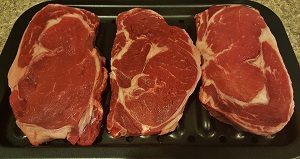
Three raw ribeye steaks with visible marbling

Ribeye comes from the rib section, generally between the chuck and loin. It includes the longissimus dorsi and may contain portions of the spinalis and complexus muscles, depending on where the steak is cut.

The spinalis, often called the ribeye cap, is especially tender and richly marbled. Steaks containing a large, well-defined cap can command more than end cuts with less of this muscle.

Ribeye is also a relatively limited and highly demanded cut. One carcass can produce only a certain number of ribeye steaks, while demand from retailers, restaurants, and consumers remains strong.

The price also reflects the cost of cattle, feed, processing, cold storage, transportation, trimming, packaging, labor, and retail shrink.

Nutrition by Serving Size

Ribeye nutrition varies with grade, trimming, cooking method, and how much exterior fat is eaten. “Angus” does not create one fixed nutritional profile.

A practical cooked serving is four to six ounces rather than the full weight of a large restaurant steak. A heavily marbled 16-ounce ribeye can contain well over 1,000 calories when the exterior fat is eaten, while a smaller trimmed portion contains much less.

Cooked serving Estimated calories Estimated protein
4 ounces 280 to 380 28 to 32 grams
6 ounces 420 to 570 42 to 48 grams
8 ounces 560 to 760 56 to 64 grams
12 ounces 840 to 1,140 84 to 96 grams

These are broad estimates rather than a nutritional guarantee. Check the product label or a laboratory-based database for the specific grade, preparation, and serving.

Safe Cooking Temperature

Cooking time alone cannot determine whether a ribeye is safe or properly cooked. Steak thickness, grill temperature, bone, weather, starting temperature, and equipment all affect how quickly the center heats.

The USDA safe-temperature chart recommends cooking beef steaks to a minimum internal temperature of 145°F and allowing them to rest for at least three minutes.

Insert an instant-read thermometer into the thickest part without touching bone. A fixed instruction such as two minutes per side at 500°F cannot account for a thin half-inch steak and a two-inch cowboy ribeye.

Resting allows temperature to stabilize and juices to redistribute. The steak may continue rising several degrees after it leaves the heat.

Storage and Thawing

Store raw ribeye in a refrigerator at 40°F or below and use or freeze it within the period shown by the retailer and current food-safety guidance. Keep the package on a low shelf or tray so raw juices cannot drip onto other foods.

Safe thawing methods include the refrigerator, cold water in a sealed package, or a microwave followed by immediate cooking. Do not thaw steak for hours on a kitchen counter.

Raw meat should not remain at room temperature for more than two hours, or more than one hour when the surrounding temperature exceeds 90°F. Briefly removing a steak before cooking is different from leaving it out for an entire afternoon.

How to Save Money

  • Buy ribeye during holiday and weekly meat-counter promotions.
  • Compare price per pound rather than the package total.
  • Choose USDA Choice instead of Prime when marbling looks good.
  • Purchase a whole ribeye roast and cut steaks at home.
  • Use a vacuum sealer or freezer-safe wrapping for bulk purchases.
  • Compare boneless cost with the edible yield of bone-in steaks.
  • Check warehouse clubs, but account for membership and package size.
  • Buy marked-down steak only when it can be cooked or frozen promptly.

Clearance discounts vary. A 20% to 40% reduction is more realistic than assuming every store offers 70% off. Always inspect packaging and follow safe-use or freezing instructions.

Buying a pallet of ribeye is not a practical consumer-saving strategy. It requires commercial-scale refrigeration, safe handling, substantial cash, and enough buyers to divide the shipment immediately.

Ribeye vs Other Meat Cuts

Ribeye generally costs more than chuck, round, and many sirloin steaks because it combines tenderness, marbling, and high demand. It may cost about the same as or more than New York strip, depending on grade and retailer.

Readers planning a slow-cooked beef meal may spend less on beef short ribs, although premium plate ribs can also be expensive. Ribeye is intended primarily for fast, dry-heat cooking rather than braising.

The cost also differs from fatty pork cuts such as bacon and pork belly. Those products may offer rich flavor at a lower price per pound but are not direct steak substitutes.

Three Ribeye Budgets

Budget dinner for two: A 1.25-pound Choice ribeye costs $16 per pound, for a meat total of $20. Potatoes, vegetables, and seasonings add $8. Dinner costs $28, or $14 per person.

Prime steak dinner: Two 12-ounce Prime ribeyes cost $24 per pound. The 1.5 pounds of meat costs $36. Sides and dessert add $20, producing a total of $56, or $28 per person.

Japanese A5 tasting: Eight ounces of A5 ribeye cost $200 per pound, producing a meat total of $100. Divided into four two-ounce tasting portions, the beef costs $25 per person before accompaniments.

When a Premium Ribeye Is Worth It

May be worth buying if:

  • The visible marbling is clearly better than a cheaper steak.
  • You are cooking for a special occasion.
  • The butcher provides reliable grade, origin, and aging information.
  • You prefer richness over a leaner cut.
  • You can cook the steak carefully with a thermometer.

May not be worth it if:

  • The higher price comes only from packaging or a dramatic bone.
  • The Wagyu label provides no origin or grading details.
  • You plan to cover the steak with a strong marinade or heavy sauce.
  • You prefer lean meat and trim away most of the marbling.
  • A well-marbled Choice steak costs substantially less.

What We Verified

  • Checked current H-E-B USDA Select, Choice, and Prime ribeye listings.
  • Compared current Costco same-day Choice and Prime examples.
  • Separated grocery, online, butcher, Wagyu, and restaurant pricing.
  • Calculated prices for common 8- to 24-ounce steak sizes.
  • Verified the USDA minimum temperature of 145°F with a three-minute rest.
  • Removed unsafe fixed cooking-time and home-aging instructions.

Answers to Common Questions

How much does ribeye steak cost per pound?

Ribeye generally costs $14 to $25 per pound at grocery stores. Prime, aged, grass-fed, or specialty products can cost considerably more.

How much does a 16-ounce ribeye cost?

A 16-ounce grocery-store ribeye commonly costs $14 to $25. A restaurant version generally costs $35 to $100+.

Is Prime ribeye worth the extra cost?

Prime may be worthwhile for its additional marbling and richness. A well-marbled Choice steak can provide better value when the price difference is large.

Is bone-in ribeye cheaper than boneless?

Not necessarily. Bone-in prices include bone weight, so the effective cost per pound of edible meat can be higher.

How much does Wagyu ribeye cost?

American Wagyu commonly costs $40 to $100+ per pound, Australian Wagyu costs $60 to $150+, and Japanese A5 can cost $150 to $300+ per pound.

What temperature should ribeye reach?

The USDA recommends that beef steaks reach at least 145°F internally and rest for at least three minutes.

Is buying a whole ribeye cheaper?

It can reduce the price per pound by approximately 10% to 30%, especially during warehouse-club or holiday sales.

Disclosure: Educational content, not financial advice. Prices reflect public information as of the dates cited and can change. Confirm current rates, fees, taxes, and terms with official sources before purchasing. See our methodology and corrections policy.

by Alec Pow
ThePricer cost research Independent price research used by media, universities and public institutions.

We research provider pricing, market examples, buyer reports, hidden fees and public records.

Methodology · Citations · Newsroom
© 2014 - 2026 - ThePricer Media, LLC, 4 Grove Street, New York, NY, 10014, Phone: (212) 431-2441
We don’t use affiliate links or paid placements. All sources are cited only for verification.
  • Link to X
  • Link to LinkedIn
  • Link to Facebook
  • Link to Instagram
  • Link to Pinterest
  • Link to Youtube
  • Contact Us
  • About Us
  • Press & Mentions
  • Careers
  • Meet the Founder
  • Privacy Policy
  • Editorial Ethics
  • Methodology
  • Corrections
  • Disclosure
  • Terms and Conditions
Scroll to top Scroll to top Scroll to top