
How Much Does a Mink Coat Cost?
Last Updated on January 27, 2024
Written by CPA Alec Pow | Content Reviewed by  CFA Alexander Popinker
Mink coats have long been a symbol of luxury and high-end fashion. But how much does a mink coat actually cost? In this comprehensive guide, we’ll explore mink coat pricing, the factors that influence cost, and provide tips for finding affordable luxury mink outerwear.
Mink fur coats can range drastically in price, from a few thousand dollars for basic mink to over $100,000 for designer, high-end mink. The cost depends on many aspects, like the type and quality of fur, brand name, and design details. Plus, current fashion trends and demand can impact mink coat prices.
Below, we’ll break down the price range for various mink styles and what goes into determining the cost of these luxury winter garments. Read on to discover exactly what to expect when investing in one of these glamorous fur fashion statements.
How Much Does a Mink Coat Cost?
Mink coats come in many styles, from the classic mink fur coat to modern, cropped designs. The price can vary greatly depending on the specific type of mink coat.
Basic Mink Coats
The most affordable mink fur coats start around $2,000 to $5,000. At this price point, expect a simple, classic knee-length mink coat made with pieced mink fur. Department stores like Macy’s and Bloomingdale’s carry basic mink in this price range.
Full Length Mink
For a full-length mink fur coat that falls below the knees to the calves, expect to pay $5,000 to $15,000. Full length mink is more expensive than basic coats due to the additional fur required.
Male Mink
Male mink fur is more desirable for its density and sheen. A male mink coat costs $10,000 to $30,000 for a knee-length style.
Blackglama Mink
Blackglama mink is a higher quality, farmed black mink. A Blackglama mink coat starts around $15,000, running up to $50,000 for full-length styles popularized by Marilyn Monroe.
Sheared Mink
Sheared mink has the guard hairs removed to leave an extremely soft undercoat. Expect to invest $20,000 to $60,000 for this luxurious fur.
Wild Mink
Wild mink from trapping tend to make smaller pelts, driving up the price. A wild mink coat starts at around $30,000.
Designer Mink
Luxury designer brands like Fendi, Gucci, and Louis Vuitton offer mink coats starting around $10,000, but can easily exceed $100,000 for custom, embellished designs.
As you can see, there is quite a spectrum when it comes to mink coat prices. From affordable department store mink to wildly expensive designer collections, the options vary greatly.
Leaf.tv provides information on how to find the value of a mink coat and suggests contacting a local fur dealer for an appraisal. Appraisal fees are reported to range from $25 to $50.
Eversoscrumptious.com lists the following price ranges for mink coats:
- Full-length Mink coat: $225-$1,000
Mink Stole: $100-$400
Mink Collar/Boa: $20-$75
Mink coat or jacket: $300-$750
Mink or Sable collared 1950s – 1960s wool coat: $75 to $250
Sable Coat: $2,000-plus
Sable Wrap/Boa: $120-$300
Persian or Broadtail Lamb Coat or Jacket: $50-$250, more for excellent condition
Mouton Lamb coat or jacket: $50 – $350
Muff (Fox, Mink, Lamb): $40 – $150
Full Pelt Stole (w/heads & feet, Mink, Stone Marten, Sable): $35-$150
Other types of furs in coats, jackets, and stoles will usually range from $50 to $300, although Chinchilla may cost thousands if it’s in excellent condition.
Morriskayefurs.com discusses the factors that influence the price of mink fur, emphasizing that the higher the quality of the mink, the more it will cost. It also mentions that certain colors of mink fur, such as Blue Iris, brown, and black, tend to be more sought after and can be more expensive.
Henigfurs.com lists a Women’s Ranch SAGA Mink Fur Swing Coat for $3,599.00, with a regular price of $12,000.00.
Thevintagetwin.com offers a Mink Long Fur Coat for $995.00.
A Brief History of Mink Coats
To understand mink coat pricing, it helps to know the background on these luxurious furs. Mink fur clothing has a long history as a symbol of glamour and status.
Mink furs first grew in popularity in the early 1900s. By the 1950s, mink became a wardrobe staple for wealthy women thanks to advertising campaigns by the fur industry. Marilyn Monroe famously wore a glamorous white mink coat in 1955, cementing mink as a cultural icon.
You might also like our articles about the cost of silk fabric, leather jacket cleaning, or fur coat cleaning.
Mink coats saw a dip in popularity in the 1980s and 90s due to animal rights movements and changing tastes. But modern mink farms focus on ethical mink production, winning over a new generation of fashionistas. Celebrities like Rihanna have made mink cool again for a more socially-conscious age.
Now, mink coats are beloved once more as chic outerwear investments and luxury fashion statements. The timeless appeal helps drive up prices for these iconic furs. Vintage mink coats from decades past also fetch high collector’s prices. With mink’s rich history, it’s no wonder the cost of these garments remains high.
Factors That Determine Mink Coat Prices
Many elements influence the price when shopping for a new mink coat. Being aware of these pricing factors allows you to find the best mink value within your budget.
Fur Quality
Higher fur quality means a more expensive coat. Minks bred specifically for fur are softer and more consistent than wild mink. Factors like fur density, guard hair quality, and consistent coloring impact price.
Fur Origin
Domestic farmed mink offers the best quality and value. Wild mink and breeds like Blackglama come at a premium.
Fur Processing
The way a mink pelt is processed and pieced together during manufacturing makes a difference. Hand-sewn joints feel smoother than machine sewn. Sheared mink goes through an extra processing step to remove the guard hairs. These specialized techniques are costlier.
Coat Style
Basic mink coats with simpler designs, vests, or pieces of multiple pelts cost less than full-length coats in one piece. More fur is needed for coats with more volume like the full length mink coats, driving up the price.
Materials
Details like fur origins, lining material, fasteners, embellishments, or trim all impact the overall cost of a mink coat.
Brand Name
Well-known luxury designers charge more for their mink labels. But the brand name doesn’t always guarantee better construction.
Retailer Reputation
Buying from a reputable retailer ensures you get an authentic, ethical mink. Department stores have more affordable options. Boutiques offer higher-end designer furs.
Supply & Demand
Trends drive demand, along with limited supply. Current fashion trends favor vintage-inspired furs, boosting mink coat prices.
As you can see, many intricate factors go into determining the cost of mink coats. Keep these key considerations in mind when comparing options at different price points.
Mink Coats as a Fashion Investment
For many shoppers, a mink coat represents a long-term fashion investment. With proper care and storage, a quality mink coat can last decades, even generations. Over time, well-maintained mink increases in value as a collectible vintage piece.
Many view purchasing a mink coat as buying a “cost per wear” item. The higher initial cost gets divided over the many years of use you will get out of a mink coat.
Others see mink coats holding their value like fine art, collectible cars, or designer handbags. The perceived luxury and status boost the pricing. So buying a mink coat can be like acquiring a piece of wearable art.
Finally, mink coats never go out of style. The classic silhouetteflatters most figures. Plus, mink pairs well with modern or vintage-inspired outfits. This versatility makes mink a sound investment as a winter wardrobe staple.
Ethical and Environmental Considerations
Fur fashion remains controversial to many for animal rights and environmental reasons. However, technology like gene editing produces more ethical mink farming. Businesses are also working to improve sustainability in mink production.
Still, consumers should educate themselves on mink sourcing when shopping. Opting for vintage or faux fur allows one to get the stylish mink look without buying newly produced coats. Consignment mink and fur alternatives offer budget-friendly options.
Caring for Your Mink Coat
Proper storage and cleaning helps preserve mink coats to maintain both their condition and value. Keeping mink climate-controlled and avoiding humidity prevents shedding and damage.
For cleaning, avoid commercial dry cleaning chemicals. Specialist professional fur cleaners or at-home methods like steaming, or vinegar and water sprays keep mink coats looking fresh.
With the right care, your mink coat investment will last and retain its beauty for many winter seasons. Be sure to research proper maintenance when buying.
Tips for Buying Mink Coats: A Shopping Guide
Finding the perfect mink coat takes a bit of savvy shopping. Here are some tips for evaluating your mink coat options:
- Inspect the fur closely for consistent coloring and soft, shiny texture. Check for imperfections in the patterns.
- Look for well-finished inner seams and linings. High-end mink won’t have sloppy construction.
- Sheen and volume indicate higher fur density and quality. Run your hand through to check softness.
Try on coats and check the fit. Quality mink will drape beautifully when worn.
- Budget extra for professional alterations to get that perfect personalized fit.
- Ask about origin and sourcing details to buy the most ethical mink for your needs.
- Research the retailer or brand to ensure you’re buying from a reputable seller known for quality materials.
- Consider investing in mink coat insurance if making a pricier designer purchase.
- Store your new coat properly between wears and get professional cleanings to protect your purchase.
Following savvy shopping habits allows you to buy a mink coat you’ll treasure for years to come. Do your research to find the ideal mink style within your budget.
Current Mink Coat Cost & Pricing Trends
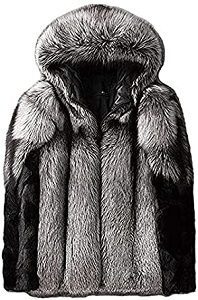 Mink has made a major comeback in recent years, with celebrity influencers and vintage lovers bringing the iconic furs back into vogue. The increased demand is driving up prices, especially for premium mink from top brands.
Limited supply also contributes to rising mink costs. Mink farms operate on a smaller scale today than decades ago. Vintage mink offers even more limited availability for shoppers seeking that retro look.
At the high end, designer mink now reaches luxury handbag price territory, running well over $50,000 from elite fashion houses. Even department store mink now starts around $2,000 for a basic piece.
But faux mink provides an affordable and ethical alternative for budget buyers looking to rock the fur trend. Overall, expect mink coat prices to remain high and continue climbing as mink stays on-trend.
Study on Mink Fur Pricing from 2009 Data
A 2009 study published in the Journal of Fashion Marketing analyzed mink fur pricing data from the late 1900s through 2000s. The findings included:
- The lowest recorded price for a mink coat was $1,100 in 1992 while the highest was $65,000 in 2000.
- Adjusted for inflation, the average mink coat increased from $3,124 in 1992 to $7,688 in 2000.
- Premium quality female mink pelts increased from $50 in 1992 to $100 in 2000.
- Male pelts fetched around 25-35% higher pricing than female pelts.
- Longer, full length coats demanded significantly higher prices compared to short jackets.
- Vintage mink coats from the 1950s and earlier carried the highest resale values and collector prices.
The study attributed the rising mink coat prices of the 90s and 2000s to increased demand, trend shifts, and the positioning of mink as a luxury status symbol.
Conclusion
A mink coat still represents one of the ultimate fashion splurges. But armed with the right information on mink coat prices and shopping advice, you can find the perfect mink style for your budget. Just be sure to educate yourself on the ethics and do your research to ensure you buy a high-quality mink piece.
Owning this luxurious fur coat can become a meaningful fashion investment and heirloom passed down for generations when properly maintained. Or rediscovering vintage mink offers a rare retro find for collectors.
Even with shifting social attitudes, the striking elegance of a mink coat endures as a wardrobe treat. While not affordable or necessary for everyone, mink maintains a special status in the worlds of fashion and luxury.
So for those seeking the ultimate fashion indulgence who understand the costs, a glossy mink coat still captivates and signals glamour. Carefully chosen, a mink fur can provide enduring satisfaction. With the right perspective, classic mink remains a justifiable dream for those who desire it.
Frequently Asked Questions
Is mink fur worth it?
Mink fur is worth it for some shoppers, but not for everyone. Those who view mink as a meaningful fashion investment and heirloom piece may feel the high costs are justified.
The luxurious look and feel of mink fur makes it desirably aspirational to luxury fashion lovers. However, critics argue mink represents an unnecessary indulgence and ethical concerns make the cost unjustifiable.
With proper care, mink can last for decades, so the high price gets balanced out over years of use. But regular wear also runs the risk of seeing mink coats decline in condition over time. The value depends on the individual’s budget, ethics, and how much satisfaction they derive from high-end fashion like mink.
Are mink coats illegal?
Mink coats are legal to own and sell in most areas. A few select cities in the United States, such as San Francisco and West Hollywood, have bans specifically restricting the sale of new fur products, mink included.
Some restrictions may also exist in certain European countries. But in general, regulations focus more on the production side through fur farming oversight. Outright mink bans are rare.
Vintage mink coats from secondhand stores or inherited pieces are legal across all regions. However, importing mink products into the United States requires proper documentation under international trade laws.
While not flat-out illegal, the controversy surrounding mink fur means consumers need to research regulations in their region before purchasing new mink coats.
Can I sell a mink fur coat?
Reselling mink fur coats is legal in most regions and offers a great option for those wanting to unload an unwanted mink item. Vintage and used mink often fetches top dollar from collectors due to limited supply.
Consignment stores, online auctions, and fur buyer businesses offer platforms to sell used mink coats. Properly stored vintage mink in good condition can sell for thousands depending on the quality and style.
However, lower-end contemporary mink tends to lose value quickly. Damaged mink pelts hold little value on the resale market. Sellers need to carefully assess their coat’s condition and have realistic expectations when reselling mink. With effort, one can find eager buyers willing to pay decent resale prices for quality vintage mink coats.
It is worth noting that “faux” furs are made from materials with very high environmental costs both in producing them and in disposing of them.
When my mother passed away I inherited her mink coat. Her husband got it for her as a birthday gift when she was about 35 years old. She passed away on 2012 at age 86 years old, which means the coat was 51 years old when I revived it. Now, it is 61 years old as of this year in May. She took excellent care of it, ever having it professionally stored in a vault made to keep the humidity and temperature at the proper settings when it wasn’t the time of year to ware fur. When it was cold weather she kept it covered in her closet where it stayed perfect when she wasn’t warring it. Since I’ve has it (10 years) it has resided covered in my closet away from light and to much heat and humidity. I’ve never worn it out, I’m more the fake fur person since I don’t believe in killing animals for their hides. It is still in excellent condition and as beautiful as ever. It’s a short, light color, dressy coat without any leather. I found your site when I was looking for prices of mink coats. I had no idea how expensive they seem to be, especially if they have been taken proper care of. I didn’t find any exactly like hers but I did find one similar, but it looked a little “well worn” and it was still priced at $3,500.00 dollars. I’ve got to check the tags to see where it came from and find out where it was made and the other items you mentioned. I was thinking I would sell it and use the money to help raise our great granddaughter that we’ve had since she was less than a year old, so we could leave our children, grand children and great granddaughter and have some quality time together before we get turned to ashes. I’m 74 years old, My husband has always wanted to travel, maybe go to Europe. Now, in a few years it may still be possible to travel, but at our age it’s still on the back burner. After raising 3 I’m sorry, I didn’t mean to write such a long post. I’m still looking for someone who can tell me what the price truly is and not try to “steal” it from me by paying maybe a 10th of what it’s worth. I like your site and it has given me food for thought, but I’m going to continue to look. Have a nice and blessed day.