ThePricer Media
  • Latest: The Cost to Cool an AI Data Center
    • New: How Much Will Gas Prices Rise After the Iran Strikes?
  • Daily Price Puzzle (60s)
  • Talk to Alec
  • Blog
  • Podcast
  • eBook
  • Click to open the search input field Click to open the search input field Search
  • Menu Menu
Medical Topics, Health & Beauty

How Much Do Foot Levelers Cost?

Updated on June 26, 2026 | Written by Alec Pow
This article was researched using 9 sources. See our methodology and corrections policy.

Foot Levelers custom orthotics usually cost about $250 to $600 per pair, depending on the healthcare provider, product line, exam or scan fee, fitting visit, adjustments, and insurance coverage. Some offices quote lower prices for basic pairs, while higher-end packages or bundled chiropractic and podiatry visits can push the total closer to $700 to $800+. Foot Levelers does not publish one national retail price because its custom orthotics are sold through qualified healthcare professionals who set the final patient price.

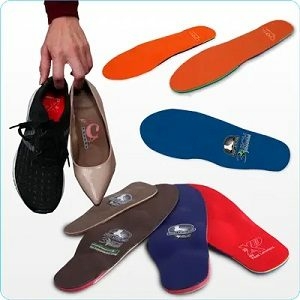
Foot Levelers is a custom orthotics brand used by chiropractors, podiatrists, physical therapists, and other healthcare providers. Its products are built from a foot scan or clinical evaluation, then fitted to the patient’s shoes and activity needs. The final cost is shaped by the office you visit, the model ordered, whether the quote includes the exam, whether modifications are needed, and whether your health plan treats the orthotics as a covered medical item or an out-of-pocket purchase.

Article Highlights

Jump to sections
  • Do Foot Levelers Cost?
  • Included In The Price?
  • Why Prices Vary By Provider
  • Insurance Coverage
  • Foot Levelers vs Other Orthotics
  • Warranty, Break-In Period
  • Extra Costs To Watch
  • Most Foot Levelers buyers should budget around $250 to $600 (at $30 per hour, earning that amount would take about 1 to 2.5 full-time workdays, before taxes) for one pair of custom orthotics.
  • Some offices charge below $250, while complex or bundled packages can reach $700 to $800+.
  • Foot Levelers says qualified healthcare professionals distribute the products and determine the price.
  • The quote may include only the orthotics, or it may bundle the exam, digital scan, fitting, follow-up, and adjustments.
  • Insurance coverage varies widely, and many patients pay out of pocket unless the device is medically necessary under their plan.
  • Foot Levelers stabilizing orthotics have a 45-day break-in period and a 1-year limited warranty when warranty conditions are met.
Foot Levelers Cost

How Much Do Foot Levelers Cost?

A realistic price range for Foot Levelers custom orthotics is $250 to $600 (about 1 to 2.5 full-time workdays at $30 per hour) per pair. The lower end is more likely at offices that charge separately for the exam or offer a simple orthotic model. The higher end is more common when the provider includes a consultation, digital scan, gait review, fitting, follow-up adjustments, or a premium orthotic line. If the provider bundles several visits with the product, the total can reach $700 to $800+.

The brand itself does not sell every custom pair at one public price. Foot Levelers says its custom orthotics and pillows are distributed through qualified health professionals, and those providers determine the patient price in the official Foot Levelers FAQ. That is why two patients can receive different quotes for the same brand in different cities or even from different clinics in the same metro area.

The broader custom orthotics market supports that spread. GoodRx places custom orthotics around $300 to $800, with some stores charging more, in its custom orthotics cost guide. Foot Levelers usually sits inside that custom-orthotic range, but the final number should be confirmed with the local chiropractor, podiatrist, or clinic before you agree to the scan or fitting.

Cost item Typical price What it means
Foot Levelers custom orthotics $250 to $600 Common per-pair quote range through providers
Higher-end or bundled package $700 to $800+ May include exam, scan, fitting, visits, or premium models
Provider exam or consultation $75 to $250+ May be separate or included in the orthotics quote
Follow-up adjustment $0 to $100+ Depends on the clinic’s fitting and warranty policy
Over-the-counter shoe insert $20 to $80 Cheaper non-custom alternative for mild support needs
Replacement pair $250 to $600+ Often needed when wear, foot changes, or shoe needs change

Related guides

  • How Much Does Hammertoe Surgery Cost?
  • How Much Does Lymphatic Drainage Massage Cost?
  • How Much Does Varicose Vein Removal Cost?

What Is Included In The Price?

The price may cover only the custom orthotics, or it may cover the full process from evaluation to fitting. A complete Foot Levelers purchase often starts with a provider visit, foot scan or assessment, review of symptoms and shoes, product selection, order placement, fitting appointment, break-in instructions, and possible follow-up adjustments. Ask the office whether the quoted price includes each of these steps.

Foot Levelers offers custom orthotics for everyday shoes, sports, work, dress shoes, sandals, kids, pregnancy, and other use cases through its custom orthotics product page. The product line matters because a basic everyday orthotic may not cost the same as a sport, dress, waterproof, sandal, or shoe-specific option.

The provider’s clinical work can also change the price. A podiatrist may perform a full foot and ankle exam, check gait, review pressure points, inspect shoes, and consider conditions such as plantar fasciitis, tendon problems, bunions, diabetic foot concerns, or chronic heel pain. A chiropractic office may focus more on posture, alignment, gait, and lower-body mechanics. Either way, the office visit has value and may be charged separately from the device.

Why Prices Vary By Provider

Foot Levelers is not priced like a mass-market insole hanging on a retail shelf. The product is sold through professional offices, so each office sets its own fees. A small-town chiropractic office with lower overhead may charge less than a large podiatry or sports-medicine clinic in a high-cost city. Prices also move with rent, staff time, scanning equipment, follow-up policy, and whether the office participates with insurance.

The quote can also change depending on whether you are buying one pair or several. Some patients want one pair for athletic shoes and another for work shoes or dress shoes. Others choose a shoe or sandal product with built-in orthotic support instead of a removable insert. A second pair is not always the same price as the first, so ask whether the office offers a discount on duplicate or companion pairs.

Medical complexity matters as well. A simple comfort-and-support case may involve fewer adjustments than a patient with diabetes, neuropathy, prior foot surgery, severe flatfoot, high arches, leg-length concerns, or repeated plantar fasciitis flare-ups. More follow-up time can make the total package more expensive even when the product brand is the same.

Insurance Coverage

Insurance coverage for Foot Levelers depends on your health plan, diagnosis, provider, and documentation. Some private plans cover prescription orthotics when they are medically necessary and ordered by a qualified clinician. Other plans exclude foot orthotics or cover them only in narrow situations. Before ordering, ask your provider for the billing code, diagnosis code, expected charge, and whether they can check benefits or request prior authorization.

Medicare coverage is limited. Medicare says Part B covers therapeutic shoes and inserts for people with diabetes and severe diabetes-related foot disease, after the deductible, with the patient usually paying 20% of the Medicare-approved amount when the supplier accepts assignment. Medicare also requires certification and ordering by qualified providers, as explained on the therapeutic shoes and inserts coverage page. That does not mean every custom shoe insert or every Foot Levelers pair is automatically covered.

If insurance does not cover the product, you may still be able to use an HSA or FSA if the orthotics are medically prescribed and your plan allows it. Keep the itemized receipt, diagnosis, prescription or recommendation, and any letter of medical necessity. These records also help if you appeal a denied claim.

Foot Levelers vs Other Orthotics

Foot Levelers sits in the custom orthotics category, not the simple store-bought insert category. The American Podiatric Medical Association explains that prescription custom orthotics are made after a podiatrist evaluates the feet, ankles, and legs, and that prescription orthotics differ from non-prescription shoe inserts bought online or in stores. APMA also notes that podiatrists use orthotics for conditions such as plantar fasciitis, bursitis, tendinitis, diabetic foot ulcers, and foot, ankle, and heel pain in its guide to prescription custom orthotics and shoe inserts.

Over-the-counter inserts are much cheaper, often around $20 to $80 (about 0.7 to 2.7 hours of work at $30 per hour), and may be enough for mild cushioning, arch support, or shoe comfort. They are not made from a clinical scan of your foot and usually do not include professional fitting or follow-up. Custom orthotics cost more because they are designed for a specific patient and may be used as part of a treatment plan.

Cleveland Clinic describes orthotics as devices worn to relieve pain related to foot and ankle conditions, ranging from shoe inserts to custom devices. It also notes that a podiatrist may suggest over-the-counter options for mild symptoms before prescribing a more advanced option if symptoms persist or worsen. That stepped approach is worth discussing with your provider before paying for custom orthotics. See Cleveland Clinic’s orthotics overview for a plain-language medical explanation.

Warranty, Break-In Period

Foot Levelers’ warranty terms matter because custom orthotics often require a break-in period. The company’s warranty sheet says stabilizing orthotics can be returned for modification or refund up to 1 year from the original ship date when patients follow the required warranty specifications. It also lists a 45-day break-in period and notes that mistrimming and water damage void the warranty. The same document says stabilizing orthotics that come with Shoethotics and Sandalthotics have a 1-year limited warranty, while the footwear itself has a 90-day limited manufacturer’s warranty. You can review the Foot Levelers warranty and returns sheet before ordering.

Break-in instructions are important because custom orthotics can feel firm or unusual at first. Many providers tell patients to start with short wear periods and increase gradually. If the orthotics create sharp pain, rubbing, numbness, worsening symptoms, or pressure spots, contact the clinic instead of forcing yourself to wear them all day.

Ask your provider how adjustments work before paying. Some offices include one or more follow-up visits in the original price. Others charge separately after a short fitting window. A slightly cheaper quote is not always better if it excludes follow-up trimming, top-cover changes, or fit checks.

Extra Costs To Watch

The most common extra cost is the provider visit. If the office quote only covers the orthotics, the consultation, exam, digital scan, X-rays, gait analysis, or follow-up appointment may be billed separately. A patient with insurance may also owe a specialist copay, deductible, coinsurance, or noncovered service charge.

Shoes are another hidden cost. Custom orthotics work only if they fit inside the shoes you actually wear. Some dress shoes, narrow shoes, sandals, slip-ons, and fashion sneakers may not have enough depth or removable insoles. If your current shoes do not work with the orthotics, you may need a new pair of supportive shoes.

Replacement is part of the long-term budget. Orthotics wear down, top covers compress, foot shape can change, and different shoes may require different devices. Foot Levelers has said custom orthotics are often replaced around every two years because weight changes, injuries, lifestyle changes, or wear can affect fit and support in its article on whether custom orthotics are worth the cost. Heavy daily use, work boots, running, or moisture can shorten the useful life.

Ways To Spend Less

Start by asking for an itemized quote. The office should be able to separate the cost of the exam, scan, orthotics, fitting, follow-up, adjustments, second pair, shipping, and any replacement top covers. This makes it easier to compare providers and avoid a surprise bill after the order is placed.

Check insurance before the scan if coverage matters to you. Ask the office for the codes they expect to use and call your insurer to confirm whether custom foot orthotics are covered for your diagnosis. If the plan requires prior authorization or a letter of medical necessity, get that handled before ordering.

Ask whether an over-the-counter insert is reasonable to try first. This is especially useful for mild symptoms or short-term comfort needs. If you have diabetes, circulation problems, neuropathy, severe pain, wounds, major deformity, or symptoms that keep returning, speak with a podiatrist or other licensed clinician before choosing a retail insert on your own.

You might also like our articles on the cost of bunion surgery, foot corn removal surgery, and brachymetatarsia surgery, since orthotics are often discussed before or after foot and toe treatment decisions.

Questions To Ask Before Ordering

Is the quoted price for one pair or more than one pair? Some offices offer discounts for a second pair, but others charge the full price again.

Does the price include the exam and scan? A quote that looks cheap may only cover the device, not the visit needed to order it.

Are adjustments included? Ask how many follow-up visits are included and how long the adjustment window lasts.

Which Foot Levelers model am I getting? Everyday, athletic, dress, sandal, work, and specialty models may be priced differently.

Will my shoes work with the orthotics? Bring the shoes you wear most often so the provider can check depth, width, and removable insoles.

Can you check my insurance before ordering? Coverage can depend on diagnosis, plan exclusions, supplier rules, and prior authorization.

Answers To Common Questions

How much are Foot Levelers orthotics? Most patients should expect about $250 to $600 for one pair, but provider-set prices can fall below or above that range. Bundled packages can reach $700 to $800+.

Why does Foot Levelers not list one price? Foot Levelers distributes custom orthotics through qualified healthcare professionals, and those professionals set the patient price. The provider’s exam, scan, fitting, follow-up policy, location, and product selection all affect the quote.

Does insurance cover Foot Levelers? Sometimes, but not always. Coverage depends on your plan, diagnosis, provider, and documentation. Many patients pay out of pocket unless the orthotics are considered medically necessary under their policy.

Are Foot Levelers better than store-bought insoles? They are different products. Store-bought insoles are cheaper and may help with mild support or cushioning. Foot Levelers are custom orthotics ordered through a healthcare provider after an evaluation or scan. Whether they are worth the extra cost depends on your symptoms, shoes, activity level, and diagnosis.

How long do Foot Levelers last? Many custom orthotics are replaced after a few years, but the real lifespan depends on daily wear, body weight, activity level, shoe type, moisture, and whether your feet or symptoms change. Foot Levelers’ warranty document lists a 1-year limited warranty for stabilizing orthotics when conditions are met.

Can I buy Foot Levelers directly online? Custom Foot Levelers are normally ordered through a participating healthcare provider. The brand offers a provider locator, which helps patients find a local office through its healthcare provider search.

Are they worth the cost? They can be worth it for patients who need custom support, have recurring foot or ankle symptoms, or have been advised by a clinician that a custom device is appropriate. They are less compelling if you only need light cushioning or occasional arch support and can get relief from a lower-cost insert.

Disclosure: Educational content, not medical advice. Pricing varies by provider, location, and insurance. Confirm eligibility, coverage, and out-of-pocket costs with a licensed clinician and your insurer. See our methodology and corrections policy.

by Alec Pow
ThePricer cost research Independent price research used by media, universities and public institutions.

We research provider pricing, market examples, buyer reports, hidden fees and public records.

Methodology · Citations · Newsroom
© 2014 - 2026 - ThePricer Media, LLC, 4 Grove Street, New York, NY, 10014, Phone: (212) 431-2441
We don’t use affiliate links or paid placements. All sources are cited only for verification.
  • Link to X
  • Link to LinkedIn
  • Link to Facebook
  • Link to Instagram
  • Link to Pinterest
  • Link to Youtube
  • Contact Us
  • About Us
  • Press & Mentions
  • Careers
  • Meet the Founder
  • Privacy Policy
  • Editorial Ethics
  • Methodology
  • Corrections
  • Disclosure
  • Terms and Conditions
Scroll to top Scroll to top Scroll to top