
How Much Does a Tibetan Mastiff Cost?
Updated on | Researched and reviewed by Alec Pow, Founder & Pricing Investigator
Prices, claims, and calculations checked against 11 cited sources. See our research methodology and corrections policy.
A Tibetan Mastiff puppy from a responsible U.S. breeder typically costs about $3,250 to $5,000 in 2026. Good Dog currently puts the national expected breeder price at $3,250-$4,250, while current regional listings reach about $4,000-$5,000. Individual puppies can cost more depending on the breeder, pedigree, health testing, and location.
The purchase price is only a fraction of what this breed can cost to keep. A realistic first-year budget is roughly $6,000-$10,000+ including the puppy, food, veterinary care, training, insurance, grooming, and large-dog supplies. After that, an adult Tibetan Mastiff can reasonably cost around $3,000-$6,000+ per year.
Over a typical 10- to 12-year lifespan, total ownership can easily reach $35,000-$80,000+. Owners who need to install secure six-foot fencing, use frequent boarding, or face major veterinary treatment can spend considerably more.
Article Highlights
Jump to sections
- Current Good Dog pricing puts Tibetan Mastiff puppies around $3,250-$4,250 nationally.
- Current regional breeder listings reach roughly $4,000-$5,000.
- A realistic first year with a breeder puppy can cost $6,000-$10,000+.
- Rover estimates adult Tibetan Mastiff ownership at roughly $2,660-$5,677 per year before unusual emergencies or extensive services.
- Food alone can cost about $800-$1,550 per year.
- Professional grooming can add roughly $600-$1,200 per year.
- Secure fencing can become a hidden $5,000-$12,000 property expense for a typical 200-foot six-foot privacy fence.
- The famous $1.5 million Tibetan Mastiff sale was real, but it was an extraordinary Chinese status-market transaction from 2011, not a useful puppy-price benchmark.

How Much Does a Tibetan Mastiff Cost?
| Expense | 2026 planning cost | Notes |
|---|---|---|
| Breeder puppy | $3,250-$5,000 | Current U.S. market |
| First year including puppy | $6,000-$10,000+ | Food, vet care, gear, grooming, training, insurance |
| Adult annual ownership | $3,000-$6,000+ | Before major medical or boarding costs |
| Food | $800-$1,550/year | Large-dog diet, brand and intake vary |
| Professional grooming | $600-$1,200/year | Large double coat |
| Training | $200-$400+ | Group series; private work costs more |
| Pet insurance | About $750/year national dog average | Breed-specific quotes can be much higher |
| Six-foot fenced yard | $5,000-$12,000 | 200 linear feet of current wood/vinyl privacy fencing |
| 10-12 year ownership | $35,000-$80,000+ | Highly lifestyle- and health-dependent |
Good Dog’s current Tibetan Mastiff buyer guide puts the national expected puppy price at $3,250-$4,250.
Local markets can be higher. Current Good Dog results in Oklahoma show approximately $4,000-$5,000, while Colorado examples reach $4,500-$5,000. A current 2026 Illinois breeder listing also advertises a health-tested Tibetan Mastiff puppy for $5,000.
That makes $3,250-$5,000 a much better current planning range than the older $1,500-$5,000 estimate.
What You’re Buying
The Tibetan Mastiff is an ancient guardian breed developed to protect homes, families, camps, and property. The American Kennel Club describes the breed as watchful, aloof with strangers, independent, and highly protective.
Despite its enormous appearance, the official AKC standard describes the Tibetan Mastiff as a large, but not giant breed. Males are preferably 26 to 29 inches tall, while females are preferably 24 to 27 inches. Typical weights are around 90 to 150 pounds for males and 70 to 120 pounds for females. This size affects food, veterinary medication, crates, beds, vehicles, grooming, fencing, and even where the dog can realistically live.
Health Testing
A low puppy price is not necessarily a bargain. The American Tibetan Mastiff Association tells buyers to ask for documented health testing on both parents.
Its current breeder guidance recommends looking for hip evaluation through OFA or PennHIP, normal OFA elbow results, thyroid testing, and an eye examination by a veterinary ophthalmologist.
The association’s breeder code of ethics also requires participating breeders to wait until dogs are at least two years old before breeding and requires OFA or qualifying PennHIP hip evaluation.
Paying $4,000 for a puppy with documented parental screening therefore cannot be compared directly with a $2,000 puppy for which the seller provides no verifiable health information.
The extra $2,000 is not an insurance policy against future disease, but documented screening is meaningful information. Tibetan Mastiffs can be affected by hip and elbow dysplasia, hypothyroidism, eye disorders, and other medical conditions.
First-Year Cost
A middle-of-the-road first-year Tibetan Mastiff budget might look like this:
| First-year item | Example cost |
|---|---|
| Puppy | $3,750 |
| Food and treats | $1,200 |
| Veterinary care and preventives | $900 |
| Heavy-duty crate, bed, bowls, leash and gear | $700 |
| Training | $400 |
| Professional grooming | $900 |
| Pet insurance | $750 |
| Example first-year total | $8,600 |
The $8,600 figure does not include installation of fencing, emergency veterinary treatment, spay/neuter if applicable, boarding, daycare, or extensive private training.
Rover’s broader 2026 dog-cost research says the cost of initially bringing a dog home can range from roughly $1,195-$4,650 depending on what is needed. Giant-scale supplies can move a Tibetan Mastiff toward the upper end for crates, bedding, collars, gates, and transport equipment.
Food Costs
The old rule that every Tibetan Mastiff eats exactly four cups per day is too simplistic.
PetMD’s veterinary-reviewed Tibetan Mastiff care guide recommends determining food quantity from the dog’s ideal weight and the feeding instructions for the specific diet. Age, activity, calorie density, body condition, and health all affect intake.
Rover’s breed-specific cost guide estimates adult food at roughly $803-$1,544 per year, based on approximately 3¼ to 6 cups of kibble per day in its model.
A middle food budget of $1,200 per year works out to:
$1,200 ÷ 12 = $100 per month.
Over 11 years, holding prices flat, that’s $13,200 spent just on food.
See our full guide to dog food costs for a broader comparison.
Training Is Not Optional
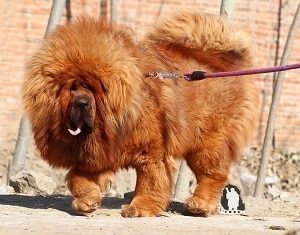
A Tibetan Mastiff’s independent temperament makes early socialization and training especially important.
The AKC’s current breed suitability guidance describes Tibetan Mastiffs as highly intelligent but difficult to train and generally unsuitable for most first-time dog owners. The AKC also warns that they do not have reliable recall and should not simply be allowed off leash.
Rover estimates a group training series at roughly $200-$400 and private training around $50-$150 per hour.
Six private sessions at $100 each cost $600. Add a $300 group class and the first-year training budget reaches $900.
Training should use appropriate positive-reinforcement methods. The breed’s independence is not a reason to rely on physical dominance or punishment.
Our separate dog training cost guide covers group, private, and intensive training prices.
Grooming Costs
The coat looks expensive to maintain, but Tibetan Mastiffs do not require constant haircuts.
The AKC says weekly brushing is generally sufficient through much of the year. The major work arrives when the dog blows its heavy undercoat, usually in late spring or early summer.
Rover’s Tibetan Mastiff cost data put professional grooming at approximately $600-$1,200 per year, based on several large-dog grooming sessions.
A current California groomer, for comparison, charges about $154.50-$178.50 for a full groom on an extra-large dog, illustrating why even a handful of professional visits can reach four figures annually.
Owners willing to brush, de-shed, bathe, dry, trim nails, and maintain the coat themselves can reduce this expense significantly.
The Hidden Cost Is a Secure Yard
A Tibetan Mastiff may require a property upgrade that never appears in the puppy advertisement.
Tibetan Mastiff Rescue currently states in its adoption requirements that it expects a home check and, with few exceptions, requires six-foot secure fencing. Invisible fencing is not considered acceptable by the organization.
That gives prospective owners a useful picture of the containment demands of the breed even if they are buying rather than adopting.
Current 2026 six-foot privacy fence pricing is about $25-$60 per linear foot installed. A 200-foot enclosure therefore costs roughly:
200 × $25 = $5,000
to
200 × $60 = $12,000.
A family buying a $4,000 Tibetan Mastiff but needing a new $8,000 fence has effectively spent $12,000 before food, veterinary care, training, or insurance.
For some homes, the yard is the single largest hidden acquisition cost.
Insurance and Veterinary Costs
Large dogs can make veterinary care expensive because medication doses, anesthesia, diagnostics, and orthopedic surgery may all be affected by body size.
Rover’s Tibetan Mastiff model puts annual vaccinations and preventive care around $270-$615, annual examinations around $70-$110, and dental care anywhere from a few hundred dollars to several thousand when treatment is required.
NAPHIA’s published U.S. benchmark for a dog accident-and-illness policy was $749.29 per year, or $62.44 per month. A Tibetan Mastiff quote may differ substantially based on age, ZIP code, deductible, reimbursement level, and insurer.
Pet insurance is therefore a budgeting option rather than a guaranteed money saver. Existing or pre-existing conditions are also handled according to each policy’s terms.
Adult Ownership
Rover’s Tibetan Mastiff cost guide estimates adult annual ownership at about $2,660-$5,677.
A plausible midrange annual budget might be:
- Food and treats: $1,350
- Routine vet care and preventives: $700
- Insurance: $750
- Professional grooming: $900
- Toys and large-dog supplies: $300
- Training/refresher work: $250
That totals approximately $4,250 per year.
Add ten boarding nights at $60 per night and annual spending rises to $4,850. A dental procedure, emergency visit, or behavioral specialist can take the year well above $6,000.
10-12 Year Lifetime Cost
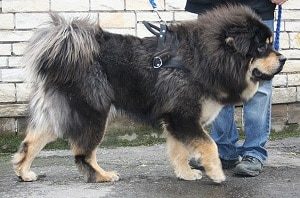
PetMD gives Tibetan Mastiffs a general life expectancy of approximately 10-12 years.
At the lower end, assume a $3,500 puppy and $3,000 of annual care for 10 years:
$3,500 + (10 × $3,000) = $33,500.
At a higher but still plausible level, take a $5,000 puppy and $6,000 per year for 12 years:
$5,000 + (12 × $6,000) = $77,000.
That gives a practical lifetime planning range of roughly $35,000-$80,000+.
Add an $8,000 fence to the second example and total spending reaches $85,000, even before adjusting future expenses for inflation.
Do Tibetan Mastiffs Cost $1.5 Million?
Yes, one famously did, but it has almost nothing to do with what an American pet buyer should expect to pay.
Guinness World Records documents a red Tibetan Mastiff named Big Splash that sold in China in 2011 for 10 million yuan, about $1.51 million.
In 2014, another golden Tibetan Mastiff was reportedly sold for 12 million yuan, about $1.9 million at the time.
Those transactions occurred during a period when Tibetan Mastiffs had become luxury status symbols among wealthy Chinese buyers. Contemporary reporting also quoted industry insiders questioning whether some headline-grabbing sales were genuine arm’s-length transactions or promotional deals between breeders.
The useful comparison is striking. At today’s roughly $4,000 U.S. puppy price, the $1.5 million Big Splash sale equaled the price of around:
$1,500,000 ÷ $4,000 = 375 puppies.
Million-dollar sales belong in the breed’s unusual economic history, not in a normal household budget.
Adopting a Tibetan Mastiff

Adoption can reduce the initial acquisition cost dramatically, but available dogs are limited and the screening process can be demanding.
Tibetan Mastiff Rescue, Inc. says it is the only U.S. rescue organization dedicated specifically to pulling, rehabilitating, evaluating, and rehoming Tibetan Mastiffs.
The organization does not publish one universal adoption price for every dog on the pages checked, so buyers should ask for the current fee rather than relying on an old internet estimate.
Rescue dogs are spayed or neutered before placement, and the organization evaluates prospective homes carefully. Adoption should therefore be viewed as a different acquisition path, not simply a cheap way to obtain the breed.
When a Tibetan Mastiff Makes Sense
Makes sense if:
- You have experience managing large, independent guardian breeds.
- You can provide secure physical fencing and sufficient space.
- You can comfortably absorb a $3,000-$6,000+ annual dog budget.
- You are prepared to invest heavily in early socialization and training.
- You understand that aloof, territorial behavior is part of the breed rather than something guaranteed to disappear through obedience training.
Probably does not make sense if:
- You want an easy first dog.
- You need reliable off-leash recall.
- You live in a small apartment or have no realistic secure outdoor area.
- You live in a very hot climate without the ability to keep this heavy-coated breed cool.
- The puppy purchase itself would use most of your available pet budget.
For comparison with other substantial breeds, see our guides to the cost of a Norwegian Elkhound and the cost of a Greyhound.
What We Checked
- Checked current Good Dog listings and confirmed a national breeder range around $3,250-$4,250.
- Cross-referenced current regional listings reaching approximately $4,000-$5,000.
- Verified official AKC size, temperament, grooming, and training guidance.
- Confirmed American Tibetan Mastiff Association recommendations for hip, elbow, thyroid, and eye screening.
- Checked current Tibetan Mastiff-specific food, grooming, training, and annual ownership estimates.
- Verified Tibetan Mastiff Rescue’s requirement for secure six-foot fencing and compared it with current 2026 fencing costs.
Answers to Common Questions
How much is a Tibetan Mastiff puppy?
A realistic 2026 U.S. breeder budget is about $3,250-$5,000. Good Dog’s current national expected range is $3,250-$4,250, while some regional listings reach $5,000.
How much does a Tibetan Mastiff cost per year?
Plan on roughly $3,000-$6,000+ per adult year. Rover’s breed-specific estimate ranges from approximately $2,660-$5,677 before unusually high medical or service expenses.
How much does a Tibetan Mastiff eat?
There is no universal four-cup rule. Intake should be based on body condition, ideal weight, activity, age, and the calorie density of the specific food. One current cost model uses roughly 3¼ to 6 cups per day for adults.
How big does a Tibetan Mastiff get?
Males commonly weigh around 90-150 pounds and females around 70-120 pounds. The AKC’s preferred height is 26-29 inches for males and 24-27 inches for females.
How much does Tibetan Mastiff grooming cost?
Professional grooming can cost approximately $600-$1,200 per year. Owners who perform most brushing and coat maintenance themselves can spend considerably less.
Are Tibetan Mastiffs good for first-time dog owners?
Generally not. The AKC describes them as intelligent, highly independent guardian dogs and says they are not a good choice for most first-time owners.
Why are Tibetan Mastiffs expensive?
The breed is relatively uncommon, responsible breeding requires years of raising and evaluating breeding stock, health screening adds expense, and litters are produced less frequently than mass-market breeds. Current price should still be evaluated against the breeder’s documented practices rather than assuming expensive automatically means responsible.
Did a Tibetan Mastiff really sell for $1.5 million?
Yes. Guinness World Records documents the 2011 sale of Big Splash in China for about $1.51 million. It was an extraordinary luxury-market transaction and bears little relationship to today’s normal U.S. puppy price.
Disclosure: Educational content, not medical advice. Pricing varies by provider, location, and insurance. Confirm eligibility, coverage, and out-of-pocket costs with a licensed clinician and your insurer. See our methodology and corrections policy.