
How Much Does Curb Rash Repair Cost?
Last Updated on May 7, 2024
Written by CPA Alec Pow | Content Reviewed by  CFA Alexander Popinker
Curb rash, those unsightly scratches, and scuffs on your vehicle’s wheels, can be a real eyesore. But beyond just aesthetics, ignoring curb rash can lead to more severe damage and potentially impact your car’s resale value.
This article goes into the costs associated with repairing curb rash, helping you make an informed decision on whether to tackle the issue yourself or seek professional assistance.
Curb rash happens when your wheels scrape against a curb or other hard surface, causing scratches, gouges, and even cracks in the wheel’s surface. While it may seem like a minor cosmetic issue, leaving curb rash unaddressed can lead to more extensive damage, such as corrosion or structural weaknesses in the wheel itself.
That’s why it’s crucial to understand the repair options and associated costs.
Highlights
- Professional repair services typically range from $50 to $500 per wheel, depending on the extent of damage.
- Assess the severity of curb rash damage to determine the appropriate repair method.
- Alloy wheels are generally easier and less expensive to repair than steel or chrome wheels.
- DIY repair can be cost-effective for minor scratches but requires time, effort, and the right tools.
- Additional costs may include tire mounting, balancing, paint matching, and protective coatings.
- Choose a reputable repair service with experience in wheel repair and inquire about warranties.
- Prevention is key: be cautious when parking, consider wheel protection products and maintain your vehicle properly.
How Much Does Curb Rash Repair Cost?
Typically, minor curb rash scratches that don’t penetrate too deeply into the wheel’s finish can be repaired for $50 to $150 per wheel. However, if the damage extends to the base material of the wheel, refurbishment or restoration may be required, with costs ranging from $200 to $500 per wheel or more.
According to AutoZone.com, curb rash repair costs will vary from approximately $100 to $250 per wheel, with professional repair typically costing more than DIY repair.
VW ID Talk discusses the cost of curb rash repair, with members mentioning prices ranging from $120 to $150 per wheel at local dealerships.
The first step in addressing curb rash is to assess the severity of the damage. Different levels of damage will require different repair methods, and consequently, different costs. Scratch repair, for instance, may only involve sanding, polishing, and repainting the affected area.
More severe cases, however, might necessitate wheel refurbishment or even complete wheel restoration.
Different Wheel Types
The type of wheel you have can also impact the repair cost. Alloy wheels, which are made of lightweight metals like aluminum or magnesium, are more susceptible to curb rash but can often be repaired more easily than their steel or chrome counterparts. Repairing alloy wheels can cost anywhere from $100 to $300 per wheel, depending on the extent of the damage.
Steel wheels are more durable but may require more extensive work to restore their appearance. Repairing steel wheels can range from $75 to $250 per wheel, with more severe damage potentially requiring higher costs.
Chrome wheels, on the other hand, can be particularly challenging and expensive to repair due to the delicate nature of the chrome plating. Repairing chrome wheels can cost upwards of $300 to $600 per wheel, or even more for high-end or severely damaged wheels.
DIY vs. Professional Curb Rash Repair
One of the biggest factors influencing the cost of curb rash repair is whether you choose to tackle it yourself or enlist the help of a professional. DIY repair can be a cost-effective option for minor scratches, but it requires patience, attention to detail, and the right tools and materials.
Professional service, while more expensive, often yields better results and may be necessary for more severe damage.
Professional Repair Costs
The cost of professional curb rash repair can vary widely depending on several factors, such as the extent of the damage, the type of wheel, and the region where you live. On average, expect to pay anywhere from $50 to $150 per wheel for minor scratch repair or refinishing.
More extensive wheel refurbishment or wheel restoration can cost upwards of $200 to $500 per wheel, or even more for high-end wheels or severe damage.
For example, a basic alloy wheel repair for minor scratches might cost around $100 to $250 per wheel, while a full chrome wheel restoration could easily exceed $500 per wheel.
DIY Repair Costs
If you opt for a DIY repair, your costs will primarily consist of the materials and tools needed for the job. A basic repair kit with sandpaper, primer, paint, and clear coat can cost between $20 and $100, depending on the quality of the products.
Additional tools like sanding blocks, brushes, and masking tape may add another $20 to $50 to the total cost. However, keep in mind that DIY repairs can be time-consuming and may not yield professional-level results.
You might also like our articles about the cost of Walmart tire installation, wheel alignment, and wheel balancing.
For instance, a high-quality DIY alloy wheel repair kit could cost around $80 to $120, while a more budget-friendly option might be available for $30 to $60. Additionally, you’ll need to factor in the cost of any specialized tools or equipment you may need to purchase, such as a paint sprayer or compressor.
Additional Costs to Consider
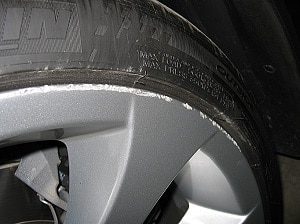 Beyond the repair itself, there are a few additional costs to keep in mind. If you opt for professional repair, you may need to factor in tire mounting and balancing costs, which can range from $20 to $50 per wheel.
Some repair shops may also charge additional fees for paint matching or protective coatings, which can add another $20 to $100 per wheel to the total cost.
For example, if you’re having all four wheels repaired at a professional shop, you could expect to pay:
- Wheel repair cost: $400 (4 wheels x $100 average per wheel)
- Tire mounting and balancing: $120 (4 wheels x $30 average per wheel)
- Paint matching and protective coating: $200 (4 wheels x $50 average per wheel)
- Total cost: $720
Choosing the Right Repair Service
If you decide to go the professional route, it’s essential to choose a reputable repair service. Look for wheel specialists or auto body shops with experience in wheel repair, and don’t be afraid to ask for references or examples of their work.
It’s also a good idea to inquire about warranties or guarantees on their repairs, as this can provide added peace of mind and potentially save you money in the long run.
When selecting a repair service, be sure to get written estimates and compare prices from multiple providers. Don’t be afraid to negotiate or ask about any potential discounts or package deals, especially if you’re having multiple wheels repaired.
Prevention is Very Important
While curb rash can be repaired, the best approach is to prevent it from happening in the first place. Here are some tips to help keep your wheels looking their best:
- Be cautious when parking: Take your time and watch for curbs or obstacles when maneuvering into parking spots.
- Consider wheel protection: Products like wheel rim protectors or alloy wheel repair kits can help minimize the impact of minor scrapes and scratches. These protective products can cost anywhere from $20 to $100 per set, depending on the brand and quality.
- Routine wheel inspections: Regularly inspect your wheels for any signs of damage and address issues promptly before they worsen.
- Proper vehicle maintenance: Keep your tires properly inflated and aligned to reduce the risk of uneven wear and tear on your wheels.
Final Words
Curb rash repair costs can vary greatly depending on the severity of the damage, the type of wheel, and whether you choose a DIY or professional approach. While DIY repairs can be a cost-effective option for minor scratches, professional services may be necessary for more extensive damage.
Ultimately, addressing curb rash promptly can help preserve the appearance and value of your vehicle, making the investment in repair worthwhile.
Frequently Asked Questions
Is it worth repairing curb rash?
Yes, it’s generally worth repairing curb rash, especially if the damage is more than just minor scratches. Ignoring curb rash can lead to more severe issues like corrosion or structural weaknesses in the wheel, which can be costly to fix.
Additionally, curb rash can negatively impact the resale value of your vehicle. By investing in proper repair, you can maintain the appearance and condition of your wheels, prolonging their lifespan and preserving your car’s overall value.
The cost of repair is often lower than the potential loss in resale value or the expense of replacing a severely damaged wheel.
How do pros fix curb rash?
Professional curb rash repair typically involves a multi-step process. First, the damaged area is sanded down to remove any rough edges or loose material. Next, a primer is applied to ensure proper adhesion of the paint.
The wheel is then repainted, either with a precise color match or a refinishing process that restores the original finish. Finally, a clear coat is applied to protect the new paint and provide a smooth, glossy finish. More severe damage may require additional steps, such as welding or replacing sections of the wheel.
The entire process can take several hours or even days, depending on the extent of the damage and the number of wheels being repaired. Professional repair shops have specialized equipment and experienced technicians to ensure a high-quality, long-lasting repair.
Can you still drive with curb rash?
While it is generally safe to drive with minor curb rash, it’s not recommended to ignore more severe damage. Excessive scratches, gouges, or cracks in the wheel can compromise its structural integrity, putting you at risk of potential wheel failure or a blowout.
If the damage is significant, it’s best to have the wheel inspected by a professional and repaired or replaced if necessary. Continuing to drive on severely damaged wheels can be dangerous and may cause further damage to the wheel or other components of your vehicle.
Additionally, driving with unrepaired curb rash can accelerate the rate of corrosion or deterioration, potentially leading to more extensive and costly repairs down the line. It’s generally advisable to address curb rash promptly, even if it appears to be purely cosmetic, to maintain the safety and longevity of your wheels.

Leave a Reply
Want to join the discussion?Feel free to contribute!