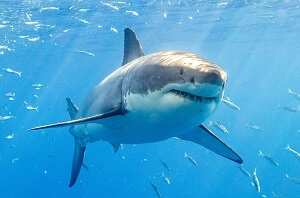
How Much Does A Shark Cost?
Updated on | Written by Alec Pow
This article was researched using 5 sources. See our methodology and corrections policy.
A real aquarium shark generally costs $100 to $1,000+ to buy. Juvenile bamboo and catsharks commonly cost $100 to $450, while horn sharks and epaulette sharks may cost $500 to $1,000+. Shark eggs, when legally and responsibly offered, usually cost around $100 to $300.
The shark is usually the least expensive part of the project. A suitable large saltwater aquarium or indoor pond can cost $10,000 to $50,000+ to build and equip. Food, salt, filtration, electricity, water testing, maintenance, and veterinary care can add another $2,000 to $10,000+ per year.
A realistic first-year budget for one smaller bottom-dwelling aquarium shark is therefore approximately $15,000 to $55,000+. Large, continuously swimming species may require professional systems costing hundreds of thousands or millions of dollars and should not be kept in an ordinary home.
Article Highlights
Jump to sections
- A true aquarium shark commonly costs $100 to $1,000+ (at $30 per hour, earning that amount would take about 0.4 to 4.2 full-time workdays, before taxes).
- White-spotted bamboo sharks currently sell for approximately $100 to $450.
- Horn and Port Jackson sharks may cost $600 to $1,000+.
- A suitable home shark system can cost $10,000 to $50,000+.
- Annual care commonly costs $2,000 to $10,000+.
- Great white, whale, and several hammerhead sharks are not legitimate pets.
- Bala, red-tail, roseline, and harlequin “sharks” are freshwater fish rather than true sharks.

How Much Does a Pet Shark Cost?
| Shark-related expense | Estimated price | What the cost covers |
|---|---|---|
| Bamboo or catshark egg | $100 to $300 (about 0.4 to 1.3 full-time workdays at $30 per hour) | Egg case from a specialist marine seller |
| Juvenile bamboo shark | $100 to $450 | Common smaller bottom-dwelling aquarium species |
| Epaulette shark | $500 to $1,000+ | Specialist species with limited availability |
| Horn shark | $600 to $1,200+ | Cold-water or temperate species requiring specialized care |
| Custom 300- to 500-gallon system | $10,000 to $35,000+ | Tank or pond, stand, plumbing, filtration, and installation |
| Large 1,000-gallon system | $25,000 to $75,000+ | Custom structure, heavy filtration, electrical work, and delivery |
| Annual operating cost | $2,000 to $10,000+ | Food, salt, electricity, water, maintenance, and health care |
| Professional large-shark exhibit | $250,000 to several million dollars | Large pool, life-support equipment, backup systems, and staff |
Current specialist listings demonstrate the range. Blue Zoo Aquatics lists white-spotted bamboo sharks from approximately $99.99 for a small juvenile to $299.99 for a specimen measuring 18 to 22 inches. The retailer labels the species as expert-only and recommends a minimum aquarium size of 250 gallons.
Saltwaterfish.com lists brown-banded bamboo sharks from about $211.99 to $420.99, depending on size. Prices and availability change frequently because live animals cannot be stocked as consistently as ordinary aquarium supplies.
Real Sharks vs Freshwater “Sharks”
The old article included harlequin sharks, roseline sharks, red-tail sharks, and bala sharks in its shark price list. These are freshwater bony fish with shark-like body shapes. They are not members of the shark group.
A bala shark may cost less than $20 (about 40 minutes at $30 per hour), but it is a large freshwater cyprinid. A red-tail shark is a territorial freshwater carp relative. Roseline sharks are barbs, while harlequin sharks belong to another freshwater group.
True sharks have cartilaginous skeletons, exposed gill slits, specialized skin, and marine or brackish-water requirements depending on species. Their housing, filtration, transport, and veterinary needs are completely different from those of freshwater aquarium fish.
Readers interested in ordinary aquarium species should compare the broader setup and recurring costs in ThePricer’s guide to pet fish ownership. A low-priced freshwater “shark” should never be used as evidence that a real shark costs only $5.
White-Spotted Bamboo Shark Cost
A white-spotted bamboo shark generally costs $100 to $450. Current Blue Zoo Aquatics prices begin around $99.99, while a white-spotted bamboo catshark listed through LiveAquaria was recently priced at approximately $179.99.
This species reaches roughly 3 feet and spends much of its time near the bottom. A wide aquarium footprint matters more than a tall, narrow tank because the shark needs enough room to turn without scraping its body or fins.
A seller’s 250-gallon minimum should be considered a starting point rather than a guarantee that every 250-gallon tank is appropriate. A long, rounded indoor pond may offer better usable floor space than a conventional rectangular display aquarium with the same volume.
Brown-Banded Bamboo Shark Cost
A brown-banded bamboo shark commonly costs $200 to $500. Juveniles are often sold at a lower price, but they can grow to approximately 3 to 4 feet depending on the animal and source.
Saltwaterfish.com labels the brown-banded bamboo shark as expert-only and recommends at least a 200-gallon system. Its current listings range from approximately $211.99 for a specimen under 4 inches to more than $400 for larger animals.
Buying a tiny juvenile does not reduce the adult space requirement. A shark purchased for $212 may require a system costing tens of thousands of dollars before it reaches full size.
Epaulette Shark Cost
Epaulette sharks generally cost $500 to $1,000+. They are unusual bottom-dwelling sharks known for using their paired fins to move across shallow reef areas.
Availability is limited, and price depends on size, origin, sex, captive-breeding status, and transport. A captive-bred animal from a documented source may cost more than a wild-collected shark but can offer better traceability and reduce collection pressure.
Epaulette sharks still require a wide, mature marine system, soft substrate, stable water chemistry, powerful biological filtration, and experienced care. Their ability to tolerate naturally variable shallow-water conditions does not make them beginner fish.
Horn Shark Cost
A horn shark may cost $600 to $1,200+. Blue Zoo Aquatics currently advertises horn sharks from approximately $599.99 and Port Jackson sharks from approximately $929.99.
Horn sharks are temperate animals rather than conventional tropical reef fish. Maintaining the appropriate lower water temperature may require a powerful aquarium chiller, which can add $1,000 to $4,000+ to the setup and increase electricity use.
They also have strong crushing teeth and can feed on hard-shelled prey. Tankmates, rockwork, substrate, and filtration must be selected with the species’ adult behavior in mind.
Shark Egg Prices
A bamboo-shark egg commonly costs $100 to $300. One current specialist listing prices a bamboo-shark egg near $122.99, with larger or unusual listings reaching approximately $275.99.
An egg is not a cheap shortcut. The buyer must maintain stable water conditions during development, confirm that the embryo is viable, monitor hatching, and provide suitable food once the shark emerges.
Newly hatched sharks may initially refuse prepared food. The owner needs access to appropriate marine foods, an experienced aquatic veterinarian or specialist, and a plan for the animal’s full adult size.
First-Year Pet Shark Budget
Assume an experienced aquarist buys a juvenile bamboo shark for $250 and commissions a 400-gallon indoor pond. A modeled first-year budget could include:
- Juvenile shark: $250
- Custom tank or indoor pond: $8,000
- Stand, support, and structural preparation: $3,000
- Sump, pumps, plumbing, and protein skimmer: $5,000
- Biological filtration and sterilization equipment: $2,500
- Substrate, saltwater, and initial testing supplies: $1,500
- Backup power and monitoring: $2,500
- Delivery and professional installation: $3,000
- First-year food, electricity, salt, and maintenance: $4,000
- Veterinary and emergency reserve: $2,500
The modeled first-year total is $32,250. The shark represents less than 1% of the complete project cost.
A larger custom acrylic aquarium, major structural reinforcement, complex life-support room, or professional maintenance contract can push the first-year total above $50,000.
Tank Size and Shape

Tank volume alone does not determine whether an aquarium is suitable. Sharks need enough uninterrupted floor space, turning radius, width, and length for their adult movement pattern.
A tall 300-gallon aquarium can be less suitable than a low, wide 300-gallon pond. Sharp corners, narrow rock passages, rough substrate, exposed equipment, and strong suction points can injure a shark.
A practical bamboo-shark enclosure may need to be 8 to 10 feet long and 4 feet or more wide, depending on the species and final size. Rounded corners and open swimming areas reduce the risk of repeated rubbing and turning injuries.
The system must be designed for the adult shark before purchase. Planning to upgrade several years later creates a serious risk that the animal will outgrow the original aquarium before a larger system is ready.
Filtration Cost
A shark produces a large amount of waste compared with ordinary reef fish. A suitable filtration system may cost $3,000 to $15,000+ and can include:
- A large sump or remote filtration room
- High-capacity protein skimmer
- Biological media and mechanical filtration
- Return and circulation pumps
- Ultraviolet sterilizer or ozone system
- Temperature control
- Automatic top-off and water preparation
- Leak, temperature, and power monitoring
The system should maintain stable salinity, temperature, oxygen, pH, ammonia, nitrite, and nitrate levels. Sharks can be sensitive to poor water quality and certain medications used casually in ordinary fish tanks.
The broader expense of building a large custom system can be compared with ThePricer’s guide to custom ATM fish tanks. A shark enclosure needs open bottom space and life-support capacity rather than decorative complexity alone.
Annual Care Cost
Annual shark care generally costs $2,000 to $10,000+, excluding major equipment replacement. A larger system or professional maintenance contract can cost more.
| Annual expense | Estimated cost |
|---|---|
| Marine food and supplements | $500 to $2,000+ |
| Salt mix and replacement water | $500 to $2,500+ |
| Electricity | $700 to $3,000+ |
| Test kits, media, and replacement parts | $500 to $2,000+ |
| Professional maintenance | $1,500 to $10,000+ |
| Veterinary and emergency reserve | $500 to $5,000+ |
A 10-year ownership period at an average of $5,000 per year adds $50,000 to the original setup. A $25,000 system plus a $300 shark can therefore create a lifetime expenditure of at least $75,300 before major repairs or replacements.
Food Costs
A smaller aquarium shark may cost $40 to $170 per month to feed. Appropriate foods can include marine shrimp, squid, clam, scallop, crab, and fish selected for nutritional balance.
Feeding only one type of supermarket seafood can lead to nutritional problems. A veterinarian or experienced shark keeper may recommend rotating food items and using marine vitamin supplementation.
Food should be thawed safely, portioned appropriately, and removed when uneaten. Overfeeding increases waste and places additional pressure on filtration.
Shipping a Live Shark
Shipping may cost $100 to $1,000+, depending on shark size, distance, crate requirements, airline freight, oxygen, and airport handling. Larger animals may need to move by air cargo rather than ordinary parcel service.
Blue Zoo Aquatics states that sharks and rays longer than 18 inches require a shipping crate. Once packed with water, the shipment may weigh more than 100 pounds and require air freight paid by the customer.
Professional transport planning considers water temperature, dissolved oxygen, duration, metabolism, animal size, fasting period, container movement, emergency delays, legal documents, and arrival acclimation.
The Association of Zoos and Aquariums fish-transport manual demonstrates the level of planning expected when professional facilities move aquatic animals. A generic five-gallon bucket or box should not be treated as automatically appropriate for any shark species.
Legal Restrictions
There is no single U.S. law making every shark legal or illegal to own. The answer depends on the species, origin, collection method, state, local jurisdiction, seller, and whether the animal crosses state or international borders.
Federal fisheries laws prohibit possession or retention of several species. State wildlife and marine-resource agencies may impose additional restrictions on collection, sale, import, transport, and possession. Local zoning or animal-control rules can apply even when state law does not name a species directly.
International movement may be controlled by the Convention on International Trade in Endangered Species. The U.S. Fish and Wildlife Service explains that importing or exporting a CITES-listed live animal can require permits even when it is moved as a personal pet.
Commercial importers and exporters of CITES-listed sharks may also need a federal wildlife import-export license. Ask the seller for the scientific name, origin, collection or breeding documentation, and all required permits before paying.
Sharks You Cannot Buy as Pets
Great white, whale, basking, oceanic whitetip, and several hammerhead sharks are not legitimate home-aquarium purchases. Some are prohibited from retention or sale in U.S. fisheries, while others are protected through state, federal, or international law.
NOAA Fisheries classifies the white shark as a prohibited species with no retention allowed in U.S. waters and fisheries. It is also protected internationally under CITES Appendix II.
NOAA’s Atlantic management history identifies white, whale, basking, sand tiger, and bigeye sand tiger sharks among species that cannot be retained, possessed, sold, or purchased through those fisheries.
The previous claims that a great white costs up to $1.08 million, a hammerhead costs $15,000 to $1 million, or a whale shark costs $20,000 to $50,000 had no legitimate purchase market behind them.
Great Whites Do Not Belong in Aquariums
A great white is a large, highly mobile pelagic predator. It cannot be accommodated by a normal private aquarium regardless of the owner’s budget.
Exceptional temporary public-aquarium programs do not establish a market price. Monterey Bay Aquarium successfully displayed juvenile white sharks for limited periods before releasing them, using a massive professional facility, research team, veterinary support, and carefully managed collection and release protocols.
A fictional purchase price ignores the cost of capture restrictions, welfare, continuous swimming needs, prey requirements, public safety, legal protection, and the absence of any lawful retail supply.
Whale sharks are the world’s largest fish and can grow more than 30 feet long. Their housing requires a professional oceanarium measured in millions of gallons.
Even the world’s largest public aquariums face exceptional water-quality, feeding, veterinary, staffing, and animal-welfare demands when caring for whale sharks. A normal home, commercial aquarium showroom, or backyard pond cannot meet those requirements.
The useful comparison is not a supposed animal price. It is the multimillion-dollar cost of constructing and operating a professional marine exhibit.
Captive-Bred vs Wild-Collected
Captive-bred sharks offer better origin traceability and can reduce pressure on wild populations. They may also be more accustomed to aquarium foods and controlled environments, although captive breeding does not make the species easy to keep.
Request documentation that identifies the scientific name, birth or collection origin, approximate age, feeding history, health history, and seller. Avoid cash-only purchases with vague labels such as “mini shark” or “reef shark.”
A lower price should not outweigh poor documentation. An illegally collected or misidentified animal can be confiscated, and the buyer may face financial loss or legal consequences.
Quarantine and Veterinary Care
A new shark should not be added casually to an established marine display. A quarantine or observation system can reduce the chance of introducing parasites and disease.
Veterinary services for sharks are not available in every city. Before purchase, locate a veterinarian with aquatic or zoological experience and identify a laboratory capable of processing fish samples.
Emergency evaluation, imaging, anesthesia, surgery, or a home visit can cost $500 to several thousand dollars. Moving a sick shark to a clinic may be impossible, making on-site professional care necessary.
Rehoming Problems
Finding a new home for an adult shark is difficult. Public aquariums are not obligated to accept unwanted pets and may lack quarantine space, compatible exhibits, permits, or staffing.
A store that sells a juvenile may not agree to take it back several years later. Shipping a large adult can cost more than the animal’s original price.
Never release an aquarium shark into the ocean, river, lake, or canal. Release can be illegal, spread disease, introduce a nonnative species, or kill an animal that cannot adapt.
Pet Shark Alternatives
Most aquarium owners should choose a smaller marine fish rather than a true shark. Species such as gobies, clownfish, blennies, and certain wrasses can provide interesting behavior without requiring a room-sized enclosure.
A pet puffer fish still needs careful water quality and feeding but fits a more attainable aquarium. A purpose-built jellyfish aquarium offers an unusual display without the floor-space requirement of a 3-foot shark.
People primarily interested in seeing large sharks can visit an accredited aquarium or consider a professionally operated shark-diving experience. These options support observation without transferring decades of specialized care to a household.
Three Cost Scenarios
Existing advanced system: An experienced aquarist already owns an appropriate 400-gallon pond. A bamboo shark costs $250, freight costs $250, and quarantine, food, and testing add $1,500. The first-year incremental cost is approximately $2,000.
New custom bamboo-shark system: The shark costs $300. The tank, support, filtration, plumbing, monitoring, and installation cost $25,000. First-year operation and veterinary reserves add $5,000. The total reaches $30,300.
Large professional exhibit: A 10,000-gallon pool, structural work, filtration room, electrical upgrades, backup equipment, and installation cost $350,000. Animals, transport, permits, and first-year staffing add $75,000. The modeled first-year total is $425,000.
What We Verified
- Checked current bamboo, horn, and Port Jackson shark prices from specialist marine retailers.
- Confirmed that retailers classify commonly sold true sharks as expert-only animals.
- Separated real sharks from freshwater fish using “shark” as a trade name.
- Reviewed current NOAA prohibited-species guidance.
- Verified U.S. Fish and Wildlife Service CITES permit requirements.
- Replaced unsupported great white, whale shark, hammerhead, and bull shark prices.
Answers to Common Questions
How much does a real pet shark cost?
A true aquarium shark generally costs $100 to $1,000+. Bamboo sharks are among the least expensive, while epaulette and horn sharks commonly cost more.
How much does a shark aquarium cost?
A suitable custom system commonly costs $10,000 to $50,000+. Large professional installations can cost hundreds of thousands or millions of dollars.
How much does it cost to care for a shark each year?
Food, salt, electricity, maintenance, water testing, and veterinary reserves commonly cost $2,000 to $10,000+ per year.
Can I legally own a shark?
Some smaller aquarium species may be legal, but rules depend on the species, origin, state, locality, collection method, and international-trade status. Verify every requirement before purchase.
Can I buy a great white shark?
No. Great white sharks are prohibited from retention in U.S. fisheries, internationally protected, and wholly unsuitable for a private aquarium.
Are bala sharks real sharks?
No. Bala sharks are freshwater bony fish related to carps and minnows. Red-tail, roseline, and harlequin sharks are also not true sharks.
What is the smallest suitable pet shark?
Smaller bottom-dwelling bamboo, catshark, and epaulette species are the most plausible aquarium choices, but adults can still approach 3 feet and require very large systems.
Disclosure: Educational content, not medical advice. Pricing varies by provider, location, and insurance. Confirm eligibility, coverage, and out-of-pocket costs with a licensed clinician and your insurer. See our methodology and corrections policy.