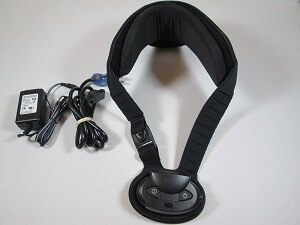
How Much Does an Orthofix Bone Stimulator Cost?
Last Updated on October 6, 2025 | Prices Last Reviewed for Freshness: January 2026
Written by Alec Pow – Economic & Pricing Investigator | Medical Review by Sarah Nguyen, MD
Educational content; not medical advice. Prices are typical estimates and may exclude insurance benefits; confirm with a licensed clinician and your insurer.
The Orthofix Bone Stimulator devices, prescribed to help hard-to-heal fractures or to support spinal fusion, live in the gray zone between a medical purchase and durable medical equipment. Your total shifts with model, site of purchase, insurance status, and small add-ons that appear after the first quote. This guide shows realistic retail and cash numbers, what insurers usually allow, and how to trim the out-of-pocket share.
Orthofix sells several bone growth stimulator lines. SpinalStim and CervicalStim are prescribed around spinal fusion or failed fusions. PhysioStim targets difficult long-bone nonunions. AccelStim offers a more compact PEMF option for fracture healing. The company publishes clinical indications on its product pages, and the FDA lists these devices under noninvasive osteogenesis stimulators cleared or approved for defined uses. Price comes next, but coverage rules matter just as much when you plan your spend.
You will see national retail and clinic cash prices below, plus Medicare policy anchors that explain why insurers approve some requests and deny others. The ranges reflect real storefronts and suppliers selling Orthofix units today, along with coverage bulletins from Medicare and major payers that shape the final invoice. Ask for itemization. It helps.
Article Highlights
Jump to sections
- Real storefronts list Orthofix units from $2,500 clinic cash to $5,995 retail, with most quotes clustering in the $5,200–$5,995 band.
- Coverage hinges on HCPCS E0747 for non-spinal and E0748 for spinal, plus KF modifier and LCD documentation, which can turn a five-thousand retail ticket into a modest DME coinsurance.
- A worked cash total at a low-price clinic lands around $2,655–$2,705 after shipping and small accessories.
- Ultrasound competitor Exogen offers an adherence reward that reimburses $500 of out-of-pocket cost for eligible users.
- FDA listings confirm Orthofix devices as noninvasive osteogenesis stimulators for defined indications, which helps align prescriptions and coverage.
How Much Does an Orthofix Bone Stimulator Cost?
Retail prices for Orthofix bone growth stimulators sit in the mid to high four figures. In North America, multiple suppliers list Orthofix CervicalStim and SpinalStim near $5,200–$5,995 per unit, while a smaller number post lower clinic cash prices near $2,500 for either device. PhysioStim appears between $5,200 and $5,495 at several distributors. The spread reflects where you buy and which fee components are bundled.
Insurance can lower the member share when coverage criteria are met. Medicare and commercial plans classify noninvasive electrical osteogenesis stimulators under HCPCS E0747 for non-spinal and E0748 for spinal applications, and CMS explains these are DME items with specific documentation requirements in the Local Coverage Determination and policy article. UnitedHealthcare’s 2025 policy uses the same code split and clarifies coding for spine levels, which is why your prior authorization letter references E0747 or E0748 rather than a brand name.
Coverage rules influence price sensitivity. If your plan approves a unit for a documented nonunion or for high-risk fusion patients, your out-of-pocket typically follows the DME benefit after deductible. If coverage is denied, you face full retail or a clinic cash option, which explains the popularity of lower posted cash menus from medical suppliers serving orthopedic clinics. See Aetna’s clinical bulletin.
Real-Life Cost Examples
Approved spinal fusion case, suburban Midwest. A patient receives a prescription for Orthofix CervicalStim after multilevel cervical fusion at high risk of non-fusion. The supplier bills under E0748 and the plan approves. The retail on the supplier’s catalog shows $5,995, but the member responsibility lands near a typical DME coinsurance after deductible, so the out-of-pocket is $600–$1,200 depending on plan design, with no separate programming fees. The supplier’s posted price is a ceiling, not the member spend.
Cash purchase, spine adjunct. In Dallas, a clinic storefront lists Orthofix SpinalStim at $2,500. A self-pay patient chooses that option after an insurance denial tied to documentation timing. The clinic includes charger, strap, and instructions in the price and ships the unit the same week. This sits at the bottom of the U.S. price band but is a legitimate published cash route.
Long-bone nonunion, mixed funding. A patient with a tibial nonunion is prescribed PhysioStim. One regional distributor posts $5,200–$5,531 for comparable small or long-bone PEMF units. Medicare policies cover non-spinal electrical stimulators when strict criteria are met, including documented lack of healing over 90 days on radiographs, which the orthopedic team provides. The member has a Medigap plan, so incremental coinsurance is minimal after approval.
You might also like our articles about the cost of bone growth stimulators, bone density scans, or Exogen bone healing systems.
Worked all-in total, denied claim turned cash. If you buy a SpinalStim at $2,500, add shipping of $25–$45, a spare strap at $30–$60, and a brief telehealth fitting or education fee at $50–$100 if billed separately. Your realistic out-the-door number lands near $2,655–$2,705, which matches what cash patients report at lower-priced storefronts that bundle the basics.
Cost Breakdown
You pay for the device, the know-how around it, and small logistics. The base device price dominates, especially when a supplier posts a retail ticket close to six thousand. Professional input appears as prescription and follow-up visits within your surgical or orthopedic care. Setup can be as simple as a short fitting, education on the STIM onTrack app, and a compliance check. Accessories are modest, yet they add up.
Hidden costs are small but common. Expect shipping $25–$45, lost or extra straps $30–$60, a charger or power supply replacement $40–$80, and a no-show or reschedule fee $25–$50 from busy surgical clinics. None of these change the medical indication, yet they alter the final invoice that hits your card.
One more structural layer matters. Medicare’s DME MACs require specific modifiers for these Class III devices, including KF on E0747 and E0748 claim lines, and the LCD sets coverage criteria for spinal and non-spinal uses. When suppliers get the coding wrong, claims bounce back and patients see avoidable delays, which is why the policy identifiers in your estimate matter as much as the sticker price. See the Noridian overview for osteogenesis stimulators.
Factors Influencing the Cost
Model and indication. Orthofix sells devices aimed at spine and long bones. CervicalStim is FDA approved as an adjunct for cervical fusion in high-risk patients, and SpinalStim covers lumbar and other spinal applications including salvage of failed fusions. PhysioStim targets difficult fracture nonunions. Approved indication drives coding and coverage, which drives your net cost.
Supplier type and bundling. A hospital-aligned DME desk might quote near $5,200–$5,995 because it bills full retail, then reconciles with insurance. Independent distributors sometimes publish $2,500 cash menus for the same brand, bundling consumables and teaching time to keep the offer simple for uninsured or denied cases. Both approaches exist in the same city, which is why shopping matters.
Coverage policy and documentation. Local Coverage Determinations require radiographic proof of nonunion or specific spinal risk factors before approval. Aetna’s clinical bulletin lays out similar rules and clarifies when ultrasonic devices like Exogen are considered versus electrical PEMF units. The more complete your chart, the less friction on approval and price.
Market forces. Orthofix reports product portfolio details in public filings, and analysts describe a growing bone growth stimulator market, which supports ongoing price stability even as competitors add options. Policies and app-based adherence platforms like STIM onTrack show up in launch notes and investor language, which tend to justify premium tiers.
Here is one long sentence you can keep on hand for benefit calls, because it squeezes the economics and the admin into a single breath that still reads like a plan: ask your supplier to quote the exact model, the HCPCS code and modifier, the retail, the plan allowed amount, and your projected member share so you can compare real numbers.
Alternative Products or Services
Other bone stimulation brands and modes. Ultrasound stimulators like Bioventus Exogen are often positioned for long-bone delayed unions and nonunions under separate coverage criteria, and the manufacturer runs an adherence program that reimburses up to $500 of out-of-pocket costs for eligible patients who meet milestones. Marketplaces and resale platforms show a wide secondary-market spread, which is not a surrogate for prescription pricing but hints at lower acquisition costs in some channels.
Conventional orthopedic care. Many fractures heal with standard care, and surgical revision is reserved for true nonunions or hardware problems. Peer-reviewed summaries describe stimulators as a safe, noninvasive option that can reduce escalation to surgery in certain nonunion cases, which means the device cost offsets downstream hospital bills when used appropriately. Your surgeon’s indication drives this choice more than price alone.
Internal or implanted options. Internal stimulators live in a different category with surgical placement and much higher totals. Public estimates and clinic write-ups place these devices far above external PEMF or ultrasound units because operating room time, anesthesia, and hardware add to the ticket. Most patients prescribed Orthofix external units will never touch the implanted tier, which keeps their budget in the four-figure range.
Ways to Spend Less
Ask for a written estimate that separates retail, allowed amount, and your projected member share under the DME benefit. Request the exact HCPCS code and KF modifier on the quote so you can cross-check coverage rules from your plan and the Medicare LCD. Get pre-authorization early.
If insurance denies coverage for missing documentation, see whether your orthopedic team can close the gap with the required radiographs and a clear nonunion narrative, then resubmit. If a resubmission is unlikely, compare suppliers that publish cash menus, including the $2,500 class, and ask what accessories and shipping are included so the invoice does not creep after you pay. Some distributors will match a reputable posted price.
Look for manufacturer assistance and clinic financing. Orthofix highlights adherence tools through its STIM onTrack ecosystem while third-party suppliers control retail offers, and competitors like Exogen run small reimbursement programs that shave $500 from a patient’s out-of-pocket with proof of use. Timing matters because device availability and policy updates move quarter to quarter.
One-page comparison
| Device or path | Typical retail or cash price | Setting and notes |
| Orthofix SpinalStim or CervicalStim | $5,200–$5,995 retail at distributors | Retail ticket often billed to insurance under E0748 for spine cases. |
| Orthofix SpinalStim or CervicalStim | $2,500 clinic cash menu | Published storefront price for self-pay or denied claims, accessories usually bundled. |
| Orthofix PhysioStim | $5,200–$5,531 distributor listings | Used for long-bone nonunions, commonly billed under E0747. |
| Exogen ultrasound alternative | Device OOP reduced by $500 with adherence program | Separate indication and coverage criteria; manufacturer program offsets patient cost. |
Answers to Common Questions
How much does an Orthofix bone stimulator cost without insurance?
Published cash menus show $2,500 for SpinalStim or CervicalStim at some clinic storefronts, while many distributors list $5,200–$5,995 retail for spine and $5,200–$5,531 for PhysioStim.
Which HCPCS codes apply to these devices?
E0747 is non-spinal electrical osteogenesis stimulation and E0748 is spinal electrical osteogenesis stimulation, both billed with KF modifier as Class III devices.
Will Medicare cover a bone growth stimulator for a fracture?
Yes when criteria are met, including documented nonunion over at least 90 days with radiographs and a physician interpretation, as described in the LCD and policy article.
Are there lower-cost alternatives?
Ultrasound stimulators like Exogen have different indications and can reduce out-of-pocket via a small adherence program.
Do I need a prescription to buy one?
Yes. Orthofix devices are prescription DME, and suppliers require documentation aligned with payer criteria before billing or shipping.
Prices and policies verified as of October 2025. Request an itemized estimate with model, HCPCS code, modifier, retail, allowed amount, and projected member share before you order.

Leave a Reply
Want to join the discussion?Feel free to contribute!
People's Price
No prices given by community members Share your price estimate
How we calculate
We include approved comments that share a price. Extremely low/high outliers may be trimmed automatically to provide more accurate averages.