How Much Does a Lottery Ticket Cost?
Updated on | Written by Alec Pow
This article was researched using 6 sources. See our methodology and corrections policy.
A lottery ticket in the United States usually costs $1 to $5 for a draw game, while scratch-off tickets usually cost $1 to $50 and can reach $100 in some states. The biggest current change is Mega Millions, which now costs $5 per play with the multiplier included. Powerball still starts at $2 per play, with optional add-ons that can raise the ticket to $3 or $4 where available.
The ticket price does not rise when the jackpot rises. A $2 Powerball ticket costs the same whether the jackpot is $40 million or over $1 billion. The same rule applies to Mega Millions, state lotto games, Pick 3, Pick 4, Cash 5, and scratch-off games. The price is set by the game rules, not by the size of the headline prize.
Lottery costs are built around the game type, number of plays, add-ons, ticket price point, retailer or app access, state rules, and taxes if the ticket wins. A person buying one Powerball line spends $2. A person buying Mega Millions with five different number lines spends $25. A person buying three $20 scratch-offs spends $60 before any draw even happens.
Article Highlights
Jump to sections
- Powerball: A standard Powerball play costs $2, Power Play adds $1, and Double Play adds another $1 where offered.
- Mega Millions: Mega Millions tickets cost $5 per play, with the multiplier now included in the base ticket price.
- State draw games: Local lotto, Cash 5, Pick 3, Pick 4, and similar games often cost $0.50 to $3 per play.
- Scratch-offs: Instant tickets usually cost $1 to $50 (at $30 per hour, earning that amount would take about 0 to 1.7 hours of work, before taxes), with some premium state games priced at $100.
- Winning is taxable: The IRS says lottery winnings are taxable gambling income, even when the payer does not issue a Form W-2G.

Lottery Ticket Cost By Game Type
The most useful way to price lottery tickets is by game type. National jackpot games have fixed base prices across participating lotteries, while state games use their own rules. Mega Millions now costs $5 per play, with five white balls from 1 to 70 and one gold Mega Ball from 1 to 24. Powerball tickets are still reported at $2 per play, with Power Play available for another $1.
Scratch-off tickets work by price point. A state may sell $1, $2, $5, $10 (about 20 minutes at $30 per hour), $20, $30, or $50 instant games at the same time. Texas is the high-end outlier, with scratch tickets described as ranging from $1 to $100 in lottery coverage of its game lineup.
| Lottery ticket type | Typical cost | What changes the total |
|---|---|---|
| Powerball base play | $2 | One line of numbers for the main drawing |
| Powerball with Power Play | $3 | Power Play adds $1 and can multiply non-jackpot prizes |
| Powerball with Power Play and Double Play | $4 | Both add-ons raise the ticket price where Double Play is sold |
| Mega Millions | $5 | Multiplier is included in the base play |
| State lotto or Cash 5-style game | $1 to $3 | State rules, add-ons, and number of lines |
| Pick 3, Pick 4, daily numbers, or keno-style games | $0.50 to $5+ | Wager amount, play type, number of draws, and add-ons |
| Scratch-off or instant ticket | $1 to $50, sometimes $100 | Ticket price point, top prize, odds, and state game design |
A small ticket purchase can grow quickly when several lines are added. Five Powerball lines cost $10 at the base price. Five Powerball lines with Power Play cost $15. Five Mega Millions lines cost $25. Buying one $30 scratch-off costs more than a full five-line Mega Millions ticket.
What A Lottery Ticket Buys
A lottery ticket is a state-regulated gambling product. It buys entry into a drawing, instant game, or number game under rules set by the lottery that sells it. A draw ticket may be printed at a retailer, bought through an official state lottery app where legal, or purchased through a permitted courier service in some markets. A scratch-off ticket is printed before sale, and the result is fixed when the player scratches it.
The ticket is not an investment and does not become more valuable just because the jackpot grows. Its expected payout is still governed by odds, prize structure, claim rules, tax rules, and the share of ticket sales returned as prizes. The product is cheap because the odds of the largest prizes are extremely low.
Lottery games are not the same as bingo or arcade entertainment. A page on bingo ticket prices covers a group-play game with its own venue and prize structure, while arcade machine pricing is about equipment rather than wagering. Lottery tickets sit under state gambling rules, age rules, and prize-claim deadlines.
Powerball Ticket Price And Add-Ons
Powerball is the lower-cost national jackpot ticket. A base play costs $2. Power Play adds $1 and can multiply non-jackpot prizes. Double Play, sold in some jurisdictions, adds another $1 and gives the same numbers a second drawing with a separate prize table. That means a Powerball ticket can cost $2, $3, or $4 depending on add-ons.
Powerball uses five white numbers from 1 to 69 and one red Powerball number from 1 to 26. Drawings are held Monday, Wednesday, and Saturday at 10:59 p.m. Eastern Time. Ticket purchase deadlines vary by state, so a store may stop sales well before the national drawing time.
The add-on math is easy. One base Powerball line costs $2. Adding Power Play raises it to $3, a 50% increase. Adding both Power Play and Double Play raises it to $4, which doubles the base cost. The add-ons can raise lower-tier prizes, but they do not improve the chance of hitting the main jackpot.
Mega Millions Ticket Price
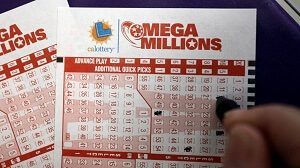
Mega Millions is now the more expensive national jackpot ticket. The official Mega Millions game page says tickets cost $5 per play and that a multiplier is included in the ticket. The same page lists the jackpot odds at 1 in 290,472,336, with non-jackpot prizes starting at $10 (about 20 minutes at $30 per hour) before multiplier effects.
This is the main update missing from older lottery-cost articles. Mega Millions used to cost $2, with a separate Megaplier add-on in most jurisdictions. That old framing is now stale. A reader asking the ticket price today needs to see $5 first, not a long state table built around older game prices.
The cost change also affects casual buyers. One Mega Millions play now costs the same as two and a half Powerball base plays. A group buying ten Mega Millions lines spends $50. The same ten lines would have cost $20 under the old $2 model.
Scratch-Off Ticket Prices
Scratch-off tickets, also called instant tickets, do not have one standard price. A state lottery may sell many games at once, each with its own price, top prize, remaining prizes, printed odds, and end date. Lower-priced tickets usually have smaller top prizes. Higher-priced tickets often advertise larger prizes, more play areas, or better stated odds, but they still carry a built-in loss risk.
Recent Connecticut Lottery reporting shows the range in practice: one winner bought a $5 scratch-off tied to a $100,000 top prize, while another won from a $30 scratch-off tied to a $500,000 game. Those are individual state games, not national prices.
A player comparing scratch-offs should read the back of the ticket or the state lottery game page before buying. The useful details are ticket cost, top prize, odds of winning any prize, odds of winning the top prize, prizes remaining, game close date, and claim deadline. A $20 ticket is not better just because it costs more. It may have a larger top prize, but the risk is also larger.
State Lotto, Daily Games
State lotteries sell local draw games that can be cheaper than national jackpot games. New York Lotto, Cash 5, Take 5, Pick 3, Pick 4, Lotto Texas, Fantasy 5, Jersey Cash 5, and similar games are priced under each state’s rules. Many cost $1 or $2 for a base play, and some daily games let the player choose a lower or higher wager amount.
These games can have better odds than Powerball or Mega Millions, but the prize is usually smaller. That tradeoff is the key cost point. A state Cash 5 game may cost less and have a lower top prize. A national jackpot game costs more per line and has much longer jackpot odds, but it creates the huge advertised jackpot.
Online and courier purchases need a separate check. Some states sell tickets through official lottery platforms. Some allow courier-style services that buy physical tickets for the customer. Service fees, account rules, withdrawal rules, deposit methods, and state availability can change the real cost of a ticket. If a $5 Mega Millions ticket carries a $1 service fee, the buyer is spending $6 for that play.
Taxes, Cash Option
The ticket price is not the only financial issue. If a ticket wins, taxes and payout choice matter. The IRS says gambling winnings are fully taxable, including winnings from lotteries, raffles, sports betting, horse races, and casinos, in its gambling income rules. The IRS also says winners must report gambling income even when it is not reported on a Form W-2G.
Large jackpot winners usually choose between an annuity and a cash option. The annuity pays over many years. The cash option pays a lower lump sum before taxes. Mega Millions says its annuity is one immediate payment followed by 29 annual payments, with each payment 5% larger than the one before it on its game page. Powerball uses a similar advertised annuity structure.
A smaller prize can also shrink after withholding. If a lottery withholds federal tax at claim time, the withheld amount is not always the final tax owed. State and local taxes may apply too. Winners should keep the ticket, claim forms, W-2G, receipts, and any records of group ownership before splitting money with other people.
Lower-Cost Play And Risk Control
The safest cost control is deciding the budget before buying. A person who wants to spend $10 can buy five Powerball base plays, two Mega Millions plays, ten $1 state plays, or one $10 scratch-off. Those choices have different odds and prize structures, but the spending limit stays the same.
Lottery pools can reduce the cost per person, but they need written rules. The group should write down who paid, how many tickets were bought, which numbers or ticket images belong to the group, how small prizes are handled, and how a large prize would be claimed. A $100 pool split by ten people costs $10 each, but the claim process can become messy without proof.
Do not chase losses by moving from $2 tickets to $20 or $50 scratch-offs. If gambling stops feeling controlled, the National Council on Problem Gambling lists the National Problem Gambling Helpline at 1-800-MY-RESET and says the helpline connects people with local resources across all 50 states and U.S. territories.

Answers to Common Questions
How much does a lottery ticket cost?
Most lottery tickets cost $1 to $5 for draw games. Scratch-off tickets usually cost $1 to $50, with some premium state games reaching $100.
How much is a Powerball ticket?
A Powerball ticket costs $2 for one base play. Power Play adds $1, and Double Play adds another $1 where that feature is sold.
How much is a Mega Millions ticket?
A Mega Millions ticket costs $5 per play. The multiplier is now included in the ticket price.
How much do scratch-off tickets cost?
Scratch-off tickets usually cost $1, $2, $5, $10, $20, $30, or $50. Some states sell premium $100 instant tickets.
Does the lottery ticket price change with the jackpot?
No. The ticket price is set by the game rules. A Powerball ticket remains $2 at the base price even when the jackpot rises sharply.
Are lottery winnings taxed?
Yes. The IRS treats lottery winnings as taxable gambling income. Large wins may trigger Form W-2G and withholding, but smaller wins still need to be reported.
Can you buy lottery tickets online?
It depends on the state. Some lotteries allow official online play, while some markets use approved courier services. Fees and rules can change the real cost.
What is the cheapest lottery ticket?
The cheapest lottery tickets are often $1 state lotto, daily number, or scratch-off games. Some wager-style daily games may allow lower base bets depending on the state.
Disclosure: Educational content, not financial advice. Prices reflect public information as of the dates cited and can change. Confirm current rates, fees, taxes, and terms with official sources before purchasing. See our methodology and corrections policy.