
How Much Does Ombre Hair Cost?
Last Updated on January 31, 2024
Written by CPA Alec Pow | Content Reviewed by  CFA Alexander Popinker
Ombre hair coloring has become one of the most popular hair trends in recent years. With its gorgeous, graduated blend of hues, ombre creates dimension and adds visual interest to any hairstyle.
If you’re considering taking the ombre plunge, you’re probably wondering – how much does ombre hair cost? In this article, we’ll break down the typical price range and factors that influence the cost of achieving ombre color.
How Much Does Ombre Hair Cost?
The average price of ombre hair coloring at a salon ranges between $100 and $300. The exact cost depends on several variables, but this gives a rough estimate of what to expect. Professional ombre services don’t come cheap, but many feel it’s worth the investment for beautiful, head-turning hair color.
Yelp.com mentions that more time-consuming services, such as full highlights, balayage, or color correction, can range from $125 to $400.
What is Ombre Hair?
Ombre hair features dark roots that gradually transition into lighter ends, creating a chic, dimensional look. The color subtly shifts from root to tip for a soft, blended effect.
Ombre first emerged as a bold hair trend around 2010 and has remained popular into the 2020s. The ombre technique can be used on all hair lengths and textures to add subtle or dramatic color gradation.
Factors Influencing Ombre Hair Cost
Several factors affect the overall cost of ombre hair services:
Hair Length
Longer hair requires more time, expertise and dye to color, increasing the cost. Ombre for short hair may range from $100 to $150, while ombre for long hair often costs $200 to $300.
Color Complexity
More dramatic color shifts like platinum blonde ombre on dark hair require complicated techniques and special treatments to maintain integrity. This drives up the price. Simple ombre with closer starting and ending shades is easier to achieve.
Salon Location
Salons in major cities like New York and Los Angeles often charge more compared to salons in smaller towns. Location indicates overhead costs that impact pricing.
Experience Level of Colorist
Highly skilled, experienced colorists who create trendy looks charge more for services. Their expertise commands a premium. Recent beauty school grads often charge less.
Additional Treatments
Toning, gloss treatments, Olaplex, and other services done alongside ombre to enhance color and condition hair add to the bottom line.
Choosing the Right Salon and Stylist
To get fabulous ombre color and avoid damage, choosing the right salon and hair colorist is key.
- Look for experienced stylists skilled in balayage and ombre techniques. Many salons now specialize solely in hair coloring.
- Ask to see ombre portfolio photos to assess their work.
- Read online reviews. A skilled, seasoned colorist will have rave reviews praising their ombre work.
- Schedule a consultation first. This gives you a chance to meet the stylist and discuss your vision. Pay attention to how receptive they are to your ombre hair goals.
Doing the prep work increases the chances of ombre hair you love. An experienced colorist at a reputable salon is worth the investment.
Also read our articles about the cost of Balayage, hair highlights, and hair extensions.
The Ombre Coloring Process
Here is an overview of the standard ombre service steps:
- Consultation – The colorist will assess your hair’s condition, discuss your desires, and formulate a plan.
- Lightening – For dramatic ombre, they lighten the mid-lengths and ends first using bleach, leaving roots untouched.
- Color application – Using foils or balayage technique, the colorist paints on custom-blended dye in gradients, slowly shifting from roots to ends.
- Toner – Cool toners cancel brassiness and perfect the blend between hues.
- Blow dry and style – A blowout and styling complete the service.
- Aftercare guidance – The colorist will advise on aftercare like shampooing and conditioning to make your ombre last longer.
The entire ombre process can take 2 to 5 hours from start to finish depending on hair type and length. Come prepared to invest some time.
Maintenance and Upkeep Costs
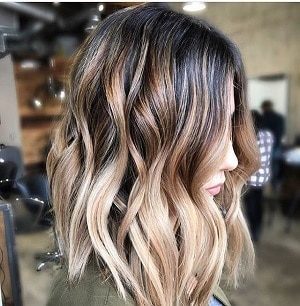 While gorgeous, ombre hair does require some maintenance. Here are factors that impact upkeep costs:
- Root touch-ups – As hair grows out, root color contrast becomes noticeable. Touch-ups every 4-6 weeks help roots blend seamlessly into ombre color. $60-100 per session is typical.
- Color refresh – The sun, water, heat styling, etc. cause ombre color to fade over time. A full redo every 3-4 months revives vibrancy. $150-300 per color refresh.
- Special shampoos – Sulfate-free shampoo and purple shampoo to preserve color last longer add $15-40 to monthly costs.
- Salon gloss treatments – These offer temporary color refresh between full appointments for $30-75 per service.
Regular touch-ups and care ensure your ombre hair retains its dimensional, head-turning look and lasts months. Proper maintenance is key.
Personalization and Customization
One of the best things about ombre is the ability to customize the look. The colorist will work with your natural texture, complexion, and style preferences to create one-of-a-kind ombre hair.
Here are some ways to personalize your ombre:
- Hue – Go for natural hues close to your current color or make a bold statement with vivid ombre like blue, purple, pink or red gradients.
- Level of contrast – Do you want subtle color transitions or high-impact ombre with stark contrasts? Determining contrast is key.
- Placement – Some prefer colour concentrated on mid-lengths and ends only. Others opt for an all-over ombre effect. Communicate placement preferences to the colorist.
- Transition lines – Do you want defined color lines or a soft, blurred ombre effect? Convey this to the stylist so they can tailor application.
Custom ombre requires the colorist’s artistry and expertise. This level of specialization may increase cost, but the results will have you standing out from the crowd.
Saving Tips on Ombre Hair Coloring
Ombre hair often exceeds the average hair coloring cost. Here are tips to save:
- Ask about discounts for first-time clients or weekday appointments when salons are less busy. This can shave $10-20 off the price.
- Book touch-up appointments on weekdays. Less demand means better deals.
- Extend the time between full ombre appointments by getting regular gloss treatments or doing at-home toner touch-ups.
- Use Groupon, Livingsocial, and salon deals sites to find discounted gift certificates for services at salons in your area.
- Buy professional hair products like Olaplex to use at home between salon visits. This stretches time between appointments.
- Consider a partial ombre look with color concentrated on lower halves and ends only. Less coverage can mean cost savings.
With some savvy scheduling and maintenance, you can rock trendy ombre hair while keeping within your beauty budget.
Conclusion
While not the most budget-friendly hair coloring option, ombre creates a dimensional, mermaid-hair effect you won’t get with standard highlighting techniques.
Investing in professional ombre services by an experienced stylist sets you up for head-turning, gorgeous color results. Factoring the ongoing maintenance costs into your beauty budget allows you to keep your custom ombre looking bold and beautiful month after month.
For trendy, salon-worthy hair color, ombre is undoubtedly a stunning option worth the splurge.
Frequently Asked Questions About Ombre Hair
Why is ombre hair so expensive?
Ombre hair is more expensive than traditional coloring because it is a complex, meticulous technique that requires a high level of artistry, specialty training, and experience from the colorist.
The hand-painted balayage method of applying color in customized gradients to lighten hair gradually takes time, skill and the right dye formulas to perfect. These factors mean ombre services demand a higher price.
How long does ombré last in your hair?
With proper maintenance like root touch-ups and occasional full-color refresh appointments, the ombré look can last 4-6 months in your hair before requiring full recoloring.
Individual factors like hair type, whether hair is heat-styled or sun-exposed, and adherence to aftercare impact longevity too. Using sulfate-free shampoo, purple shampoo toning, and gloss treatments can help ombré color last longer between salon visits.
Is ombré damaging?
Like all chemical hair coloring processes, ombré can be damaging if not done correctly. The lightening involved depletes moisture, so hair needs deep conditioning. To minimize damage, go to an experienced stylist who does ombré often.
Make sure they use Olaplex or similar bonding treatments during the lightening process to reduce breakage and keep hair healthy. Proper aftercare and limiting heat styling also reduces ombré damage.

Leave a Reply
Want to join the discussion?Feel free to contribute!