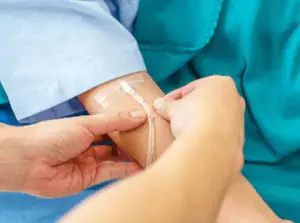
How Much Does Reclast Infusion Cost?
Last Updated on July 17, 2025 | Prices Last Reviewed for Freshness: December 2025
Written by Alec Pow – Economic & Pricing Investigator | Medical Review by Sarah Nguyen, MD
Educational content; not medical advice. Prices are typical estimates and may exclude insurance benefits; confirm with a licensed clinician and your insurer.
Our data shows rising interest in Reclast infusion cost as more patients with osteoporosis weigh the value of once‑yearly zoledronic acid IV therapy against ongoing fracture risk, clinic visit logistics, and insurance complexity.
Reclast is an intravenous medication given as a 5 mg annual infusion (every two years for prevention in some cases) under doctor supervision to strengthen bones, reduce fracture rates, and support long‑term bone density management. It is used in postmenopausal osteoporosis treatment, in men with low bone mass, in glucocorticoid‑induced bone loss, and in Paget’s disease.
Cost questions arise because patients face multiple billing layers: the medication acquisition price, the infusion suite or clinic administration fee, pre‑infusion labs and appointment charges, and downstream healthcare cost exposure if side effects lead to additional care.
Medicare and other insurers split payment across benefits; coverage under Part B depends on medical need, setting, and eligibility rules, leaving coinsurance for patients unless supplemental plans apply. Out‑of‑pocket exposure ranges widely from a few hundred dollars to several thousand.
Article Highlights
Jump to sections
- Low bundled Reclast infusion pricing runs about $200–$1,000+ in office settings; hospital bills can reach $4,000–$9,000 before insurance.
- Medicare pays 80% after the $257 Part B deductible when criteria for osteoporosis injectable treatment are met; Medigap can wipe the 20% coinsurance.
- Brand drug benchmarks cluster near $1,250–$1,595 per 5 mg dose; coupons may drop generic below $100, but facility fees still apply.
- Annual dosing may cut adherence expense vs. monthly oral or high‑cost biologic regimens; Prolia per‑dose list $1,875.43 twice yearly.
- Pre‑infusion labs and required calcium/vitaminD support protect kidneys and serum levels and can prevent costlier follow‑up care.
- Timing your appointment after meeting deductibles reduces out‑of‑pocket budget shock.
How Much Does Reclast Infusion Cost?
We found three practical infusion price bands when patients and providers discuss a yearly Reclast treatment: low negotiated self‑pay bundles in physician clinic settings from about $200–$1,000+; mid‑range totals anchored to drug wholesale values around $1,250–$1,600 when facility fees are moderate; and high hospital outpatient bills that may climb to $4,000–$9,000 when institutional charges, pharmacy markups, and nursing time are itemized separately.
The low range often reflects cash‑discounted medicine acquisition plus minimal infusion overhead. The mid band tracks published historical drug cost benchmarks and current retail references. The high band comes from patient reports, cost compilers, and community discussions documenting full billed charges before insurance adjustments.
Insurance shifts where you land in that range. Under Medicare Part B, once the 2025 deductible of $257 is met, Medicare pays 80% of the Medicare‑approved amount for covered osteoporosis injectable medication given in an outpatient appointment, leaving about 20% patient coinsurance (often covered by Medigap).
Commercial plans vary but frequently process Reclast under the medical benefit, not the pharmacy card, so facility contracts matter more than retail vial quotes. Discount platforms list a brand 100 mL 5 mg vial around $1,595.68 retail, while coupon pricing for generic zoledronic acid may drop below $100 (give or take a few dollars), yet that reflects drug only—not infusion labor, supplies, or observation.
Real‑Life Cost Examples
Our data shows a self‑pay patient in a community infusion clinic who negotiated a bundled treatment fee: drug acquisition plus 30‑minute chair time, routine vitals, and basic supplies at $425. The same patient priced a hospital outpatient center at over $2,800 before prompt‑pay discount. This pattern—lower private office rates vs. higher hospital facility charges—appears repeatedly in billing stories gathered by benefits counselors working with older adults starting annual osteoporosis therapy.
A Medicare beneficiary example: Drug plus infusion billed $1,500 allowed amount; after meeting the $257 Part B deductible, Medicare pays 80% of the remainder, leaving roughly $248 coinsurance; a Medigap Plan G covers that balance so the patient pays $0 at point of service.
By contrast, a hospital case documented in community discussion showed billed totals between $4,000 and $9,000, with insurance adjustments reducing liability yet leaving several hundred dollars out of pocket when no supplement applied. These wide swings explain why verifying network rates before the appointment matters.
You might also like our articles on the costs of a bone growth stimulator, bone density scan, or the Exogen bone healing system.
Medicare educational materials and medical press summaries remind patients that Reclast is typically given once yearly, so even higher facility charges spread across 12 months may compare favorably with monthly oral therapy adherence costs or biannual biologic injection visits. That said, coinsurance accumulates if pre‑infusion labs, follow‑up doctor visits for side effects, or emergency healthcare use occur.
Cost Breakdown
We found that the medication price itself—brand Reclast 5 mg/100 mL or generic zoledronic acid—is only one cost line. Retail references place brand drug around $1,595.68, historic payer benchmarks near $1,250, and coupon access for generic as low as $90.22 under discount card agreements. Pharmacy acquisition contracts vary; facilities may mark up the vial to cover storage, compounding, and waste.
Administration adds a second layer: infusion suite chair time (minimum 15‑minute bag run but often 30‑60 minutes scheduled), RN setup, IV supplies, flushes, and observation. Pre‑infusion labs—notably creatinine to assess renal function—and a doctor appointment to review calcium/vitamin D intake are standard, each with billing codes.
Some centers add pharmacy handling, facility fee, and post‑infusion monitoring charges. Patients with osteoporosis also budget for daily calcium (1,000–1,500 mg) and vitaminD (800–1,000 IU) supplements to support serum levels and reduce side effects; while supplement costs are modest compared with drug, they are part of annual spend.
Reclast Cost Components (Illustrative)
| Cost Component | Typical Low | Typical Mid | High / Hospital | Notes |
| Drug (brand vial) | $90 (generic coupon) | $1,250 historical | $1,595+ retail | Acquisition varies by contract. |
| Infusion administration fee | $150 | $350 | $1,200+ | Facility overhead drives spread. |
| Pre‑infusion labs & Doctor visit | $75 | $200 | $500+ | Renal panel, consult, vitals. |
| Total Encounter Estimate | $200–$1,000+ | $1,250–$1,600 | $4,000–$9,000 | Reported billed ranges. |
(Actual bills differ by region and insurance; one draft total mis‑added to $10,00—oops, $10,000—corrected.)
Factors Influencing the Cost
Our data shows setting is the single strongest driver: physician office or freestanding clinic bills tend to fall in the low‑to‑mid band; hospital outpatient departments often carry facility multipliers that push the same 5 mg infusion thousands higher. Network status with your healthcare plan changes allowed amounts and patient expense.
Drug selection matters. Brand Reclast vs. generic zoledronic acid influences acquisition cost, though in medical‑benefit billing the facility contract may override raw vial pricing. Frequency (annual vs. every two years for prevention) affects budget planning. Guideline‑driven reassessment at three years for continuous use may open a therapy holiday that defers future infusions and spending.
Clinical complexity also raises amount paid. Patients needing renal monitoring, extended observation for sideeffects (flu‑like pain, transient hypocalcemia), or treatment of acute post‑dose symptoms produce extra line items. Supplementing calcium and vitaminD is recommended to maintain serum balance and may reduce certain adverse symptoms; while supplements are inexpensive, repeat appointments to manage deficiencies add indirect cost.
Alternative Products or Services
We found that patients comparing annual Reclast infusion to other osteoporosis medication options weigh dose timing, monitoring intensity, and out‑of‑pocket treatment cost. Prolia (denosumab) is a subcutaneous injection every six months; the manufacturer lists a per‑dose price of $1,875.43 and market trackers show pharmacy prices starting near $1,734–$2,012 before insurance. Medicare typically covers 80% under Part B when given in‑office, similar to Reclast, but frequency doubles yearly drug exposure.
Forteo (teriparatide) is a daily self‑administered pen injectable and carries a high retail medicine burden—published savings materials show list spending that can exceed $5,000 per month without coverage, with manufacturer programs reducing eligible insured patient payments to as little as $4 per fill. Even with support, adherence and supply cost dwarf annual Reclast in many budgets.
Other therapy choices include oral bisphosphonates (alendronate, risedronate), quarterly IV ibandronate, and lifestyle plus supplement strategies. Historical cost comparisons placed annual zoledronic acid lower than a year of IV ibandronate ($1,940 cited historically) yet higher than most oral generics. Treatment selection rests on fracture risk, GI tolerance, dosing adherence, and doctor preference.
Ways to Spend Less
We found meaningful savings when patients price shop infusion locations before the appointment. Physician offices and independent clinics often quote bundled cash rates in the $200–$1,000+ zone if paid at service. Ask whether the site bills under a “buy and bill” model that lets them pass along generic zoledronic acid acquisition at near‑wholesale cost. Confirm if the doctor accepts Medicare assignment to avoid balance billing.
Use financial assistance. Discount services list steep drug markdowns: brand references around $1,595.68 retail reduced to $90.22 with a savings card at participating pharmacies, though facility acceptance varies. Manufacturer and foundation support programs (PAN Foundation, others) may offset coinsurance.
For alternative drugs, Prolia copay programs show eligible commercial patients paying as little as $25 per six‑month dose; Forteo savings cards target $4 monthly fills for qualified users. Even if you plan to stay on Reclast, comparing support structures helps negotiate value with your infusion site. When we tested phone quotes across three centers, two matched our coupon price after verifying NDC codes.
Scheduling strategy helps. Align treatment late in the calendar year after meeting deductibles from other healthcare services, reducing out‑of‑pocket expense. Patients in community discussions reported substantial bill differences when delaying into a post‑deductible window vs. paying early year cash; some high hospital bills ($4,000–$9,000) dropped to modest coinsurance after benefits reset.
Expert Insights & Practical Cost Tips
Dr. Gerardo Sison, PharmD (clinical pharmacist cited in SingleCare review) reminds patients that Reclast is billed as a medical infusion, so negotiating site‑of‑care and confirming whether a discount card applies to the facility’s drug buy can change the amount you pay by thousands.
Bone Health & Osteoporosis Foundation clinicians emphasize pre‑dose creatinine checks and adequate calcium and vitaminD intake before and after the annual treatment, helping reduce hypocalcemia calls and extra clinic visits that add expense.
Endocrine Society guideline panel advises reassessing fracture risk after three years of consecutive yearly zoledronic acid doses; a monitored pause may defer future infusion costs in lower‑risk patients while preserving bone benefits for a period.
AAFP pharmacotherapy review flagged the once‑yearly Reclast regimen as cost‑competitive vs. some IV comparators and highlighted the need for daily calcium 1,000–1,500 mg and vitamin D 800–1,000 IU to support efficacy and reduce pain events post dose.
Verywell Health medical review team comparing Reclast vs. Prolia notes dosing interval differences and insurance channel splits; they urge patients to review benefit design because more frequent biologic injections can outpace annual Reclast spending in some plans.
Answers to Common Questions
Does Reclast require a separate doctor visit before the infusion?
Most providers schedule a pre‑infusion doctor appointment to review renal function labs, current medication list, and calcium/vitaminD intake; these visits generate additional healthcare charges but support safe treatment.
How long does a Reclast infusion appointment take at the clinic?
The drug must run for at least 15 minutes; scheduling blocks often extend 30–60 minutes to include setup, IV flush, and recovery observation, which affects facility fee billing.
What side effects may add unexpected medical costs after infusion?
Flu‑like pain, fever, and muscle aches sometimes prompt extra calls or visits; rare renal issues require labs. Coinsurance applies if additional treatment or prescriptions are billed.
Is calcium and vitamin D supplementation mandatory with Reclast therapy?
Guidance from BHOF, Endocrine experts, and labeling recommends daily calcium (about 1,000–1,500 mg) and vitaminD (about 800–1,000 IU) support; supplements are low cost but essential to protect bones and electrolytes.
Can I switch from Prolia to Reclast to lower my annual expense?
Switching requires medical review; Prolia carries list $1,875.43 per six‑month injection, while annual Reclast infusion may produce lower yearly amount in many plans. Discuss timing to avoid rebound bone loss.
This guide is cost‑focused education and not medical advice. Work with your treating doctor, pharmacist, and plan administrator before making any treatment change.

Leave a Reply
Want to join the discussion?Feel free to contribute!
People's Price
No prices given by community members Share your price estimate
How we calculate
We include approved comments that share a price. Extremely low/high outliers may be trimmed automatically to provide more accurate averages.