
How Much Does a Yorkie Poo Cost?
Last Updated on March 5, 2024
Written by CPA Alec Pow | Content Reviewed by  CFA Alexander Popinker
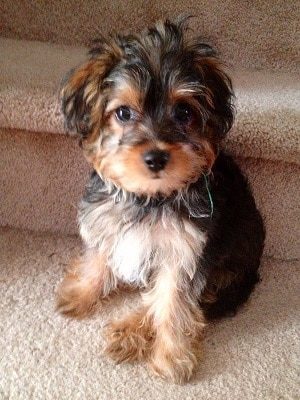
The Yorkie Poo – a designer hybrid cross between a Yorkshire Terrier and a Toy Poodle – has fast become one of the most popular and sought after mixed breed dogs thanks to their intelligence, playful nature, compact size, and hypoallergenic coats.
However, the combination of high pet market demand and intensive grooming care means Yorkie Poos also come with a relatively high price tag compared to other small dogs.
Highlights
- Purchase price from quality responsible breeders averages $500 – $3,000+ depending on factors like pedigree and region
- First year costs for supplies, vet care, training, grooming, etc. range around $1,500 – $2,500
- Annual costs over $1,000 continue for food, frequent professional grooming, medical expenses, and incidentals
- Proper planning, budgeting, and cost management from the start allows financially prepared owners to provide good care
How Much Does a Yorkie Poo Cost?
On average, you can expect to spend anywhere from $500 to $3,000+ when purchasing a Yorkie Poo puppy from a responsible breeder. Beyond just the initial buying costs, owners spend an estimated $1,000 to $2,000+ annually for food, medical expenses, professional grooming, supplies, and other essential care costs.
Being realistic and aware of these initial and ongoing ownership costs allows you to budget wisely and prepare financially before bringing one of these adorable pups home.
From reputable, responsible breeders, a Yorkie Poo puppy typically costs:
- Pet quality Yorkie Poos with limited registration: $500 – $1,000
- Show quality or breeder quality Yorkie Poos with full registration: $1,500 – $3,000+
Major factors that influence the final price range include the puppy’s age, generation pedigree, coat colors, and markings, conformation to the breed standard, overall health and temperament, breeder reputation and location, availability in your region, and general supply and demand trends.
Options like full AKC registration papers and breeding rights for the pup also add to the overall cost.
Adopted adult Yorkie Poos from local rescue organizations and shelters may cost much less – typically $50 to $500 depending on the shelter policies. However, these may be older dogs with unknown histories.
Doodledoods.com states that the average price for a Yorkie Poo in the US ranges between $1,000 and $5,000 when adopting from a reputable breeder. The higher price is often attributed to the quality and reputation of the breeder.
A-Z Animals mentions that the average cost of a Yorkie Poo purchased from a breeder typically falls between $800 and $2,500. Factors like coat color and unique traits can influence the price variation.
Oodle Life provides a price guide indicating that the average cost of a Yorkie Poo puppy ranges from $900 to $2,500, depending on the breeder or source of purchase, including local shelters.
First-Year Expenses for Yorkie Poo Owners
The first year is definitely the most expensive for new Yorkie Poo owners, as the upfront costs stack up quickly. You can expect to spend around $1,500 to $2,500 in the first 12 months on:
- Initial veterinarian health screening and vaccinations: $300 – $500
- Spay/neuter, microchipping: $100 – $300
- High-quality food and treats: $200 – $400
- Basic supplies like bowls, crate/carrier, collar: $200 – $400
- Professional grooming and supplies: $500 – $1,000
- Obedience training courses and socialization: $100 – $500
- Miscellaneous expenses and health issues: $200 – $1,000+
Proper ongoing socialization, training, exercise, high-quality nutrition, toys, and veterinary care are essential to help your Yorkie Poo puppy grow into a happy, healthy, and well-adjusted adult dog. Professional grooming is a big recurring expense for this mixed breed.
Annual Yorkie Poo Ownership Costs
For adult Yorkie Poos over age 1, expect roughly $1,000 to $2,000+ in average annual expenses for:
- High-quality food: $200 – $400
- Routine veterinary exams, vaccinations, and preventatives: $400 – $700
- Professional grooming every 4-8 weeks: $500 – $1,000+
- Toys and miscellaneous supplies: $200 – $400
- Obedience training and pet sitting/walking: $100 – $500
- Emergency medical costs and health issues: $200 – $1,000
Yorkie Poos are indoor companion dogs, so expenses are concentrated on providing for their health, grooming, training, and entertainment rather than outdoor housing and space. But all those haircuts certainly add up!
Also read about the cost of other dog breeds like the Goldendoodle, Pomeranian, Jack Russell Terrier
Smart Ways to Reduce Yorkie Poo Costs
Without compromising the care of your beloved Yorkie Poo, there are opportunities to control these pet costs:
- Buy pet food, medications, grooming tools, toys, beds, and other staple supplies in bulk online through retailers like Chewy for bigger discounts. Join loyalty programs.
- Brush and comb your Yorkie Poo’s coat thoroughly at home several times per week to help extend the time between professional grooming appointments.
- Use flea/tick/heartworm preventatives bought from your vet to avoid costly infestation and disease treatment down the line. An ounce of prevention is worth the upfront expense.
- Enroll your Yorkie Poo in an annual wellness plan with your veterinarian to save on exams, vaccines, and preventatives. Multi-pet plans can offer further discounts.
- Make homemade healthy food using your own ingredients to save substantially over buying commercial dog foods. Check with your vet first.
With smart financial strategies and savvy shopping, you can reduce your Yorkie Poo care expenses without ever skimping on things that contribute to your dog’s health and happiness. Every little bit of savings helps the budget!
Can You Afford Yorkie Poo Ownership?
 Before committing fully to bringing a Yorkie Poo puppy or rescue dog home, be sure to:
- Thoroughly research all costs and understand the commitment involved in providing for this breed’s significant needs
- Inquire about any health guarantees, certifications, or return policies offered by dog breeders in case issues arise
- Get pet insurance to cap unpredictable future veterinary costs and medical emergencies
- Create a realistic budget for supplies, food, grooming, training, etc. based on average Yorkie Poo owner expenditures and stick to it
- Financially prepare for both routine expected costs as well as emergency or unexpected pet expenses
Yorkie Poos make incredible companions for the right owners when properly cared for – but they do require an investment of both money and time. Be realistic about whether current costs and your lifestyle make it a good fit before falling in love with adorable puppy eyes!
Frequently Asked Questions
How Long Do Yorkie Poos Typically Live?
With proper ongoing care, nutrition, exercise, training, and veterinary attention, Yorkie Poos generally have an average lifespan of 10-15 years. Keeping up with health exams, vaccines, dental cleanings, preventatives, and high-quality food supports your Yorkie Poo’s longevity.
Do Yorkie Poos Tend to Bark a Lot?
Yorkie Poos can be vocal dogs that tend to bark frequently or habitually if the behavior is unwittingly encouraged. Starting proper behavioral training and providing adequate physical/mental exercise as a puppy can help curb nuisance barking tendencies.
Never reward unnecessary barking with attention. Instead, redirect their energy to obedience commands or toys.
Do Yorkie Poos Have a Strong Doggy Odor or Smell?
When groomed frequently every 4-8 weeks and brushed thoroughly at home several times per week, Yorkie Poos have minimal doggy odor issues overall thanks to their hybrid Poodle coat.
Regular baths, wiping face folds, brushing teeth, and cleaning ears minimizes any smell. But persistent odor or skin issues can signal an underlying health problem requiring veterinary attention.
Leave a Reply
Want to join the discussion?Feel free to contribute!